

Benedictine Abbey of Corvey
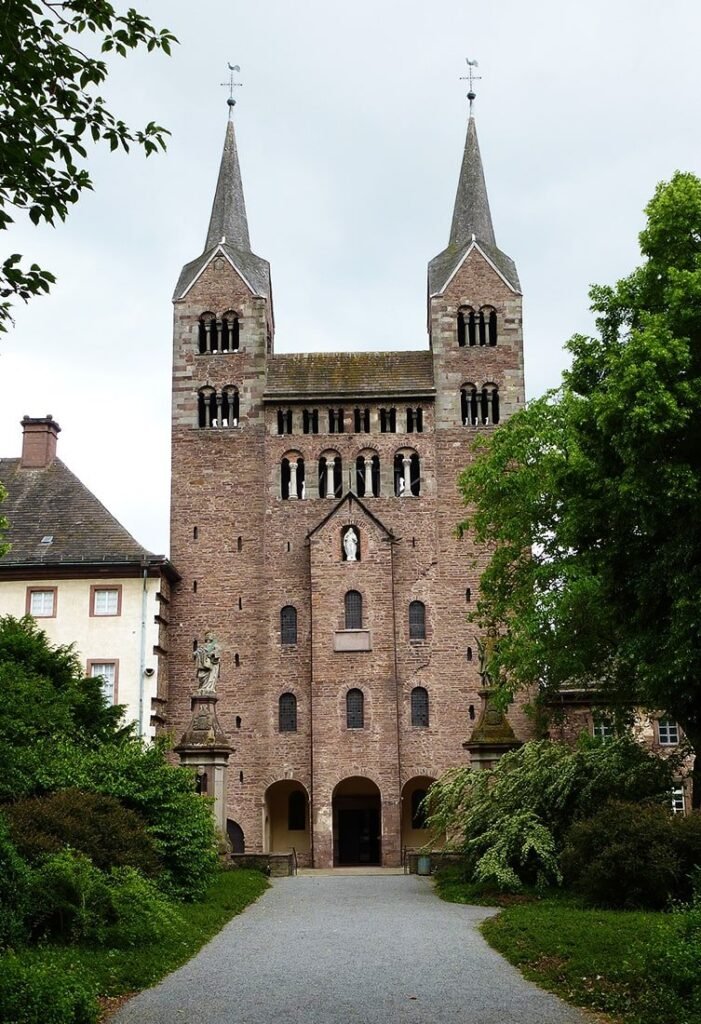
The Princely Abbey of Corvey is a former Benedictine abbey and ecclesiastical principality now in North Rhine-Westphalia, Germany. It was one of the half-dozen self-ruling princely abbeys of the Holy Roman Empire from the late Middle Ages until 1792 when Corvey was elevated to a prince-bishopric. Corvey, whose territory extended over a vast area, was […]
Niederaltaich Abbey
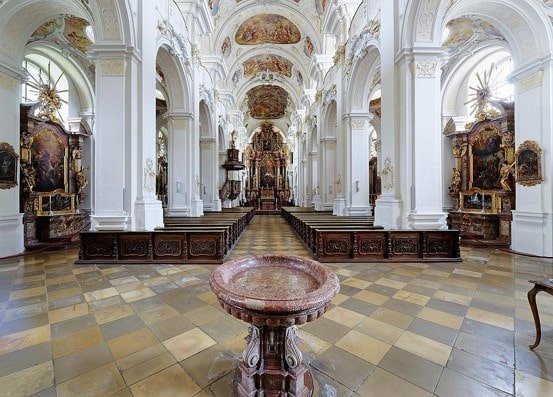
Bordered by the foothills of the Bavarian Forest and the banks of the Danube, the historic abbey of the municipality of Niederaltaich is already an attractive destination due to its natural surroundings alone. The Benedictine monastery of Niederaltaich, founded in 731 or 741 by Duke Odilo of Bavaria and settled by monks from the island […]
Tegernsee Abbey
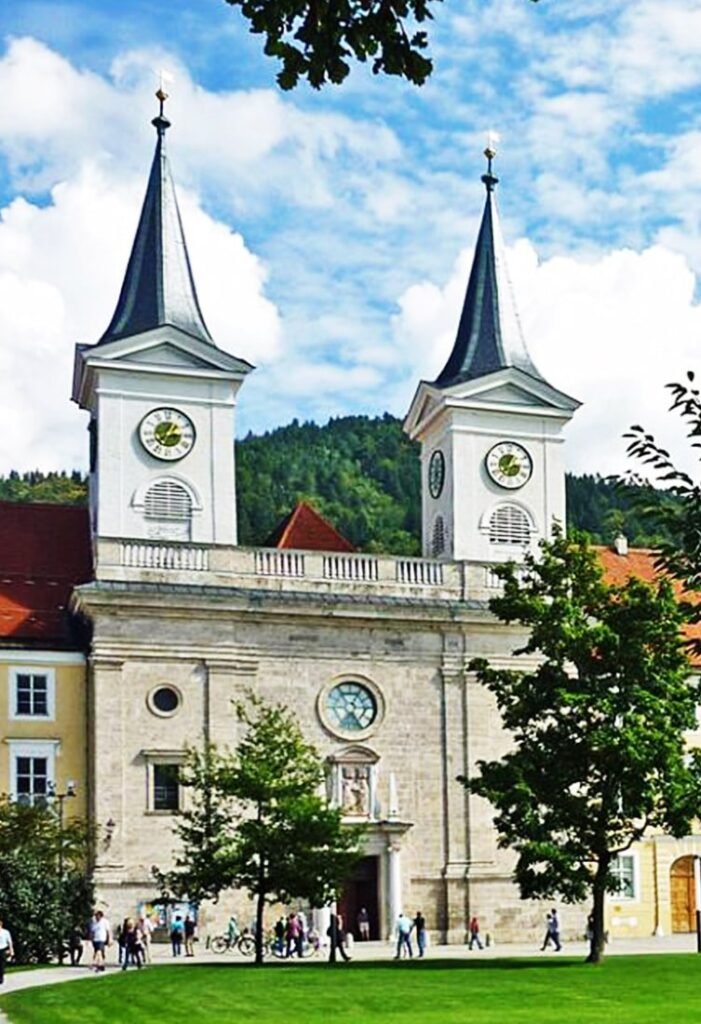
The abbey in Tegernsee is a former Benedictine monastery that is located directly on Lake Tegernsee. The abbey, like the town that grew out of it, is named after the lake, whose name can be translated from the Old German, tegarin seo, meaning large lake. Founded in the 8th century, the abbey represented one of […]
Kornelimünster Abbey
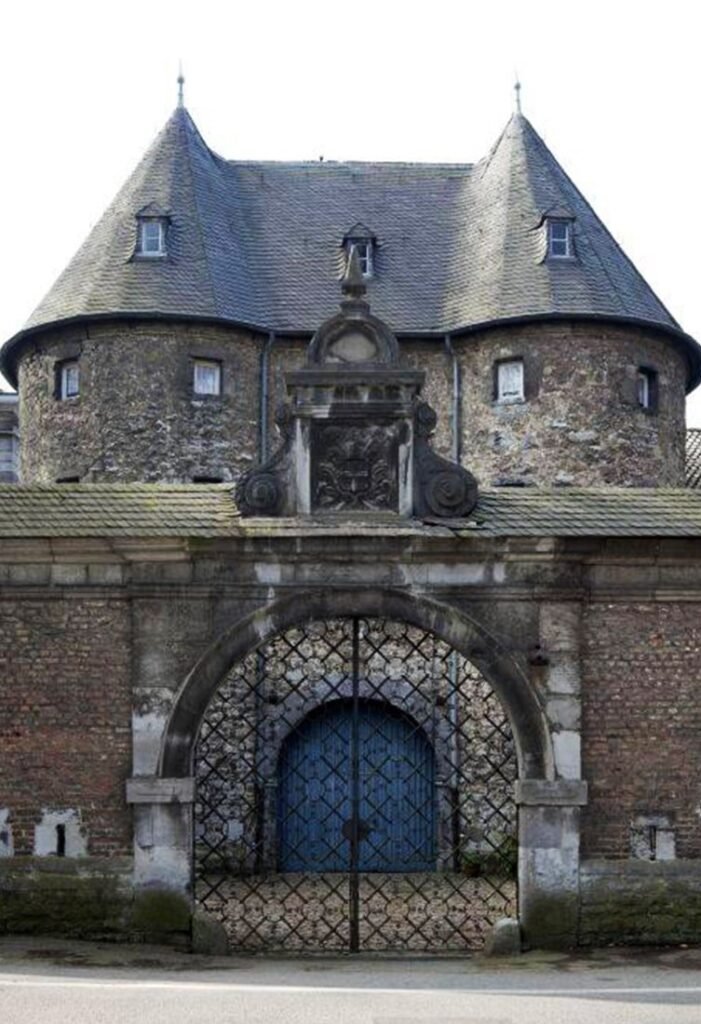
The Kornelimünster Abbey was founded in 814 on the Inde River by Benedict of Aniane (750–821), at the suggestion of Louis the Pious, son and successor of Charlemagne. The cloister was originally called Redeemer Cloister on the Inde (Erlöserkloster an der Inde). In the middle of the 9th century, the cloister was given imperial immediacy […]
Premonstraten Monastery Schäftlarn
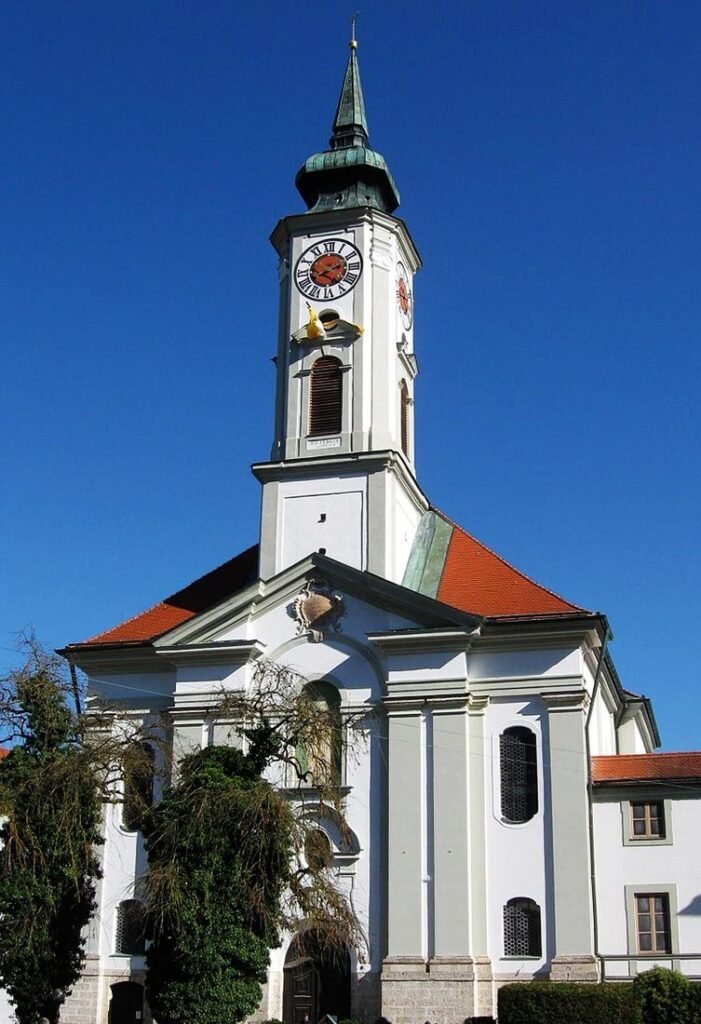
Schäftlarn Monastery, located on the Isar River, is one of the most original monasteries in Bavaria. Its status as the spiritual and cultural center of southern Munich is also due to the fact that it has been the only active monastery in the Munich district for over 1200 years. In 762 Waltrich, a Benedictine monk […]
Benedictine Abbey St. Salvator
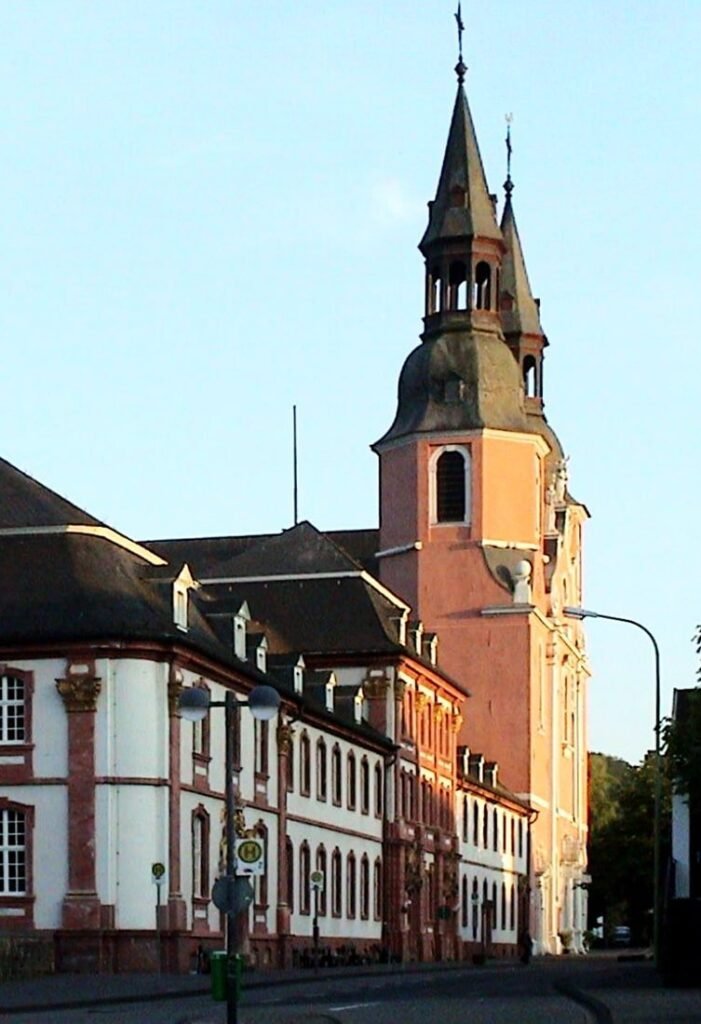
The Benedictine Abbey of St. Salvator is located in the middle of the inner city of the picturesque climatic health resort of Prüm in the Eifel-Ardennes. Its central location within the Frankish Empire brought the monastery the special favour of the Carolingian rulers and enabled it to develop into one of the most important early […]
Benedictine Monastery of Seligenstadt
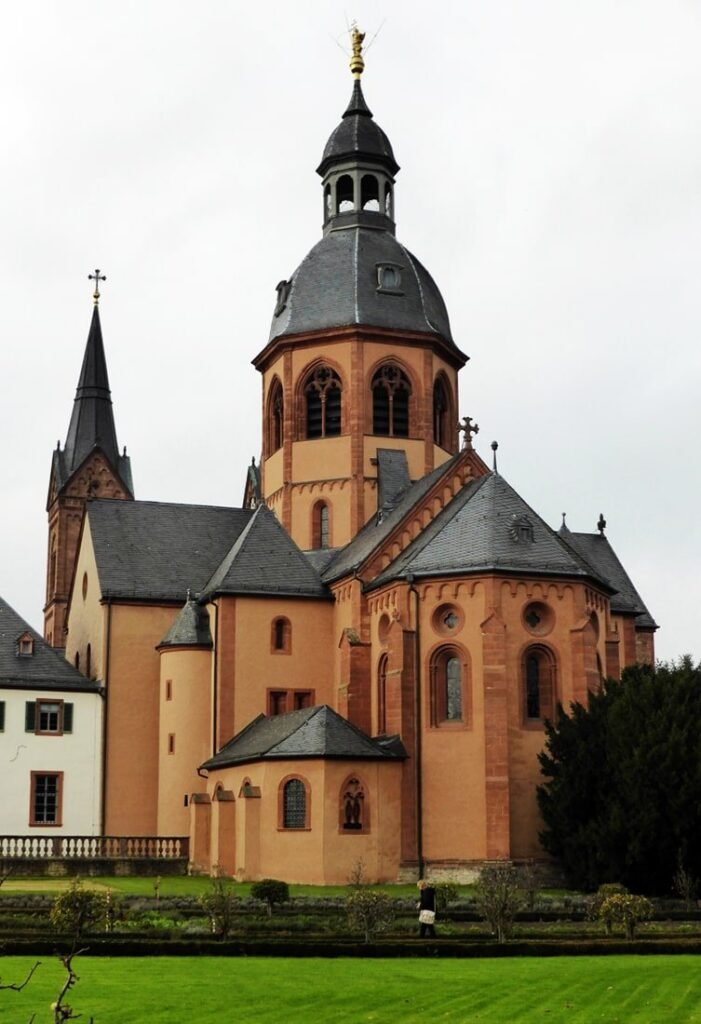
The monastery, founded in 828, is surrounded by a huge garden, which has been originally designed by the founder himself. In the middle ages this garden was used to produce plants for the population arround the monastery. The monastery consists of a main buildiung, which is divided into two parallel sections surrounding an inner court. […]
St. Peter Cathedral
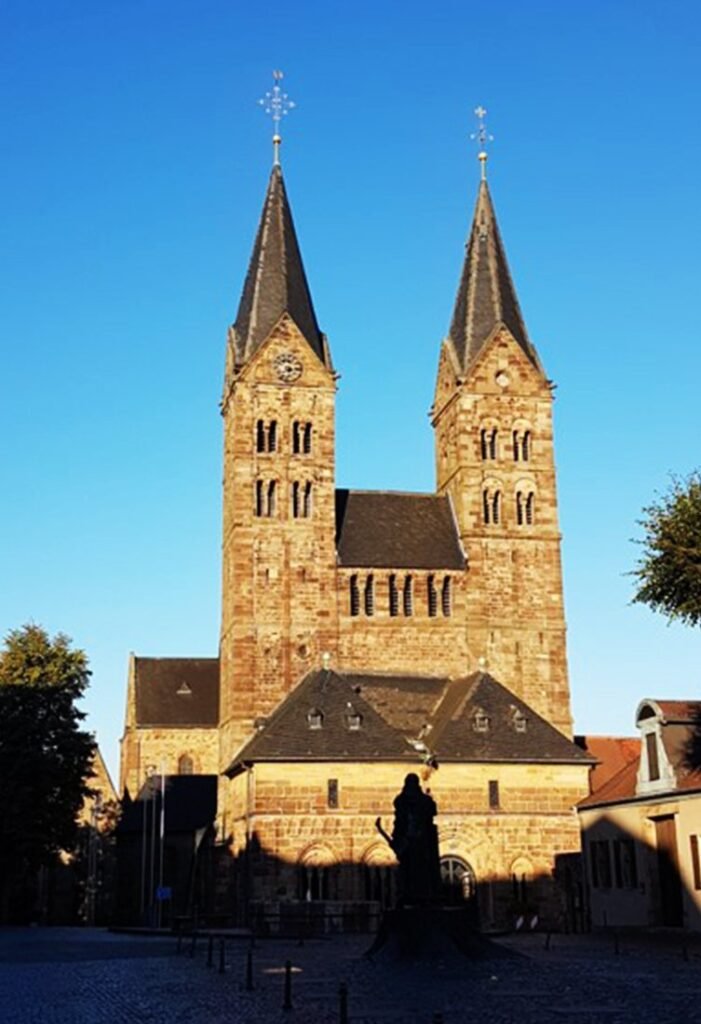
The Fritzlar Cathedral St. Peter is one of the most important architectural monuments in northern Hesse in terms of history and architecture. The history of the cathedral and the city of Fritzlar begins around 723, when St. Boniface founded a Benedictine monastery on that site. A few years later, around 732, a first stone church […]
Hirsau Abbey
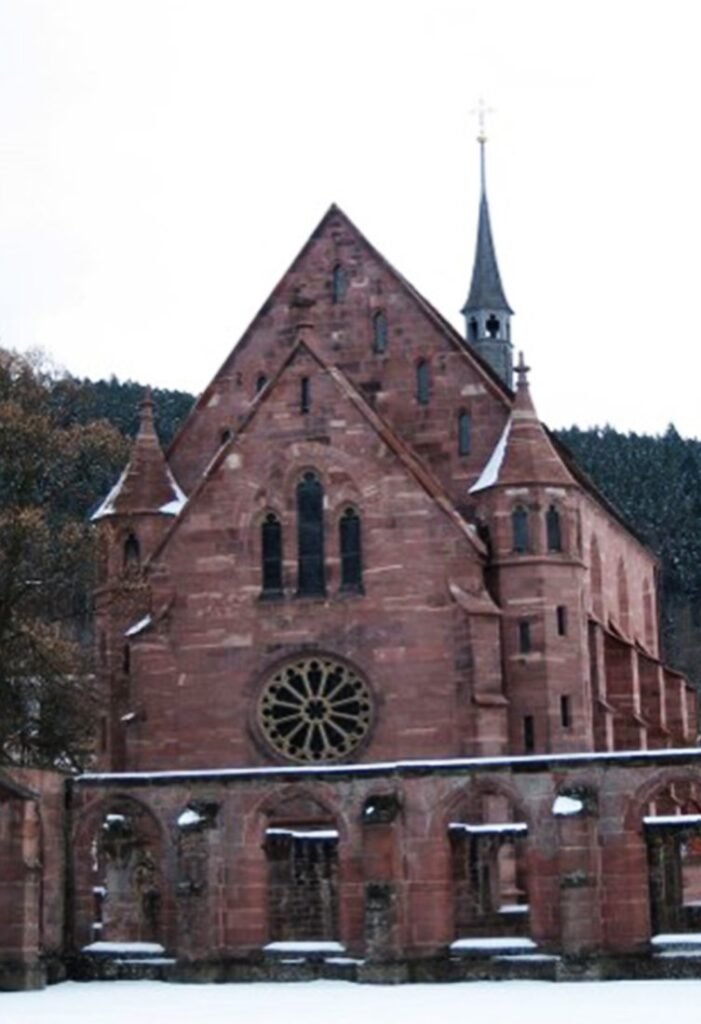
DESCRIPTION AND FORMAL ANALYSIS The history of Hirsau Abbey begins around the year 830, when Bishop Noting of Vercelli brought the bones of St. Aurelius to Hirsau. Erlafried of Calw, a relative of Bishop Noting who had possessions in the area, ordered the construction of St. Aurelius I in the form of a small hall […]
Lorsch Abbey
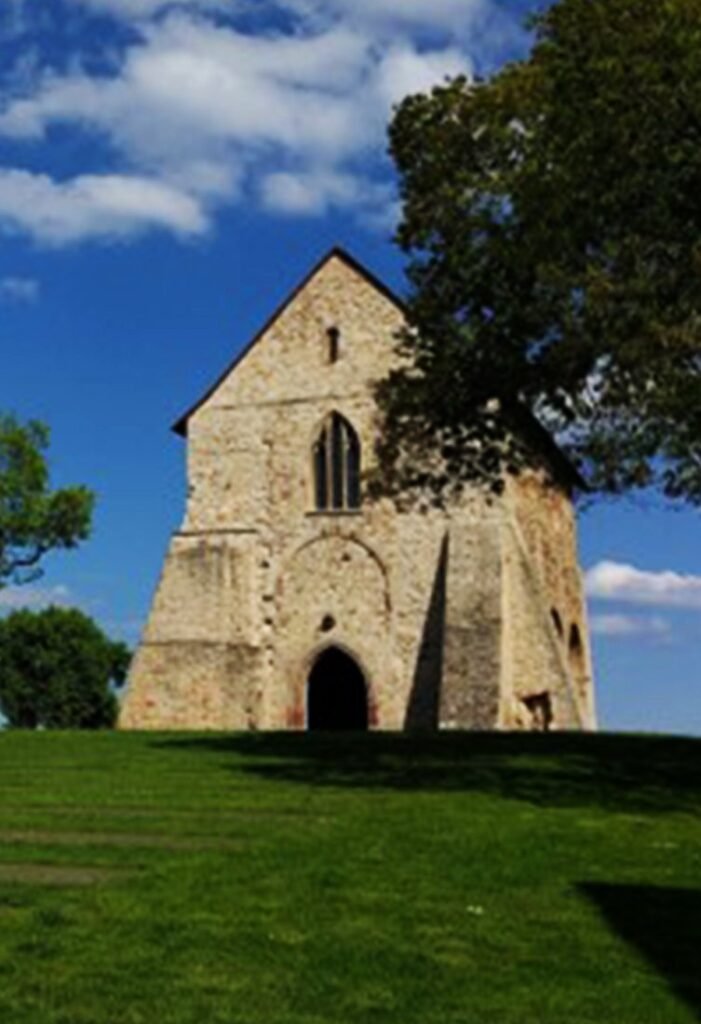
From the date it was originally founded in the Carolingian period up until the High Middle Ages, Lorsch Abbey was one of the most important cultural centres for the dissemination of the educational programme developed by the royal court. The abbey became famous for its scriptorium and comprehensive library, one of the largest and most […]