

Serdica
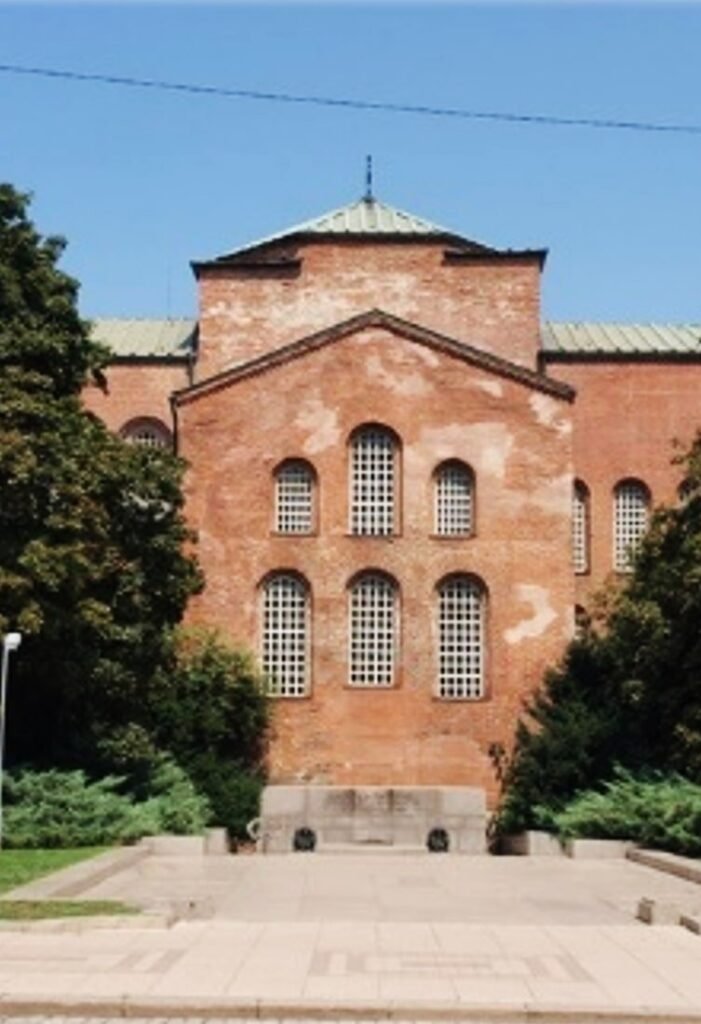
The birth of Serdica refers to the mid 1st century AD. It is likely that its foundation was connected with the annexation of the Thracian Kingdom of Rhoimetalkes III in 45 AD. The newly formed Roman province was named Thrace and submitted to the rule of a procurator. The archaeological evidence shows that the original […]
Novae Archaeological Site
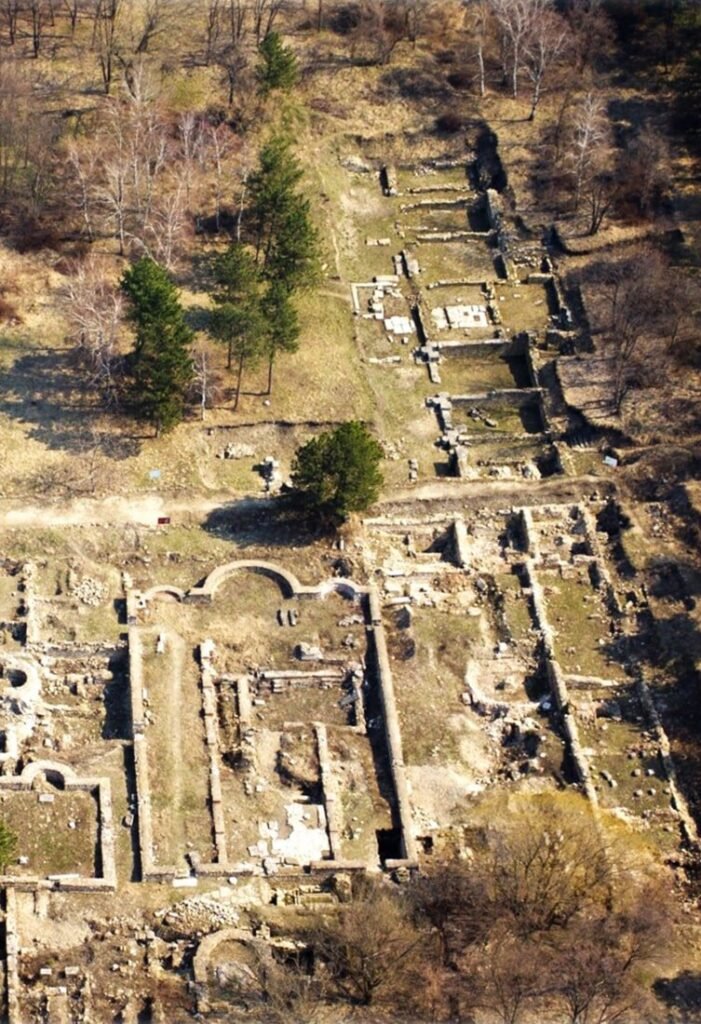
Novae is located next to the present-day town of Svishtov, on the banks of the Danube River. The archaeological research there began in the 1960s under the leadership of a Bulgarian-Polish team. It was originally organized as a military camp for the defense of the Limes along the Lower Danube. The Legio VIII Augusta was […]
National Architectural and Archaeological Reserve Durostorum
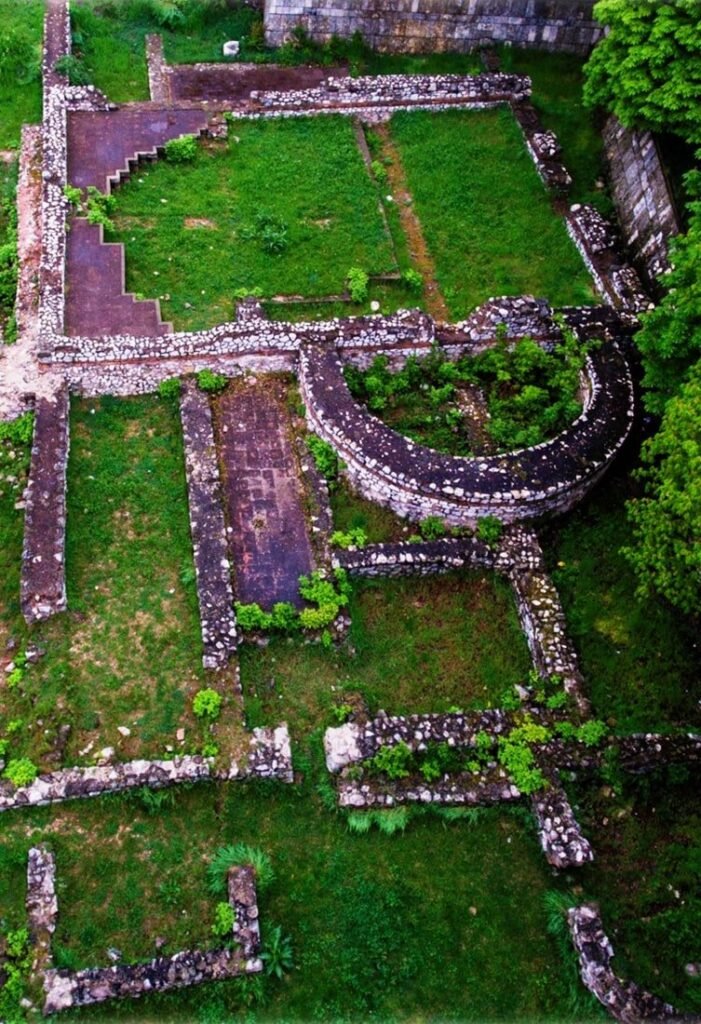
For the protection of the Lower Danube territories against the continuous raids of the Barbarians from the North, after the victory over the Dacians in 106 AD, one of the most capable military units of the Roman Empire was stationed there by order of Emperor Trajan (97 – 117) – Legio XI Claudia. According to […]
Archaeological site of Zaldapa
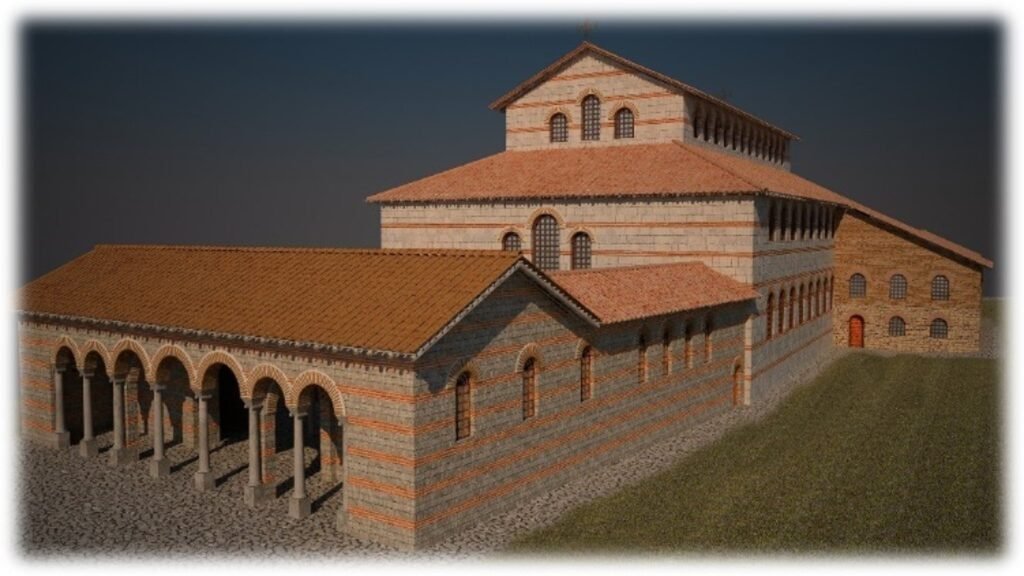
Zaldapa is the largest fortified Roman-Byzantine town in the interior of the Roman province of Scythia (Dobrudzha). The name Zaldapa itself (Zaldapa, Zeldepa, Zeldipas, Zardapa, Zelpa) is believed to be of a Thracian or Daco-Moesian origin and can literally be translated as «yellow (golden) cold (?) water / river (?)». Indeed, at the foot of […]
Marcianopolis
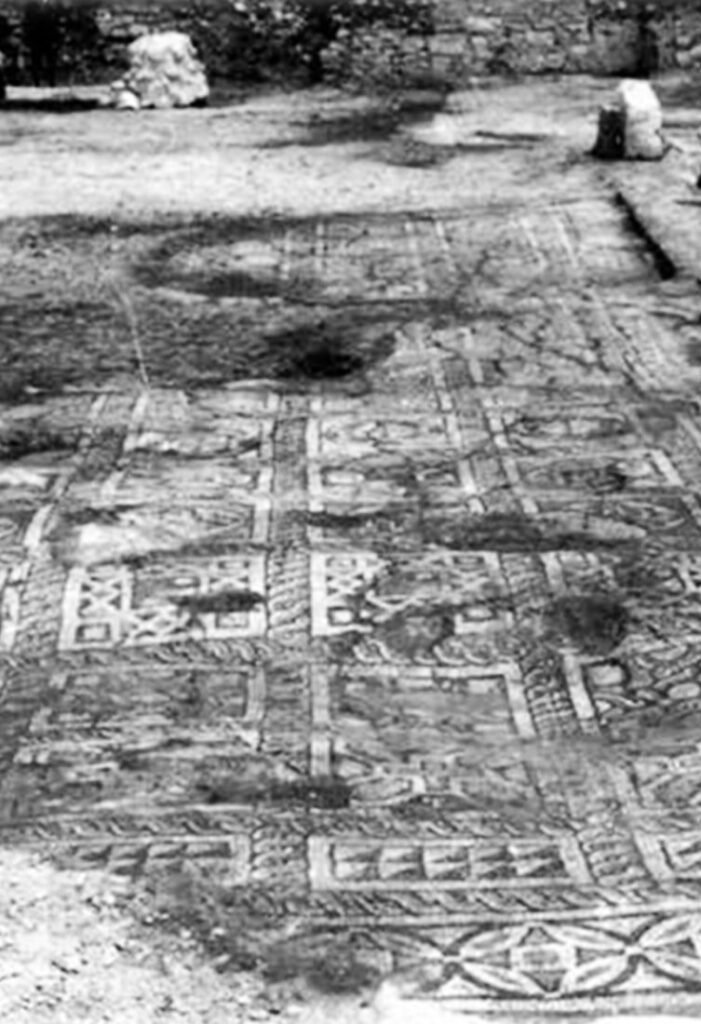
In 1829, the Russian archaeologist I. F. Blaramberg (1772–1831) identified the ruins near the springs of Reka Devnya village as Marcianopolis, a town well known from the ancient written sources. Later on, Hungarian ethnographer Felix Kanitz (1882), Czech historian Konstantin Jireček (1888) and Austrian epigrapher Ernst Kalinka (1906) also wrote about the town. The initial […]
Saint Panteleimon Monastery
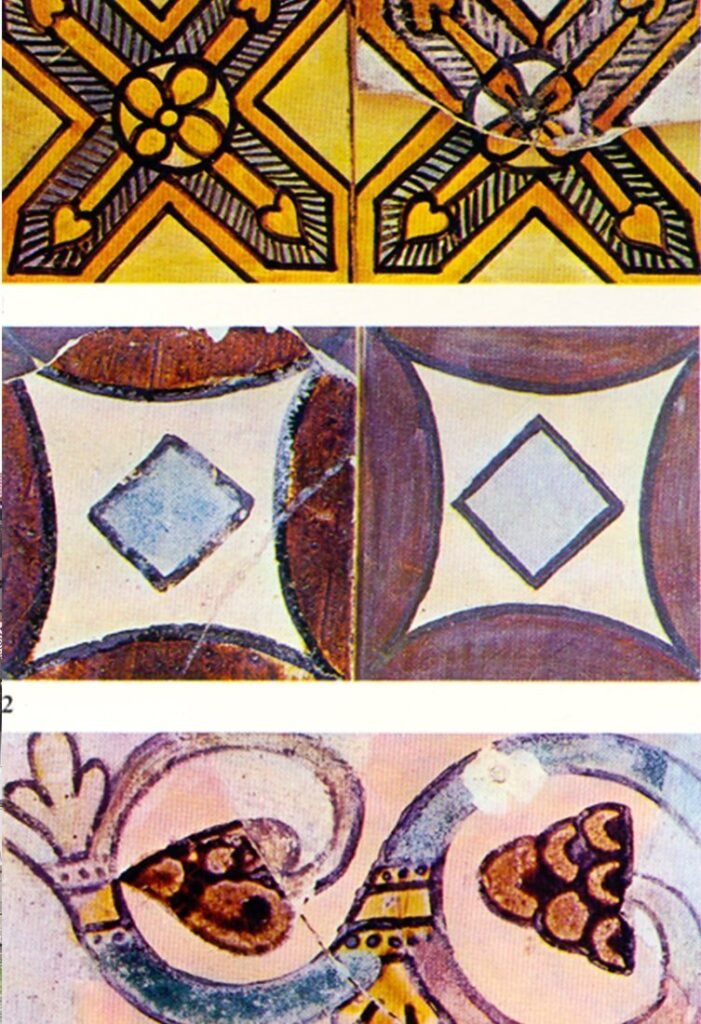
The monastery is located in the area of Patleyna, in the Dragoevska Mountain – the Eastern Pre-Balkan Range, high above the right bank of the Golyama Kamchia River, 2-2.5 km south of the Capital fortress wall and about 6 km south of the present-day Veliki Preslav. The archaeological research was carried out in 1909-1914 by […]
Odessos

Odessos was established as an apoikia on the western coast of the Pontos Axeinos (the Black Sea). The founders of the polis arrived from Miletus as a result of the ancient Hellenic migratory activity. The town has been known under the same name from the second quarter of the 6th c. BC to the first […]
Sadovec Fortresses
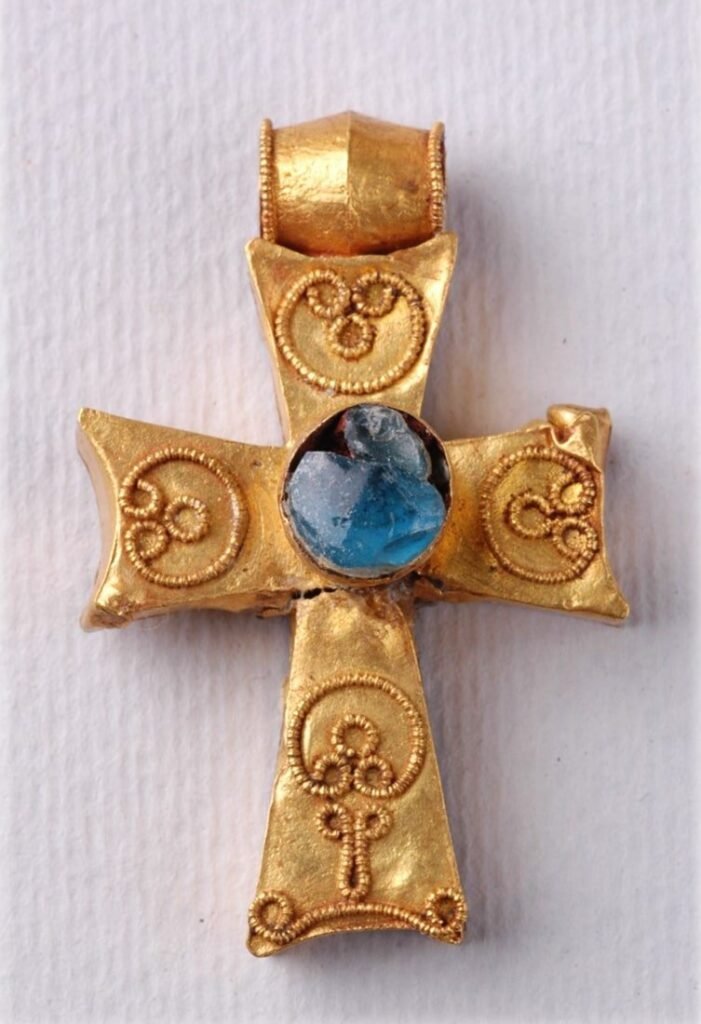
The defense system of Byzantium on the Balkan Peninsula involved three main fortified lines: the Danube Limes, the Balkan Range and Strandzha Mountain. It was finally accomplished in the course of the 5th – 6th c. Fortresses great in number protected the area enclosed between the Danube River and the Balkan Range. For most part […]
Veliki Preslav
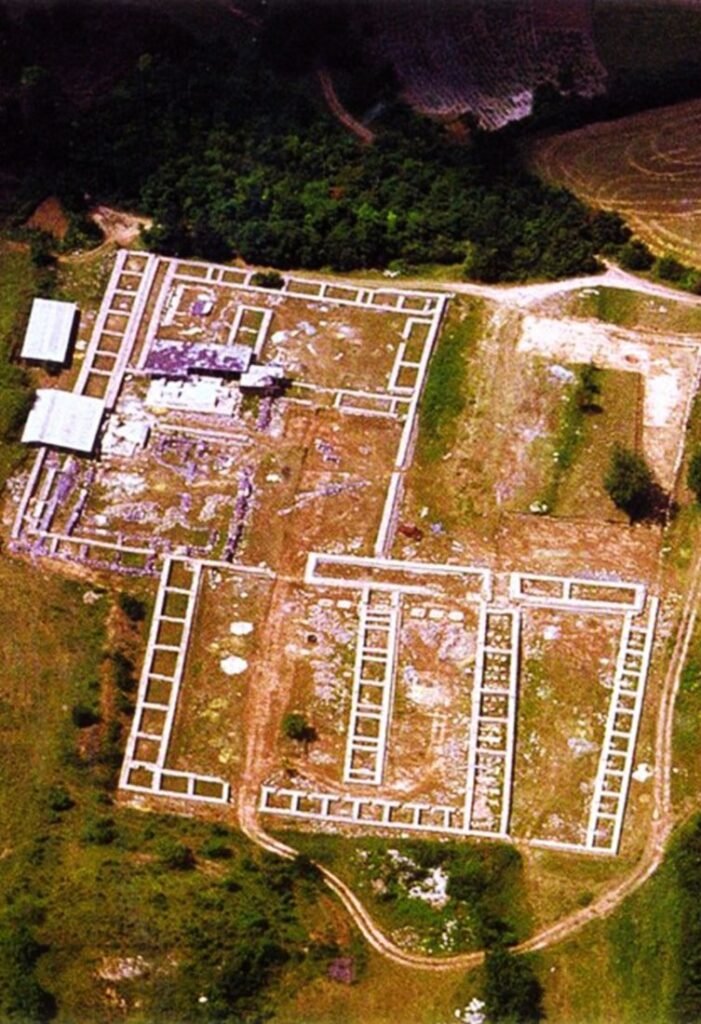
It is located about 4 km from the present-day town of Preslav and about 20 km from the district center of Shumen. The name comes from the Slavic words for Great for Veliki and Gorgeous for Preslav. The Bulgarian state was founded in 681 by Khan Asparuh, son of Khan Kubrat, after a victorious war […]
Nicopolis ad Nestum

Nicopolis ad Nestum is a Roman town located in southwestern Bulgaria. The “Town of victory on the Nestos River” was founded in early 2nd c. by the Roman Emperor Trajan, in honour of his victory over the Dacians. Its position was strategic along the road connecting the Aegean coast with the main military road Via […]