

Basílica de Conimbriga
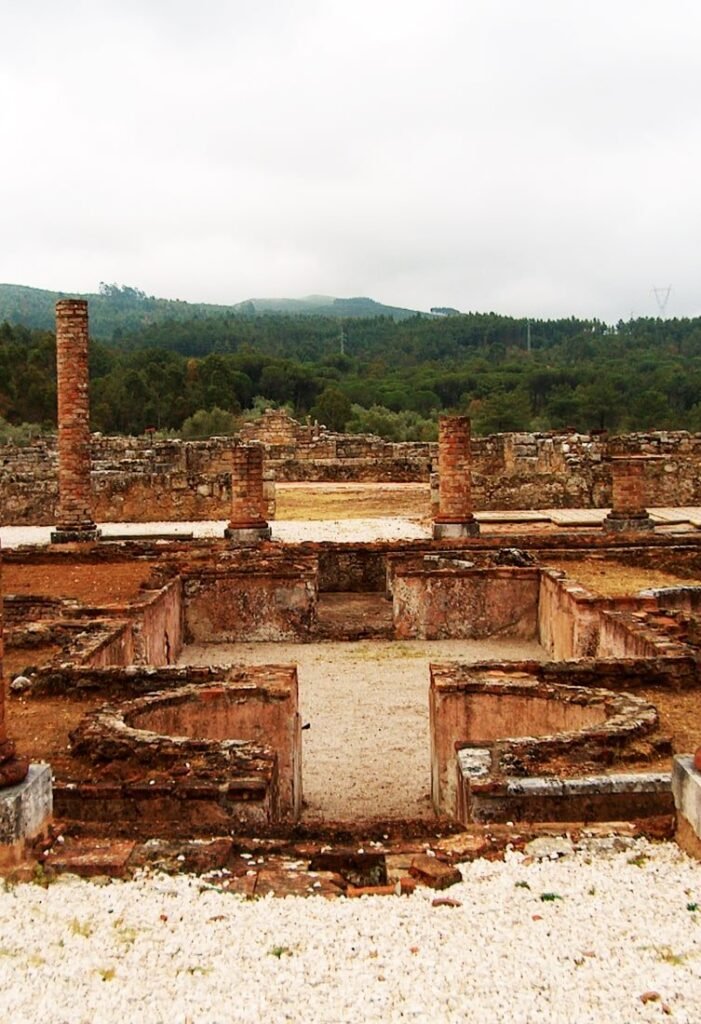
DESCRIPTION AND FORMAL ANALYSIS The mission of the museum is to protect the ruins of Conimbriga, promote their exhibition and conduct archaeological research; its collection is exclusively composed of archaeological material found in the city. The current exhibition displays everyday objects organised by theme and evokes the monumental forum, the rich domus, the vigour of […]
Mosteiro de São Bartolomeu do Outeiro
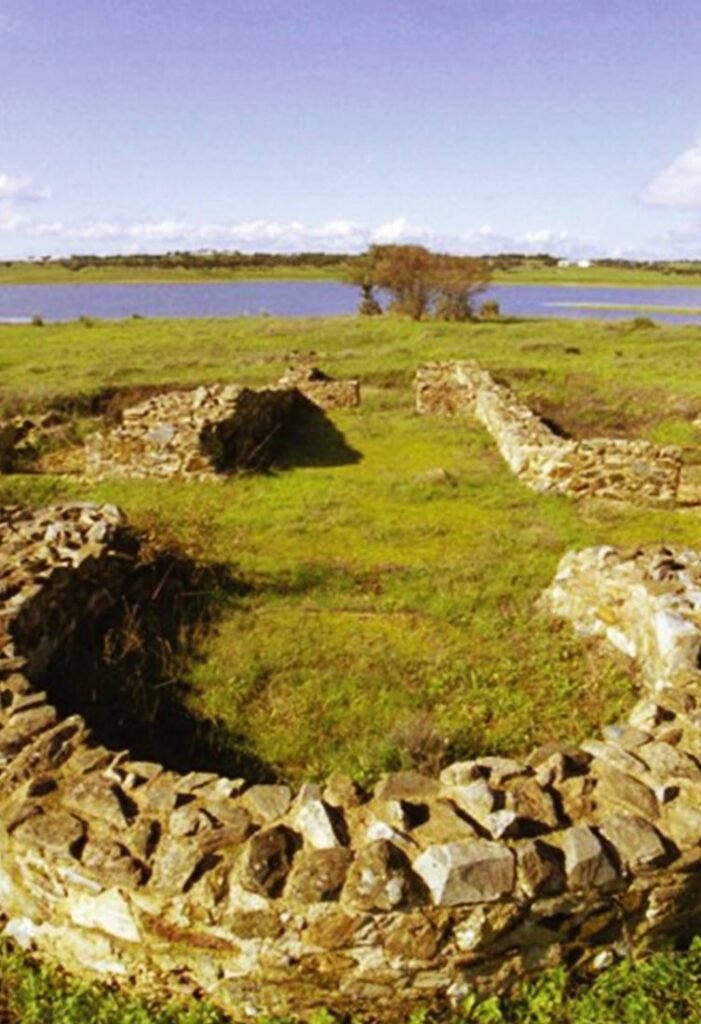
DESCRIÇÃO E ANÁLISE FORMAL Trata-se de um local habitado desde o século II d.C., provavelmente uma vila com vocação agrícola, ao que se julga, deverá ter mantido uma ocupação até ao século VI. Deste século data um templo cristão cuja as ruínas são visitáveis, nas margens da Barragem de Alvito. Monumento religioso, onde se identificaram […]
Mosteiro de Santa Maria de Lorvão
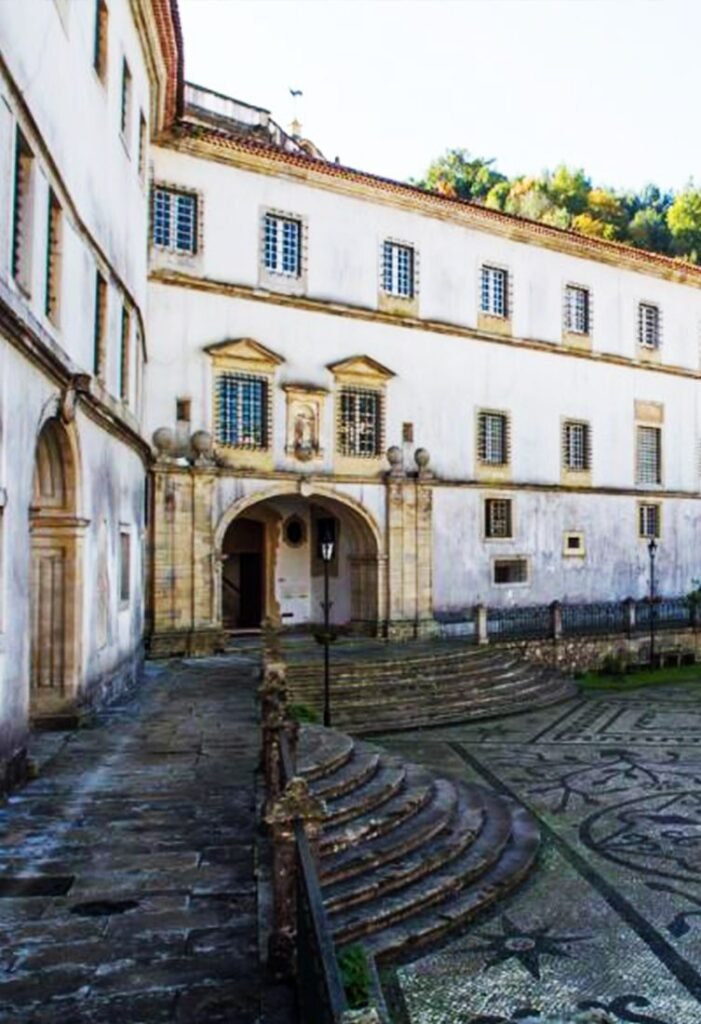
DESCRIPTION AND FORMAL ANALYSIS According to the old chronicles, the foundation of a monastery in Lorvão dates back to the 6th century. However, the earliest written documents date back to the 9th century and are later than the Christian Reconquest. At that time, the locale was entrusted to the monks of Cluny, responsible for the […]
Ribât de Arrifana
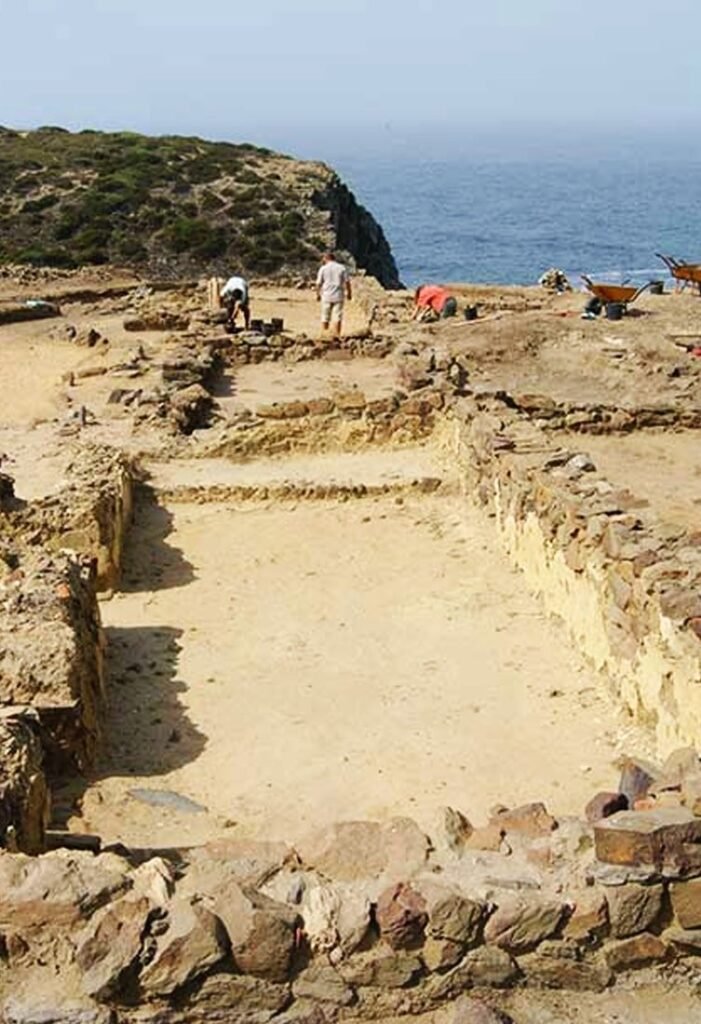
O Ribat da Arrifana localiza-se numa península isolada, delimitada por altas escarpas que caem verticalmente sobre o Oceano Atlântico, em frente à laje designada por pedra da Atalaia, a cerca de 6 km a ocidente da vila de Aljezur, numa paisagem agreste e pouco antropizada. Esta implantação dotava-o de um importante papel no controlo e […]
Montinho das Laranjeiras
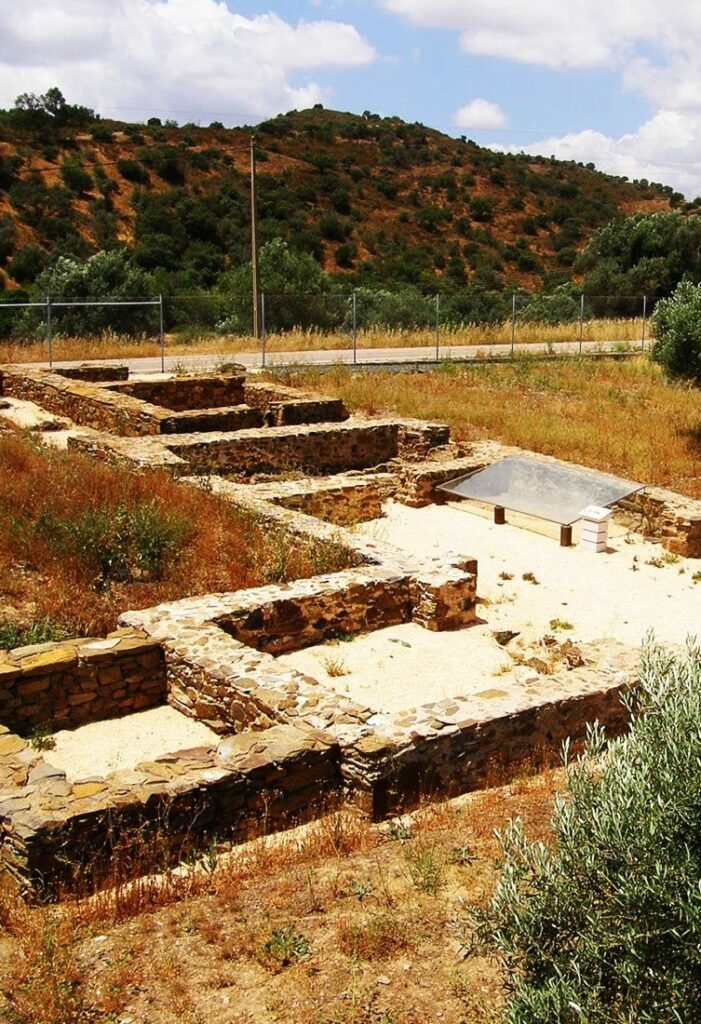
DESCRIPTION AND FORMAL ANALYSIS When the waters of the River Guadiana rose to an unprecedented level in 1876 and then returned to normal, they left ruins uncovered that were completely unknown. This was how the scientific community became aware of this important Roman “Villa”, identified and excavated at that time by Estácio da Veiga, located […]
Igreja de Vera Cruz de Marmelar
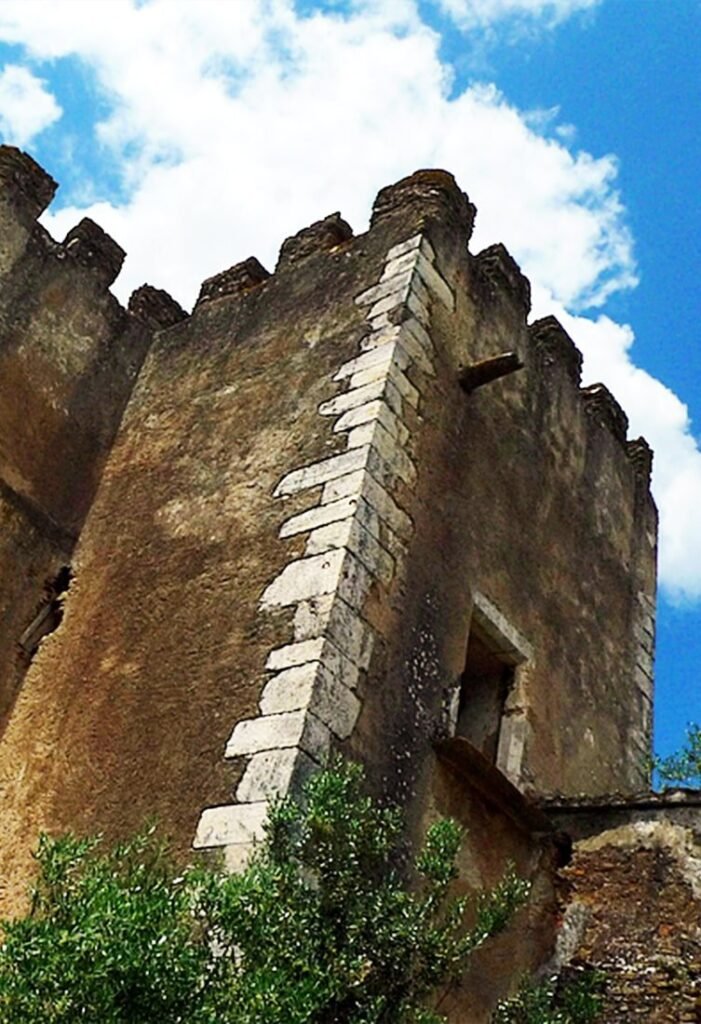
DESCRIÇÃO E ANÁLISE FORMAL Grandioso edifício do século XVI, construído sobre duas edificações anteriores, dos séculos X/XI e do século XIII, das quais subsistem vestígios na abside e nas absidíolas. Conserva um nicho de decoração visigótica. Na fachada principal existe um pórtico esquadriado com frontão semicircular da reforma maneirista e duas torres de quatro pisos, […]
Igreja de São Gião – Nazaré
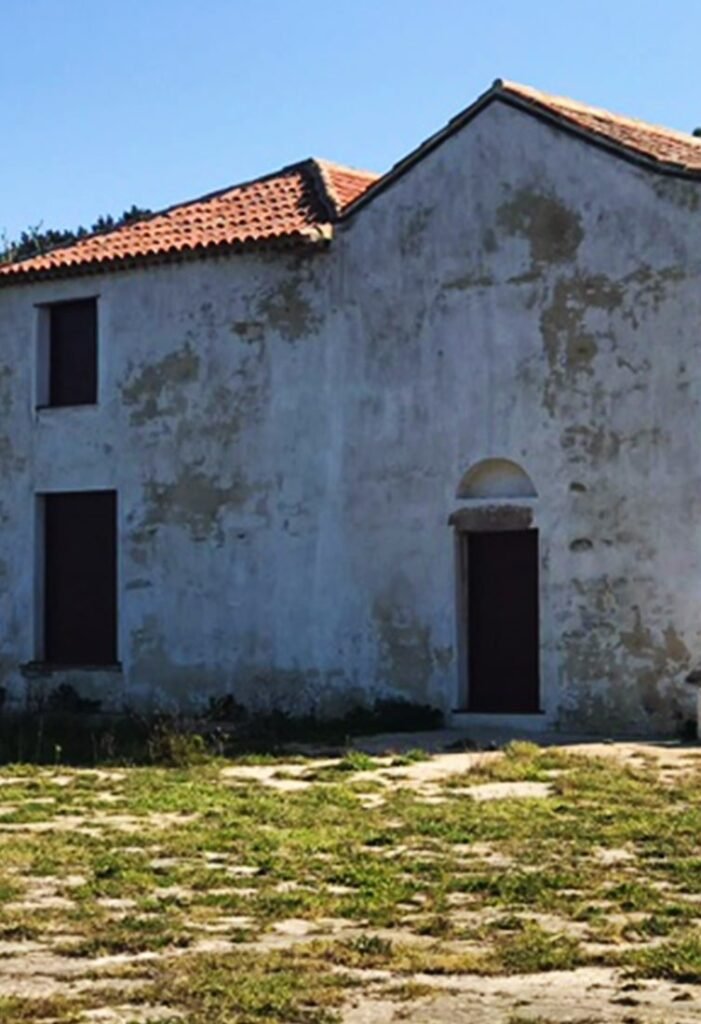
DESCRIÇÃO E ANÁLISE FORMAL Insere-se numa exploração agrícola, adossado a outro edifício mais recente, a cerca de 600 metros do mar, numa língua de terra arável, entre o areal e uma encosta rochosa. Visigothic church from the 7th c. modified in the 12th c. in romanesque style. Planta rectangular; volume simples coberto por telhado de […]
Igreja de Santo Amaro
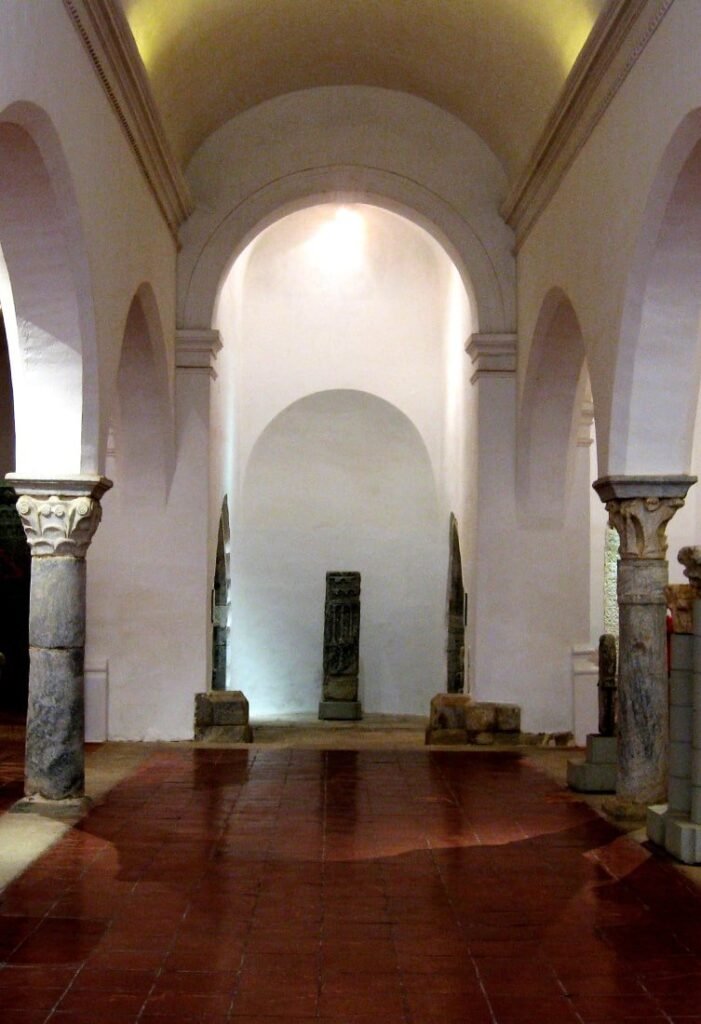
DESCRIPTION AND FORMAL ANALYSIS With the inauguration of the Visigoth Museum, of the Regional Museum of Beja, at the Santo Amaro Church, fulfilled the aspiration, 40 years old, of several specialists, scholars and local citizens, among which, it is only fair, to mention the name of Abel Viana, who as early as 1940, advocated that […]
Évora
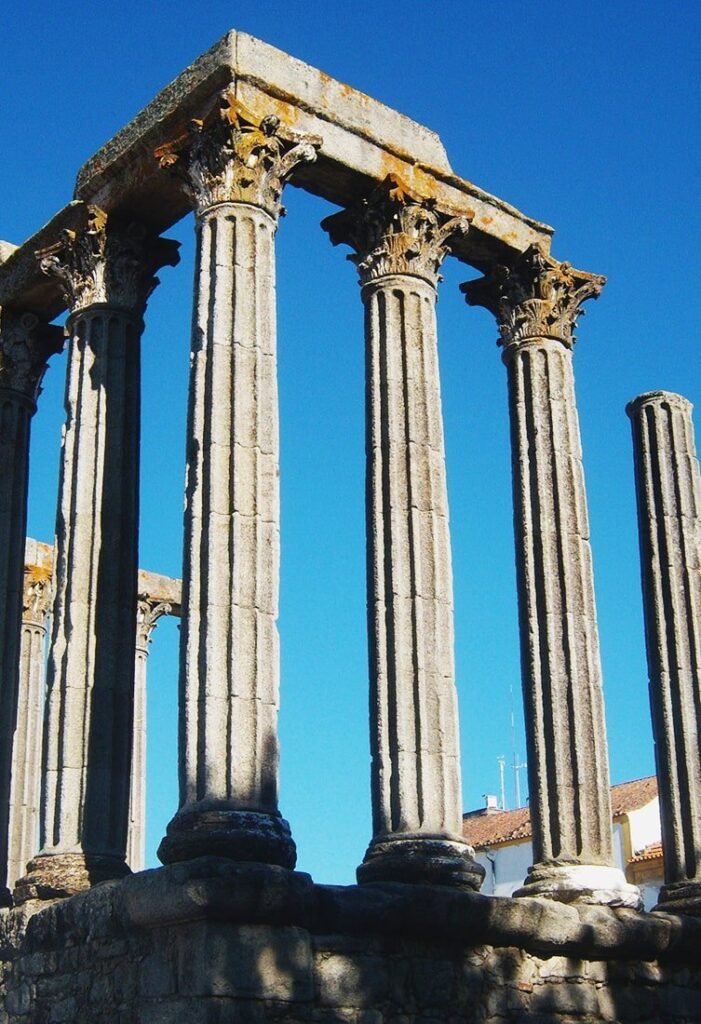
DESCRIÇÃO E ANÁLISE FORMAL Na época do imperador romano Augusto (r. 27 a.C.-14 d.C.), Évora foi integrada à Província da Lusitânia e beneficiada com uma série de transformações urbanísticas, das quais o Templo Romano de Évora – dedicado provavelmente ao culto imperial – é o vestígio mais importante que sobreviveu aos nossos dias, além de […]
Catedral e Idanha a Velha
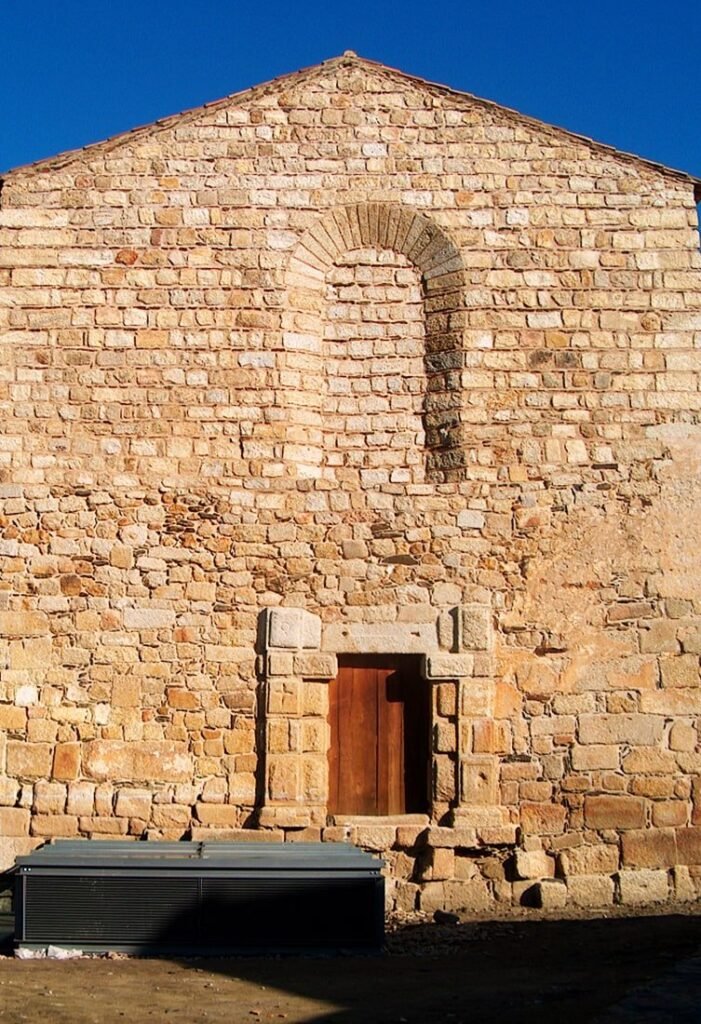
DESCRIPTION AND FORMAL ANALYSIS Currently referred to as the «Cathedral», this church stands on the foundations of another early Christian church, built in the time of the Suevi and integrated into the kingdom of the Visigoths from 585 onwards. The baptistery close to the south door dates from the time of the Suevi, although the […]