

Complexo religioso cristão de Mértola
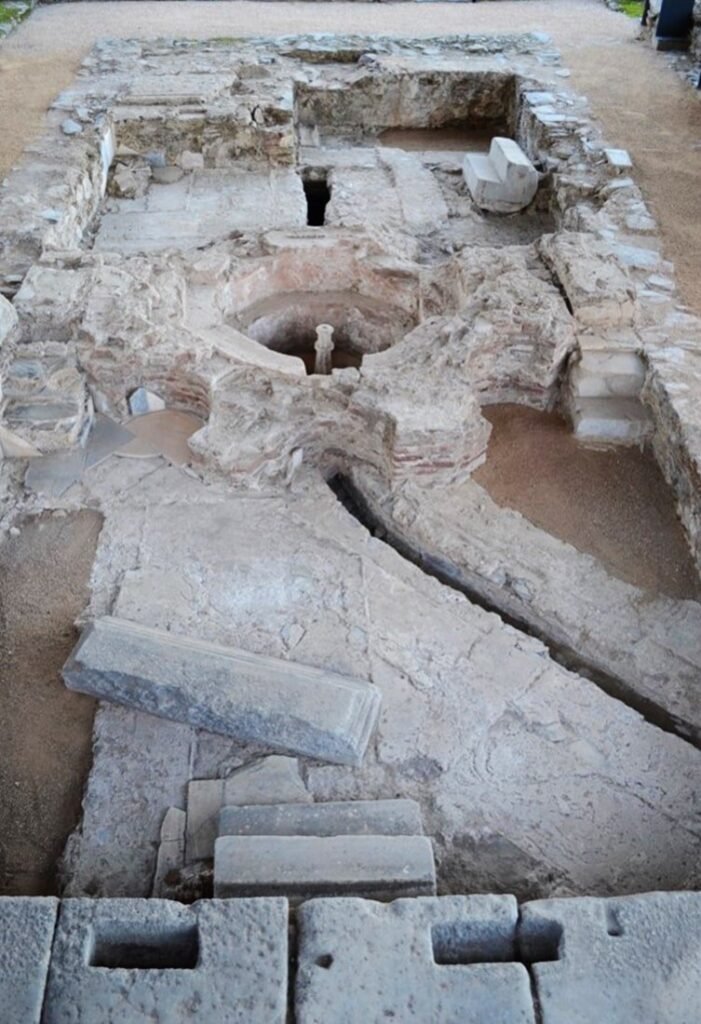
DESCRIPTION AND FORMAL ANALYSIS On the northern slope of the Castle hill, there was probably the forum of the city of Myrtilis, the public square of Roman times. Myrtilis is the old name of Mértola. Creates an artificial platform that rests on the wall and an underground gallery – the cryptoporticus. In the Late Antiquity […]
Basílica de Cetobriga
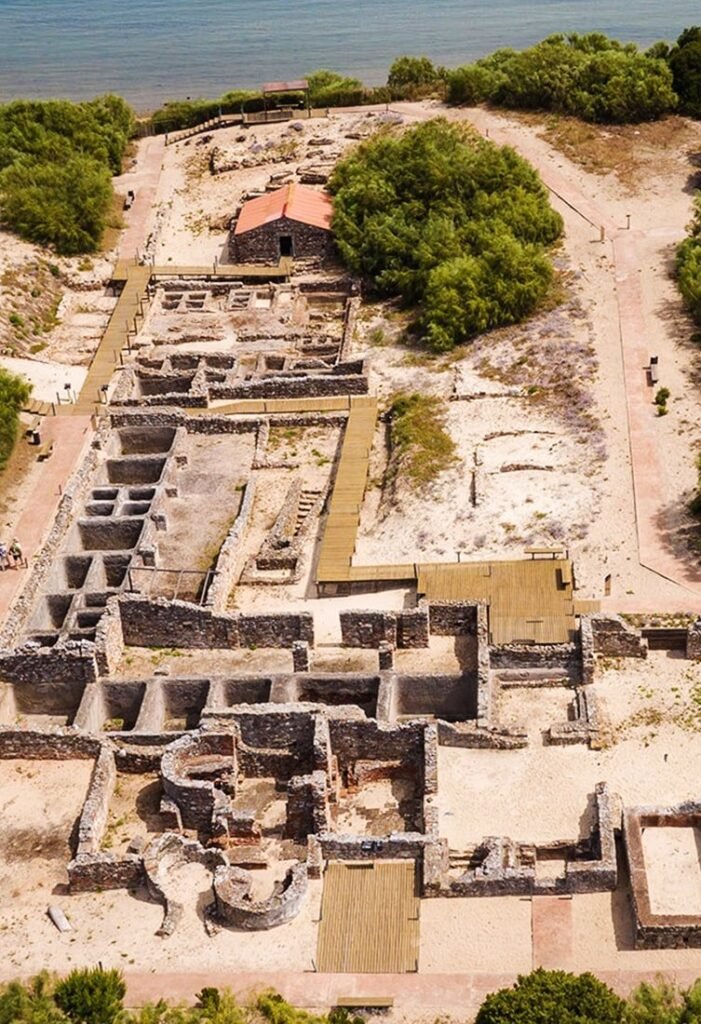
DESCRIÇÃO E ANÁLISE FORMAL O sítio arqueológico de Tróia localiza-se na península de Tróia, uma restinga de areia que separa o estuário do Sado do Oceano Atlântico, integrando-se numa paisagem dunar, que sofreu profundas alterações ao longo do tempo. Assim, no período romano esta área poderia ter um carácter insular. As ruínas romanas identificadas em […]
Basílica de Torre de Palma
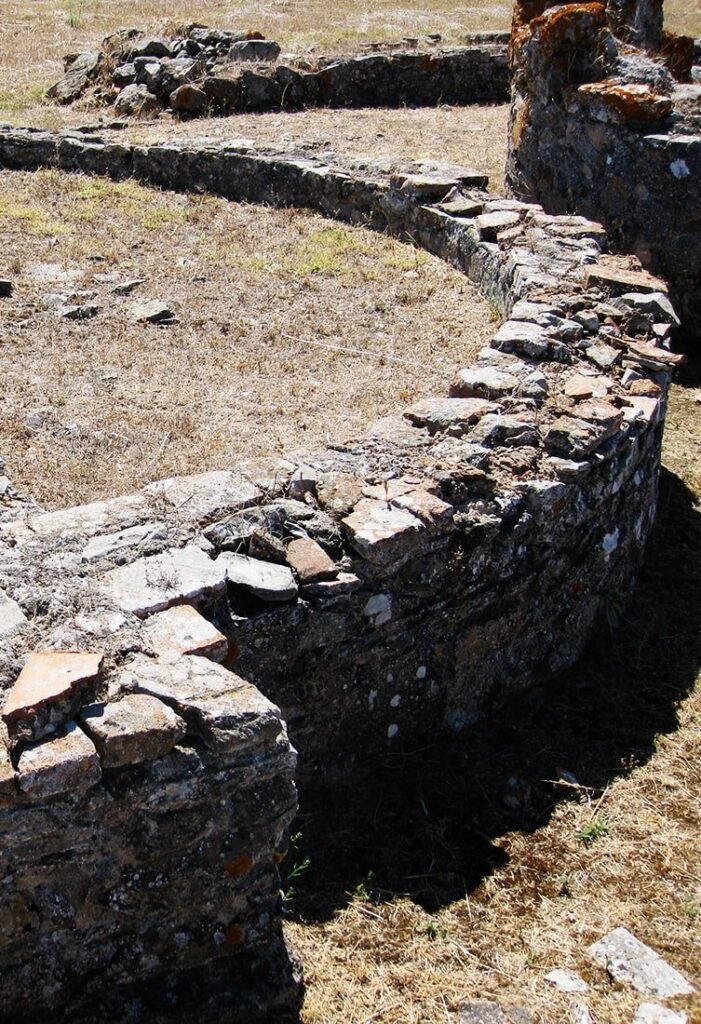
DESCRIÇÃO E ANÁLISE FORMAL Torre de Palma é um espaço organizado e pensado para a vivência rural. Bem estruturada para a exploração agrícola, era também local de recolhimento e de lazerdo proprietário. Em torno de um grande pátio, ao qual se acedia por um portão principal, organizavam-se as construções ligadas à exploração agrícola, como nos […]
Basílica de Conimbriga
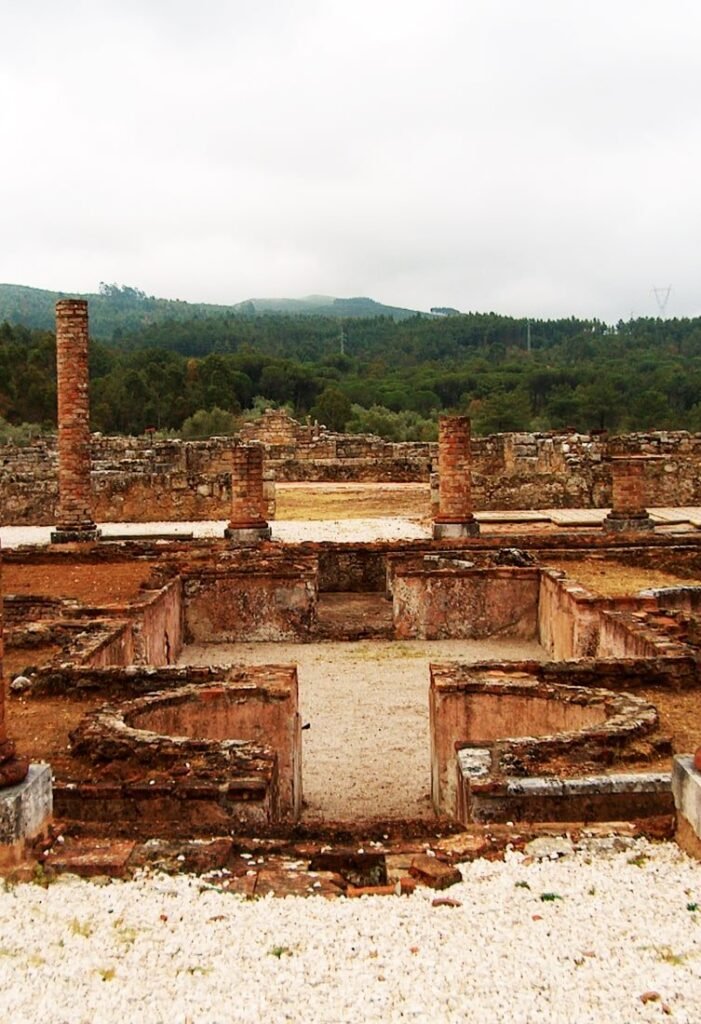
DESCRIPTION AND FORMAL ANALYSIS The mission of the museum is to protect the ruins of Conimbriga, promote their exhibition and conduct archaeological research; its collection is exclusively composed of archaeological material found in the city. The current exhibition displays everyday objects organised by theme and evokes the monumental forum, the rich domus, the vigour of […]
Monte Mosteiro
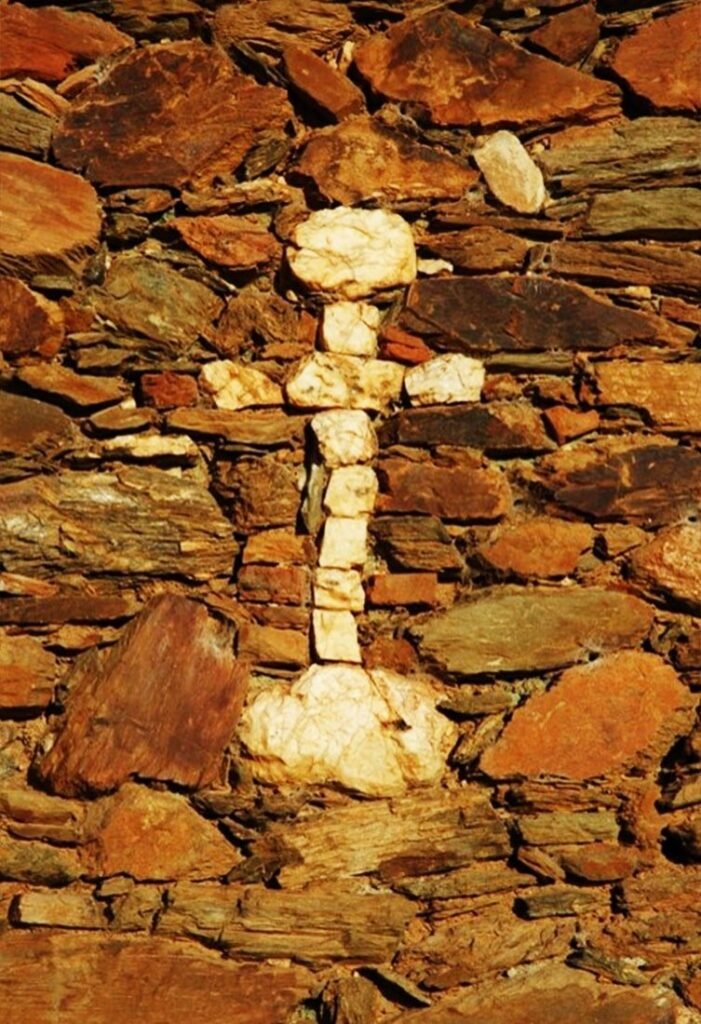
The main goal of this project, aimed at recovering a small religious building in Mosteiro, 20 km north of Mértola, was to establish a relationship between its history and the people who live here. The monastery, which was built in an area where there used to be a Roman Villa, is mentioned in documents since […]
Mosteiro de São Bartolomeu do Outeiro
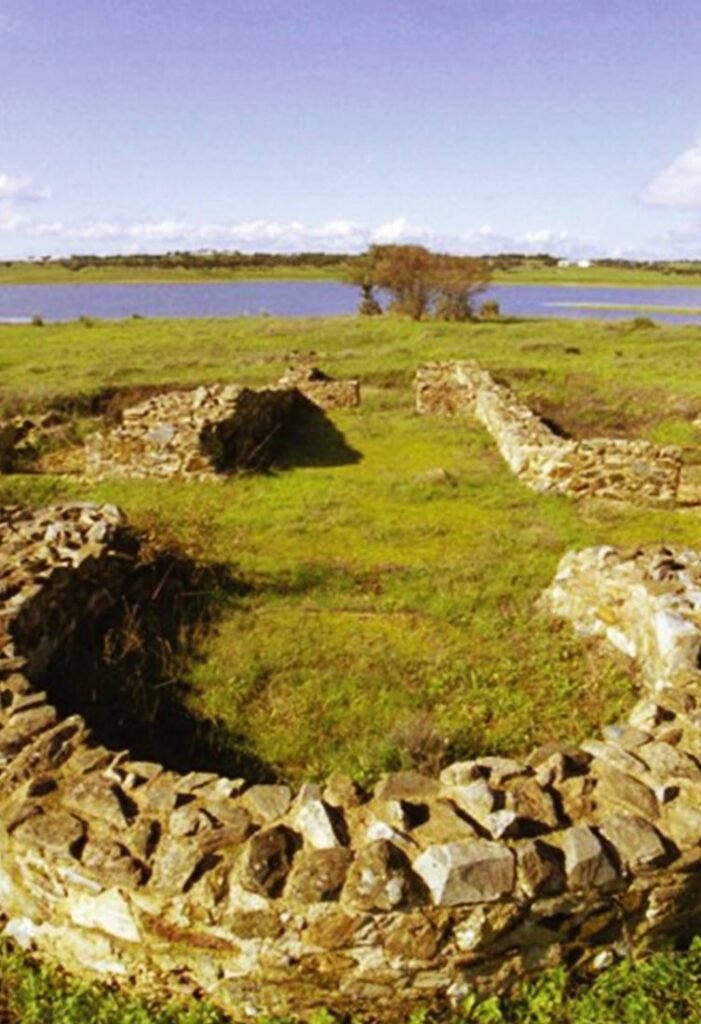
DESCRIÇÃO E ANÁLISE FORMAL Trata-se de um local habitado desde o século II d.C., provavelmente uma vila com vocação agrícola, ao que se julga, deverá ter mantido uma ocupação até ao século VI. Deste século data um templo cristão cuja as ruínas são visitáveis, nas margens da Barragem de Alvito. Monumento religioso, onde se identificaram […]
Montinho das Laranjeiras
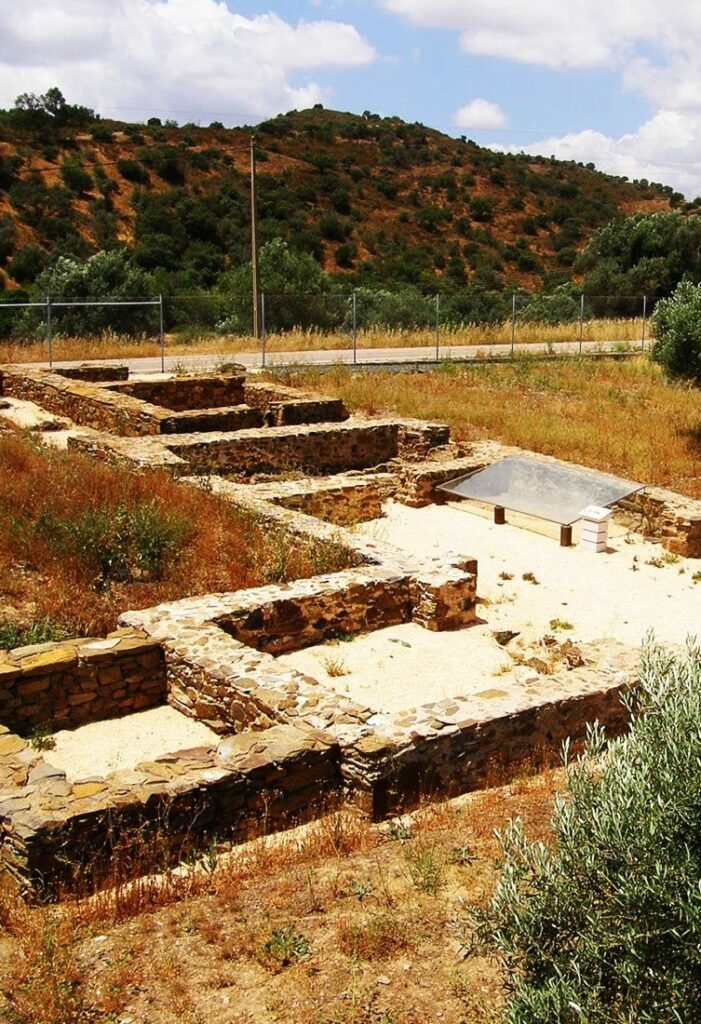
DESCRIPTION AND FORMAL ANALYSIS When the waters of the River Guadiana rose to an unprecedented level in 1876 and then returned to normal, they left ruins uncovered that were completely unknown. This was how the scientific community became aware of this important Roman “Villa”, identified and excavated at that time by Estácio da Veiga, located […]
Évora
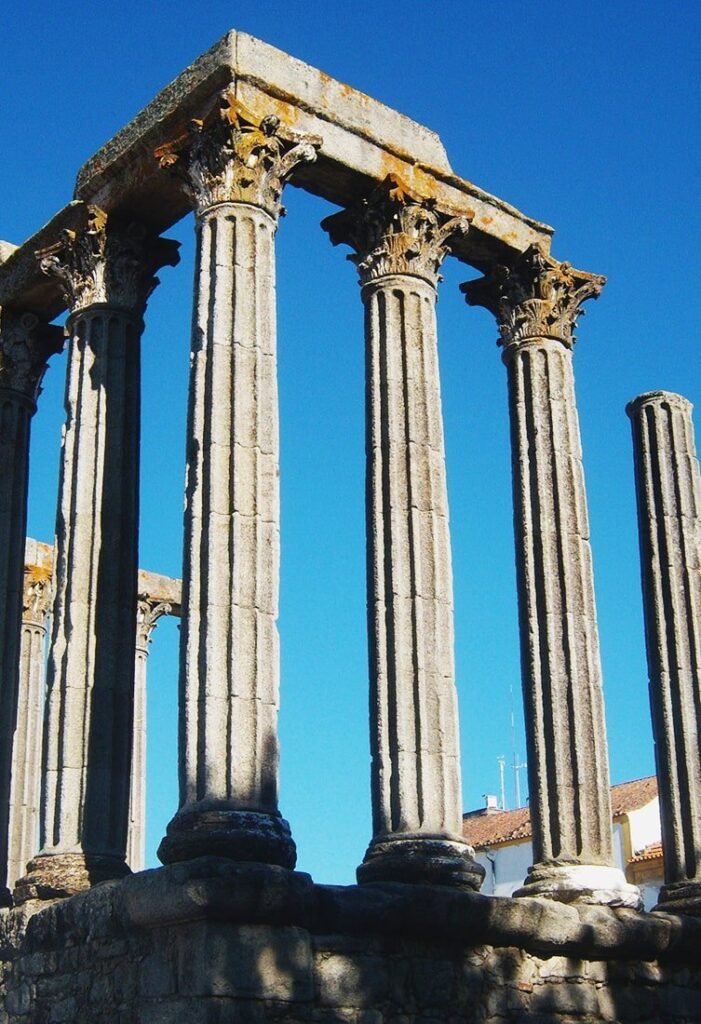
DESCRIÇÃO E ANÁLISE FORMAL Na época do imperador romano Augusto (r. 27 a.C.-14 d.C.), Évora foi integrada à Província da Lusitânia e beneficiada com uma série de transformações urbanísticas, das quais o Templo Romano de Évora – dedicado provavelmente ao culto imperial – é o vestígio mais importante que sobreviveu aos nossos dias, além de […]
Villa Romana de São Cucufate
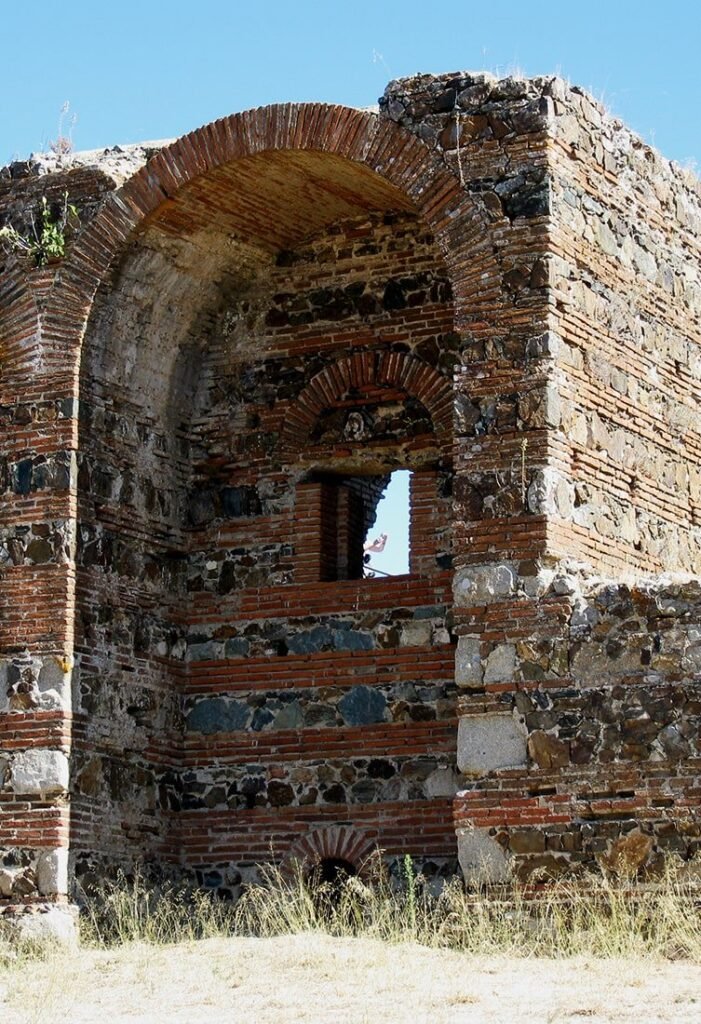
DESCRIPTION AND FORMAL ANALYSIS Roman villa from the 1st century, that was altered in the first half of the 2nd century and destroyed in the 4th century in order to be replaced by the building that is still visible today. During the Middle Ages, the building served as a Convent (Military Order of Santiago) and […]
PORTA NIGRA
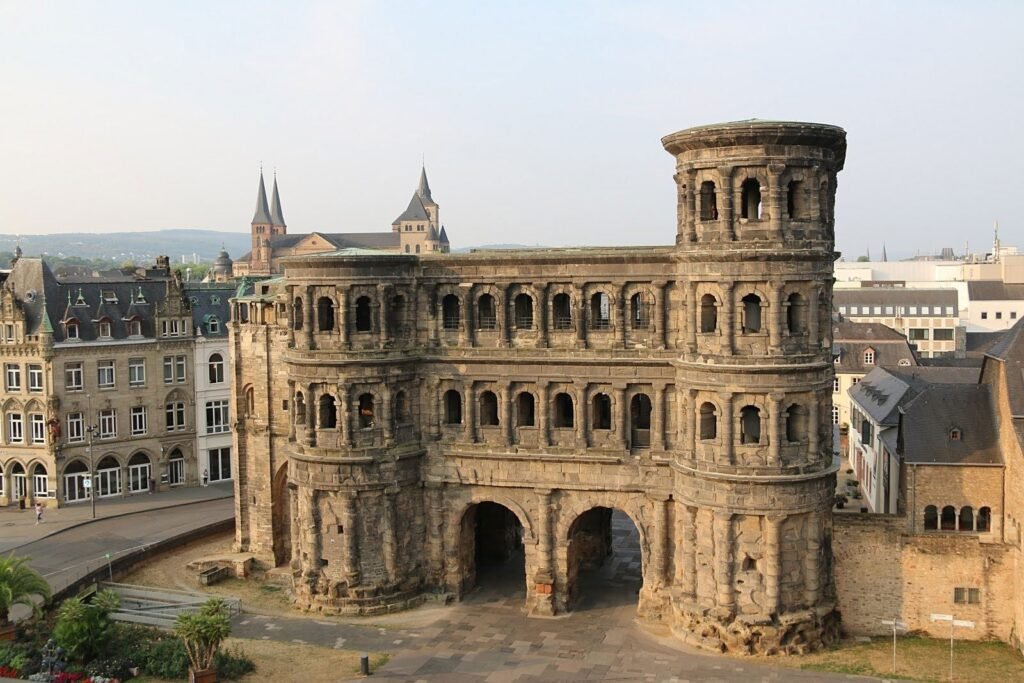
Descripción Para alguien que acaba de llegar a Tréveris, este es el mejor lugar para empezar una visita a la ciudad. No solo es la puerta romana mejor preservada de todo el mundo, sino que es el comienzo de la zona peatonal en la actualidad, a ocho minutos a pie de la estación del tren, […]