

Monastero di Santa Maria di Pomposa
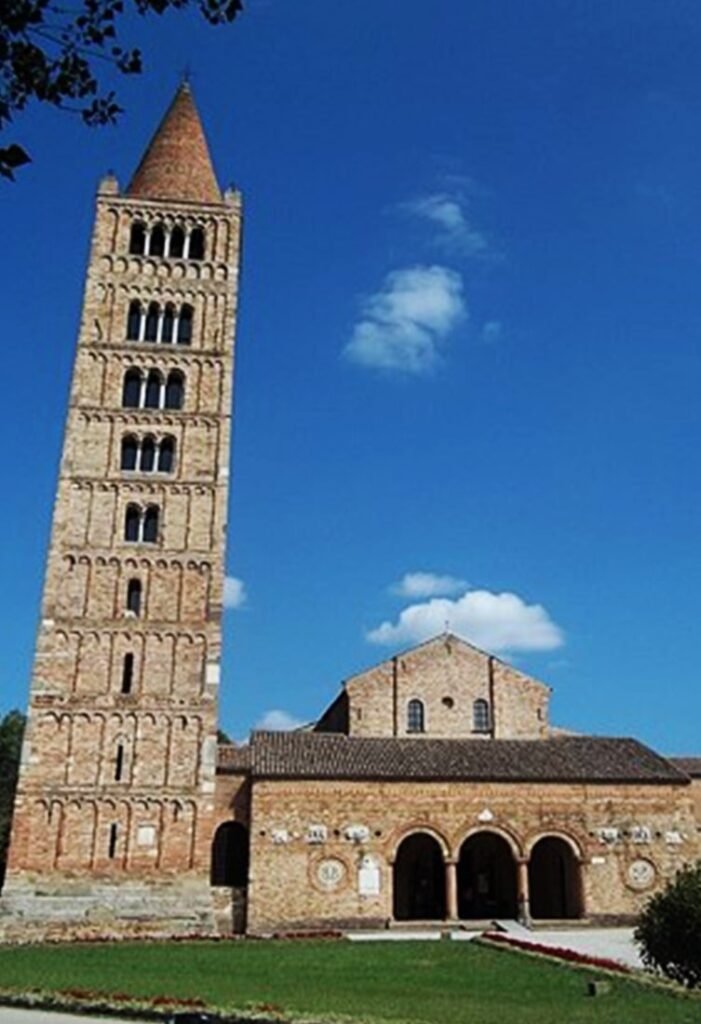
L’Insula Pomposiana, l’area in cui sorse l’abbazia, così era detta perché in origine circondata dalle acque del Po e del mare, che determinavano pertanto una condizione favorevole sia dal punto di vista climatico sia nella sicurezza e difendibilità del territorio. Il relativo isolamento e la presenza di boschi favoriva, inoltre, quel clima di solitudine e […]
Monastero di San Vincenzo al Volturno
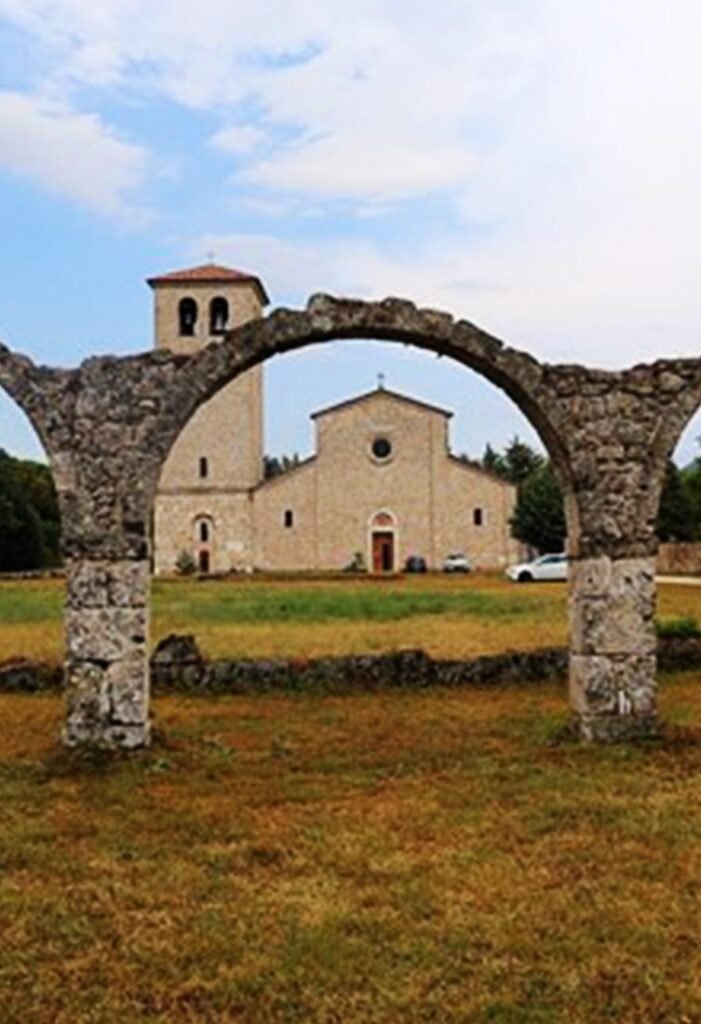
Il monastero si trova nel territorio del comune di Castel San Vincenzo, sito presso le falde occidentali del monte Vallone in provincia di Isernia. Nell’area è attestata la presenza, in epoca tardo romana, di un villaggio e di un oratorio dedicato a san Vincenzo e risalente al V-VI secolo, nei cui pressi tre nobili longobardi, […]
Complexo religioso cristão de Mértola
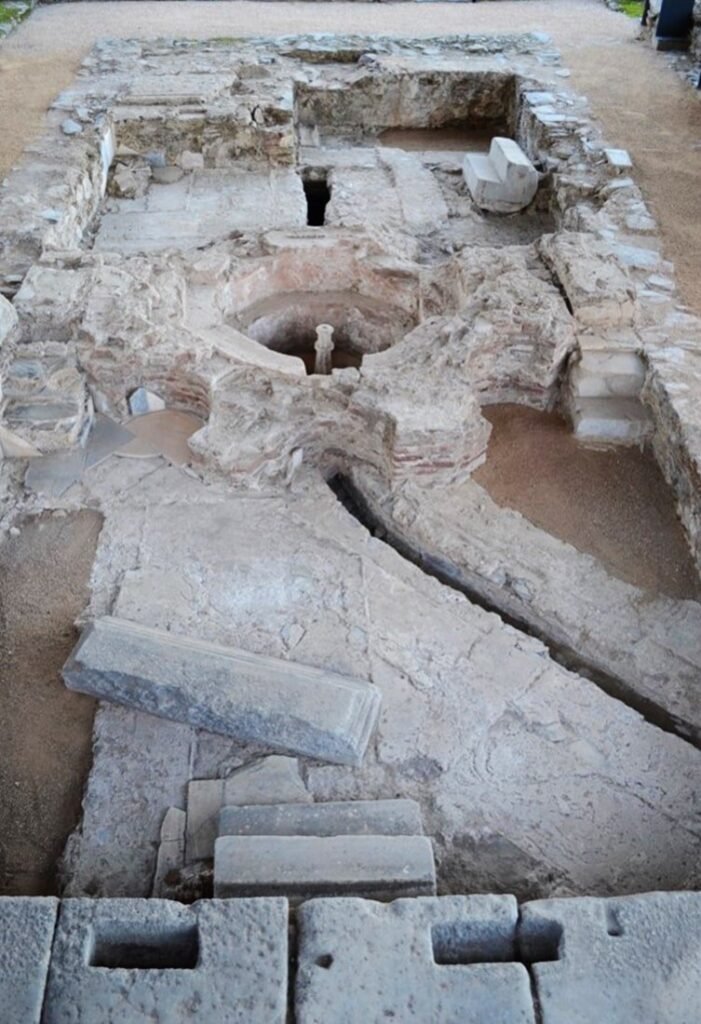
DESCRIPTION AND FORMAL ANALYSIS On the northern slope of the Castle hill, there was probably the forum of the city of Myrtilis, the public square of Roman times. Myrtilis is the old name of Mértola. Creates an artificial platform that rests on the wall and an underground gallery – the cryptoporticus. In the Late Antiquity […]
Basílica de Torre de Palma
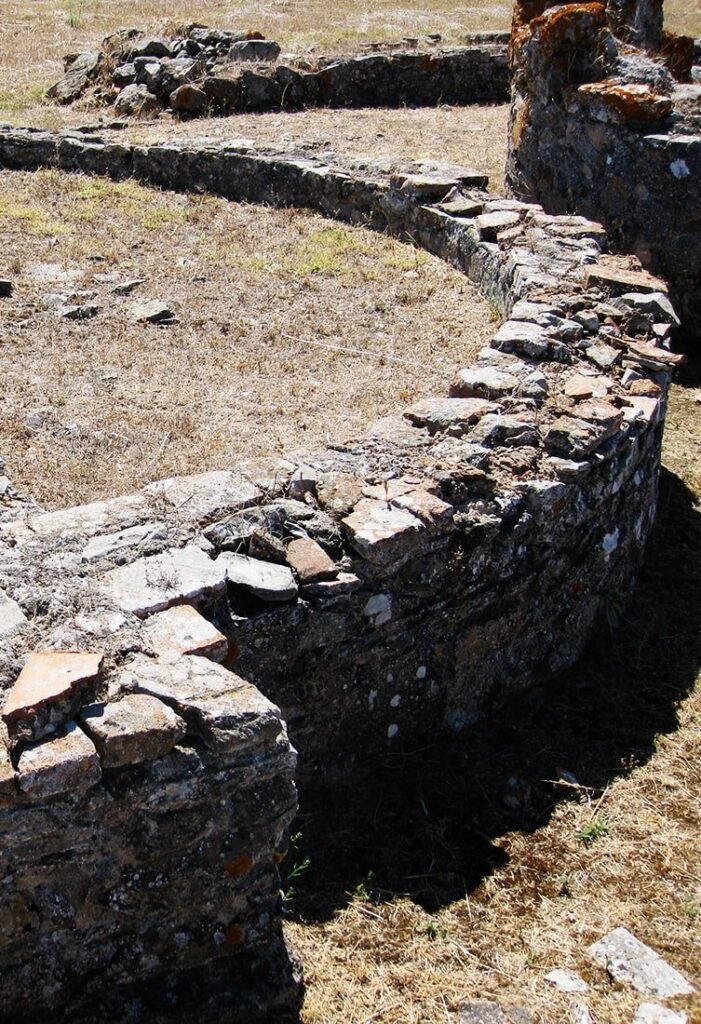
DESCRIÇÃO E ANÁLISE FORMAL Torre de Palma é um espaço organizado e pensado para a vivência rural. Bem estruturada para a exploração agrícola, era também local de recolhimento e de lazerdo proprietário. Em torno de um grande pátio, ao qual se acedia por um portão principal, organizavam-se as construções ligadas à exploração agrícola, como nos […]
Basílica de Conimbriga
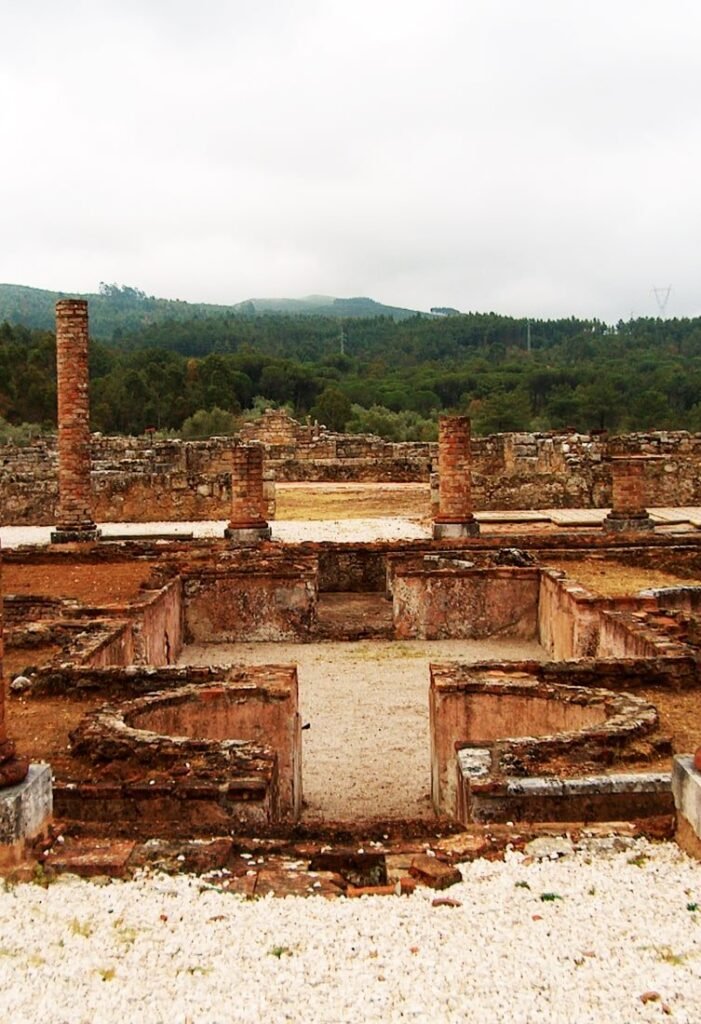
DESCRIPTION AND FORMAL ANALYSIS The mission of the museum is to protect the ruins of Conimbriga, promote their exhibition and conduct archaeological research; its collection is exclusively composed of archaeological material found in the city. The current exhibition displays everyday objects organised by theme and evokes the monumental forum, the rich domus, the vigour of […]
Évora
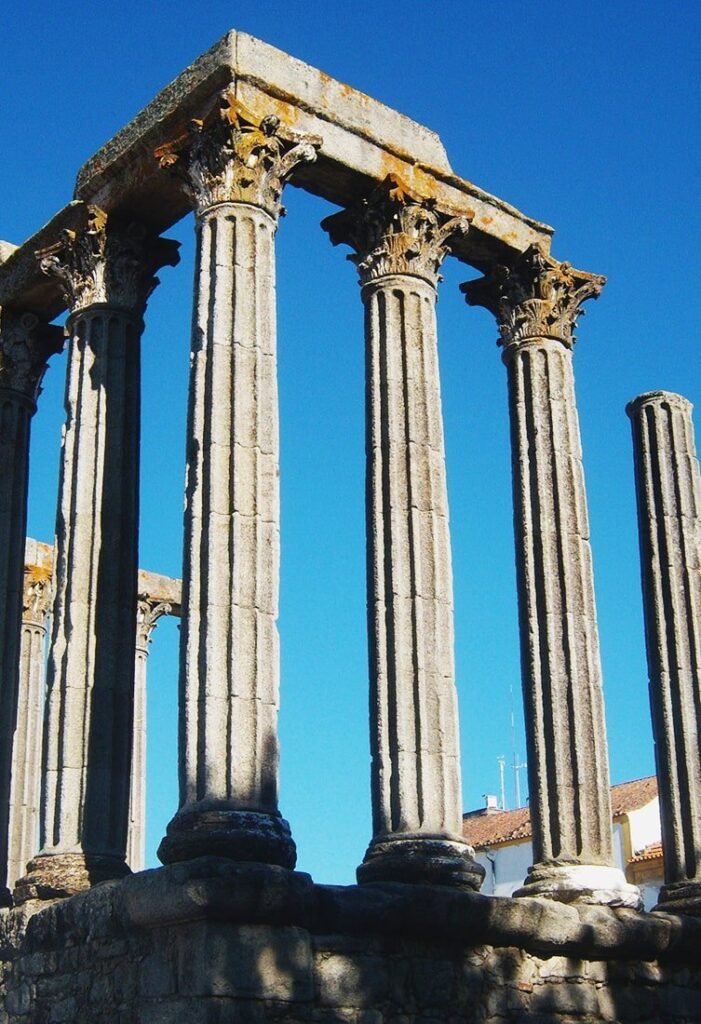
DESCRIÇÃO E ANÁLISE FORMAL Na época do imperador romano Augusto (r. 27 a.C.-14 d.C.), Évora foi integrada à Província da Lusitânia e beneficiada com uma série de transformações urbanísticas, das quais o Templo Romano de Évora – dedicado provavelmente ao culto imperial – é o vestígio mais importante que sobreviveu aos nossos dias, além de […]
Catedral e Idanha a Velha
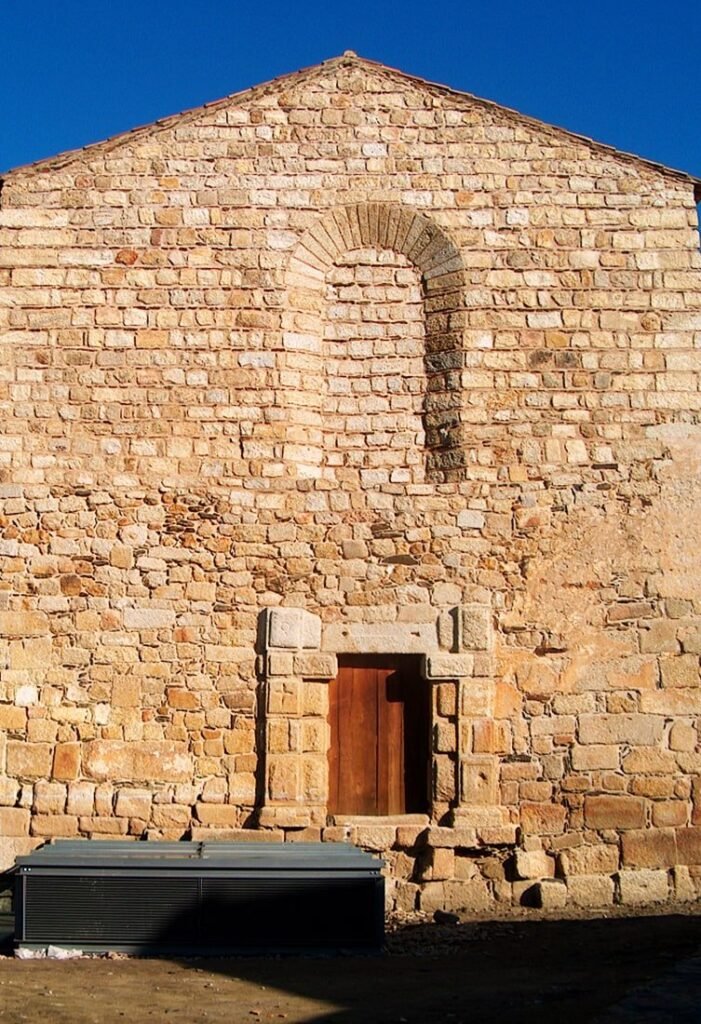
DESCRIPTION AND FORMAL ANALYSIS Currently referred to as the «Cathedral», this church stands on the foundations of another early Christian church, built in the time of the Suevi and integrated into the kingdom of the Visigoths from 585 onwards. The baptistery close to the south door dates from the time of the Suevi, although the […]
Mosteiro de Santa Maria de Lorvão
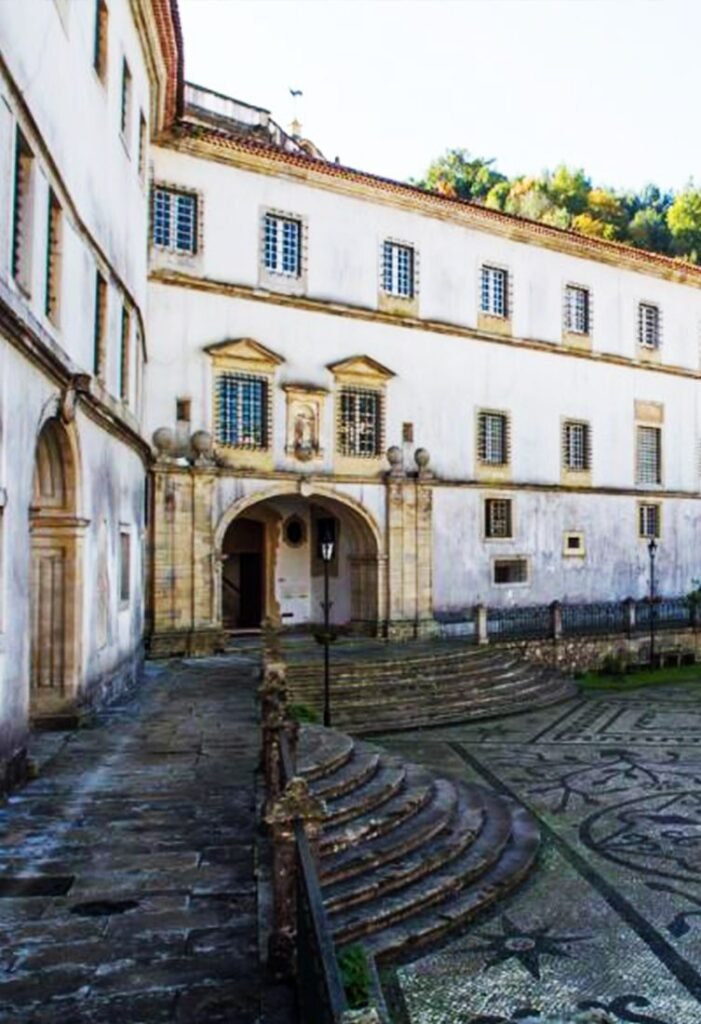
DESCRIPTION AND FORMAL ANALYSIS According to the old chronicles, the foundation of a monastery in Lorvão dates back to the 6th century. However, the earliest written documents date back to the 9th century and are later than the Christian Reconquest. At that time, the locale was entrusted to the monks of Cluny, responsible for the […]
Montinho das Laranjeiras
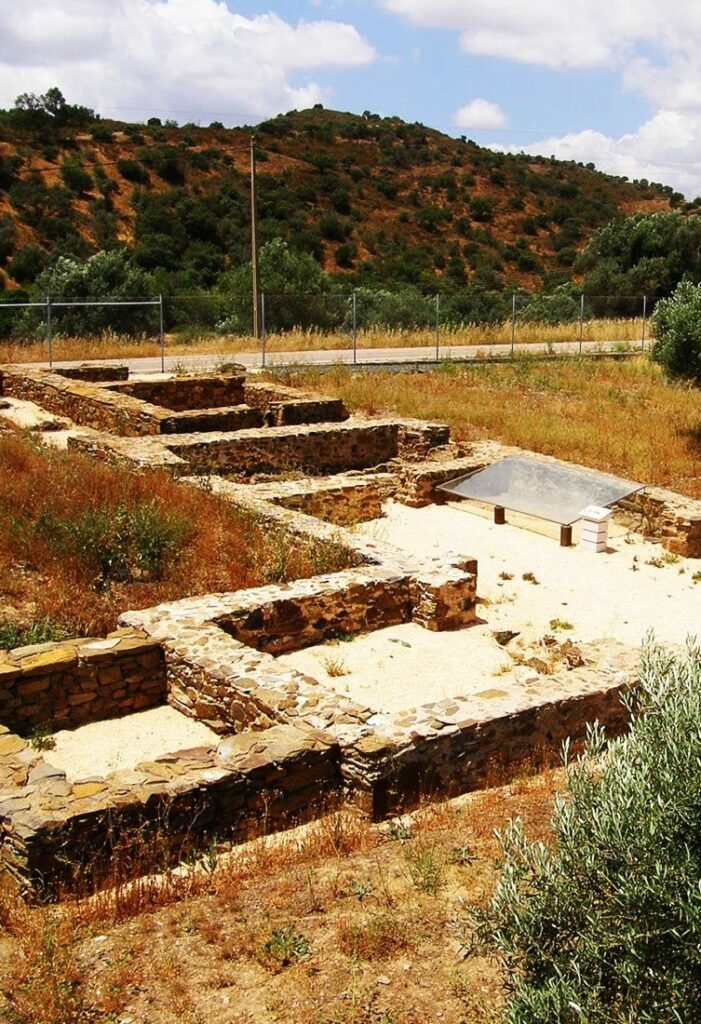
DESCRIPTION AND FORMAL ANALYSIS When the waters of the River Guadiana rose to an unprecedented level in 1876 and then returned to normal, they left ruins uncovered that were completely unknown. This was how the scientific community became aware of this important Roman “Villa”, identified and excavated at that time by Estácio da Veiga, located […]
Igreja de Vera Cruz de Marmelar
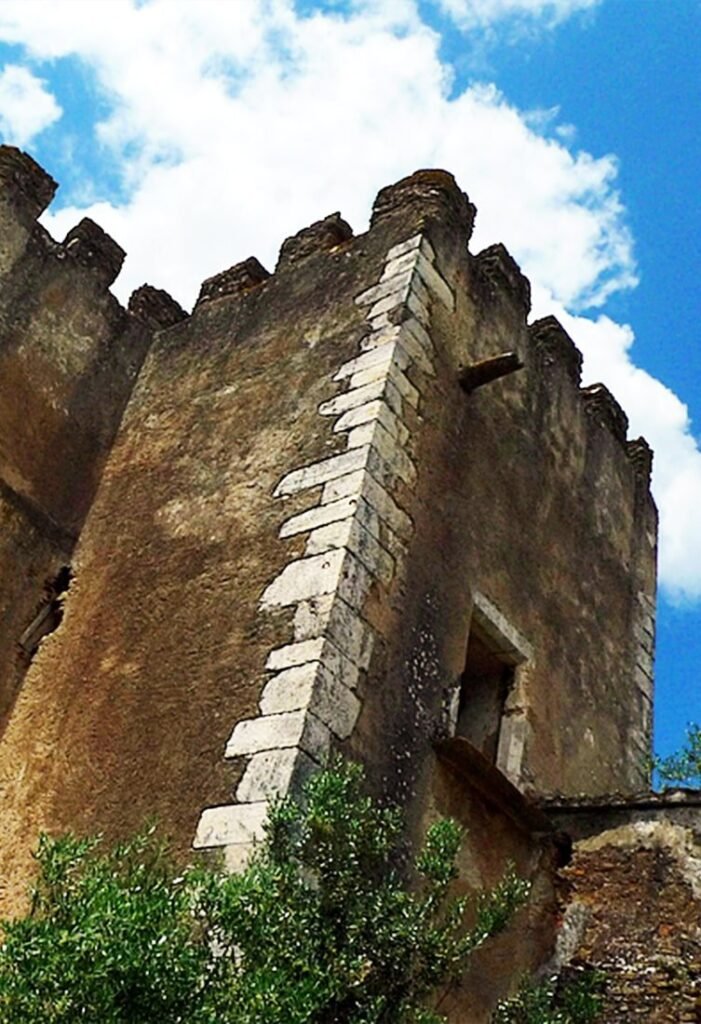
DESCRIÇÃO E ANÁLISE FORMAL Grandioso edifício do século XVI, construído sobre duas edificações anteriores, dos séculos X/XI e do século XIII, das quais subsistem vestígios na abside e nas absidíolas. Conserva um nicho de decoração visigótica. Na fachada principal existe um pórtico esquadriado com frontão semicircular da reforma maneirista e duas torres de quatro pisos, […]