
Augusta Traiana
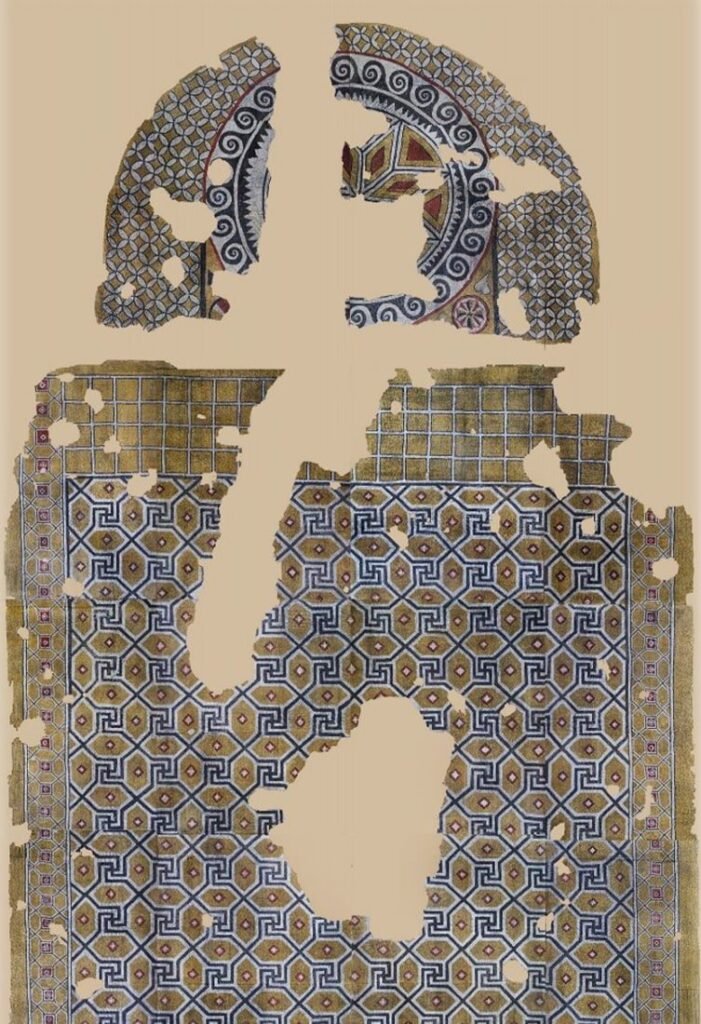
An ancient town with many names, among which Beroe is often mentioned in the written sources. In 46 AD, the town entered the boundaries of the Roman province of Thrace. In 106 Emperor Trajan changed its name to Ulpia Augusta Traiana and gave it the right to self-government. The town grew to be the second […]
Monastery of Nova Mahala
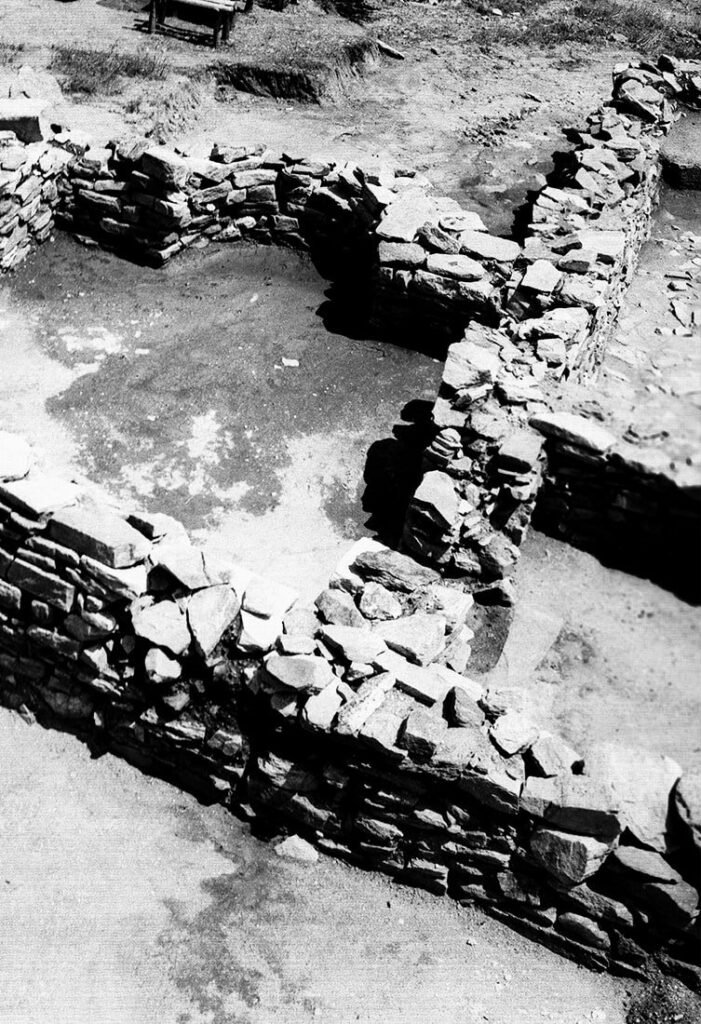
The village of Nova Mahala located at 1273 m. above sea level in the Western Rhodopes. Its population is Muslim by faith, settled sometime after the late 14th c. For this reason, the toponymy in the surrounding area is Turkish, often a literal translation of previously existing local names. There is no continuity between the […]
Diocletianopolis
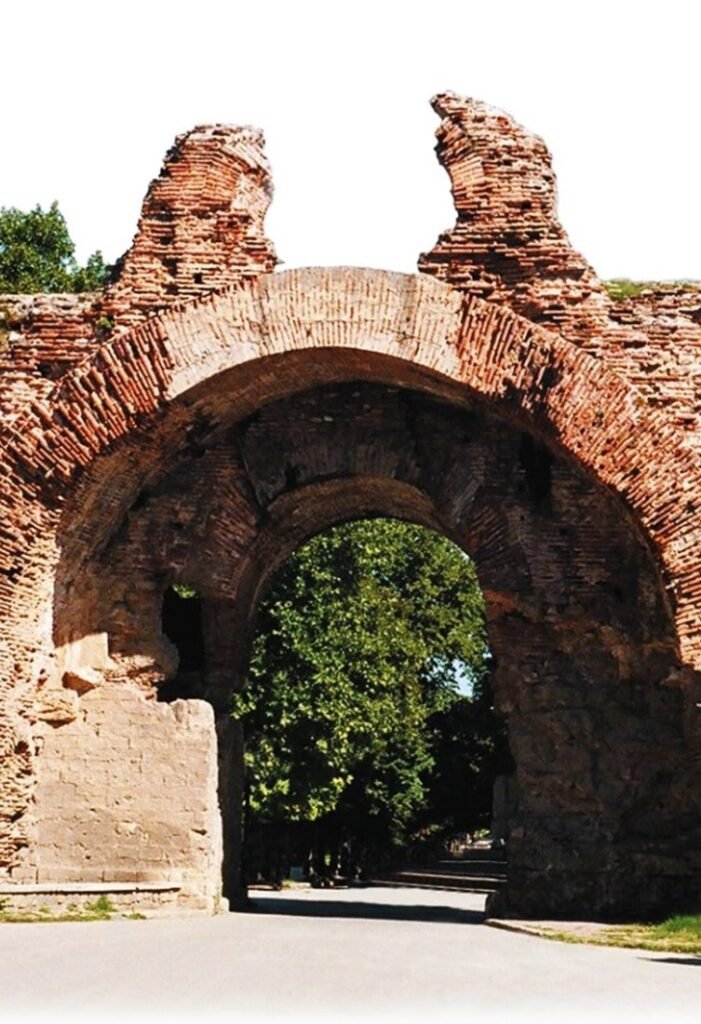
Hisarya is a small but very famous town in southern Bulgaria, 42 km north of Plovdiv. It is located on a sunny plain, a transition from the southern slopes of Sredna Gora to the Thracian Valley, at an altitude of 346 m above sea level. Its climate is transitional-continental, with mild winters. Its greatest wealth […]
Storgosia
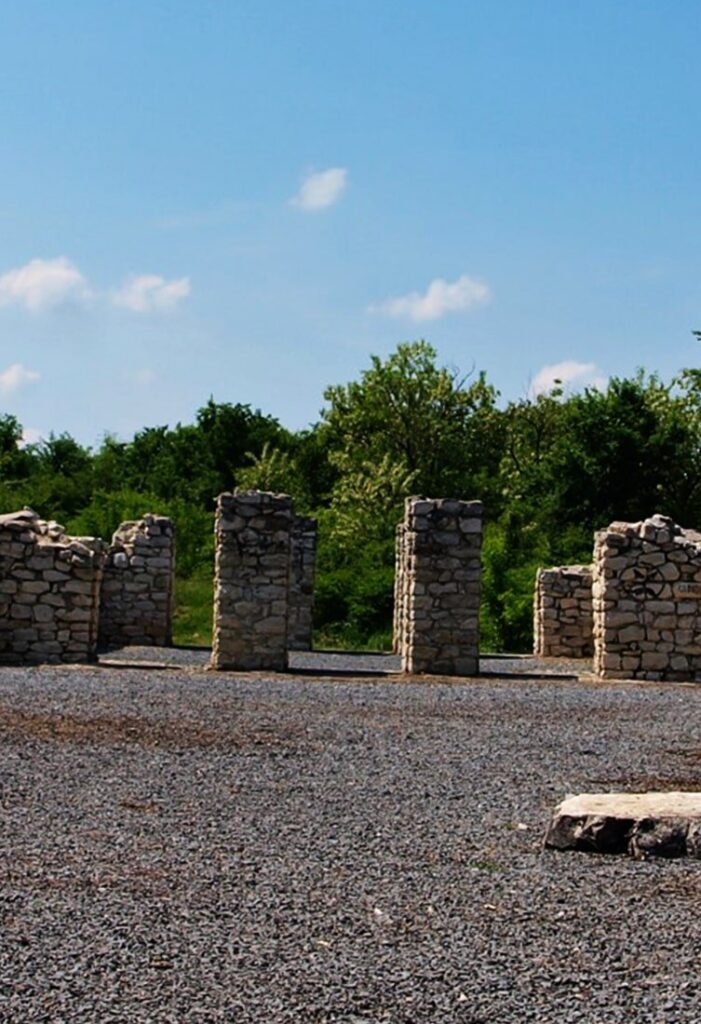
The area of Pleven is saturated with archaeological sites, but only a small part of them has been studied. Among them, the longest-explored is the fortress located in the Park of Kaylaka, about 3 km southeast of Pleven, known as Storgosia. Although still poorly explored, according to artefacts and pottery sporadically found, analysis of written […]
Partikopolis
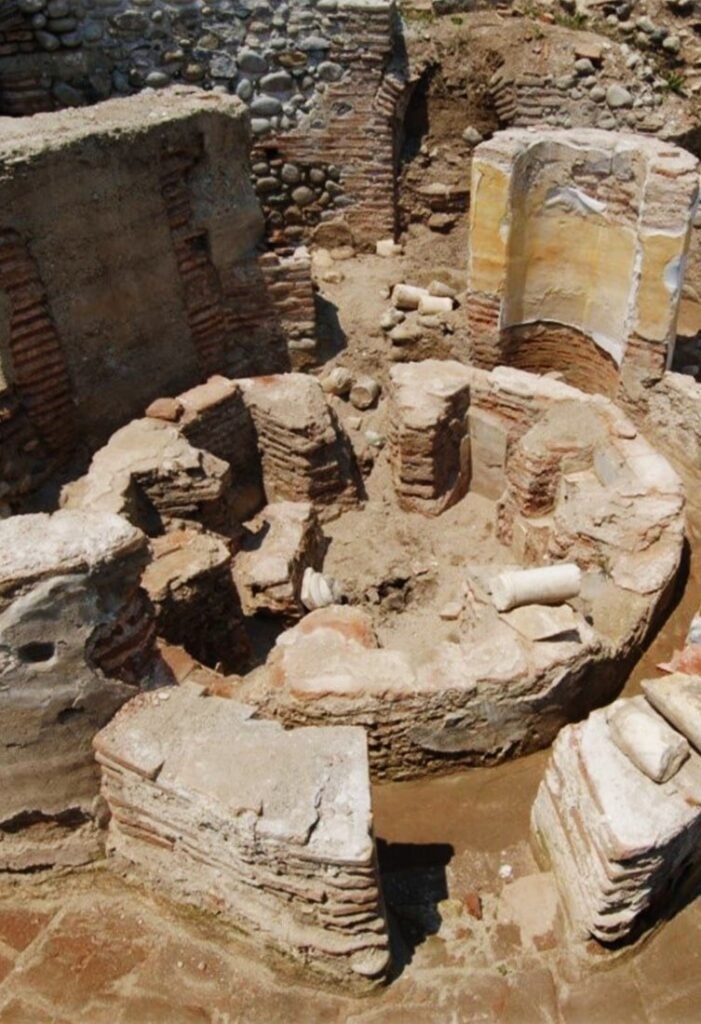
Located at the crossroads between the Middle East and Western Europe, Partikopolis (later Sveti Vrach, in honour of the holy inmercenaries Cosmas ans Damian, martyrs in Rome in 284) and the Middle Struma region lie about a hundred kilometers from the Aegean coast. They became the site of the special attention of Christ’s teaching and […]
Philippopolis
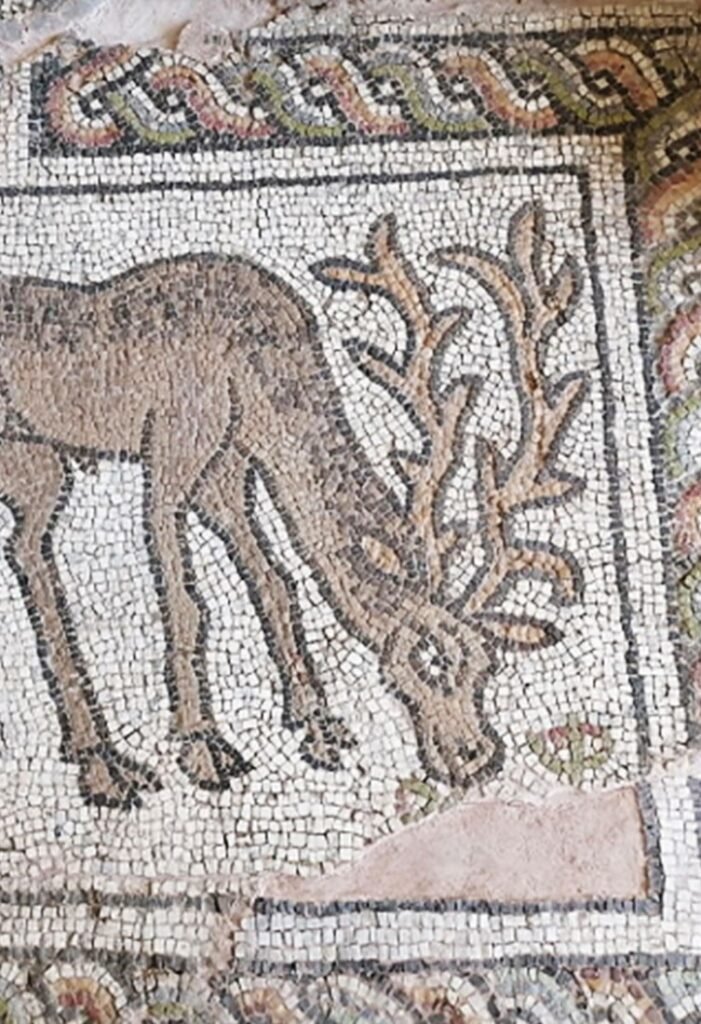
The history of Plovdiv began in the Neolithic – 6th millennium BC – to continue without interruption to this day. The town has had important religious, administrative and political functions throughout its existence. It is the main town of Thrace (or the southern Bulgaria of today) regardless of the historical periods and the administrative center […]
St. Matthias Abbey
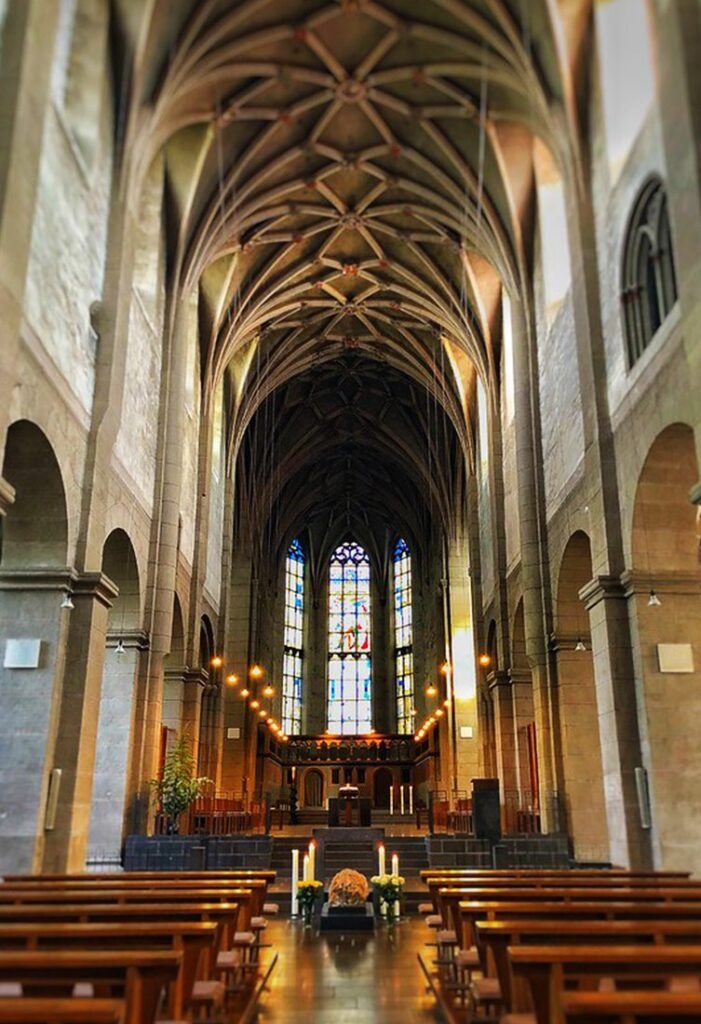
St. Matthias‘ Abbey is a monastery in Trier (Treveris), Rhineland-Palatinate. The abbey has its roots in the mid-5th century, when it was built by Cyrillus, the bishop of Trier, to honor the founders of the archdiocese of Trier, Eucharius and Valerius. That is why the monastery was originally called St. Eucharius‘ Abbey. The bones of […]
St. Athanasius Monastery
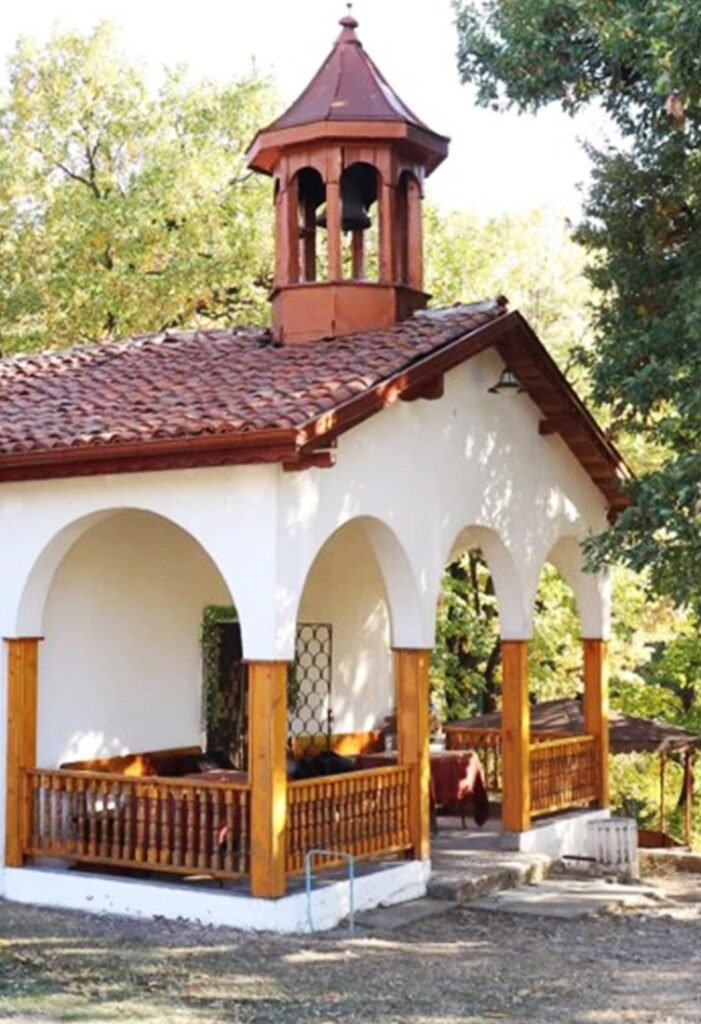
According to tradition, it is considered the oldest active monastery in Europe. It was founded in 344 by St. Athanasius, Archbishop of Alexandria. Saint Athanasius was born in 295 or 296 in Alexandria, Egypt, in a family of Christians. Excellently educated, he devoted himself to the study of the Holy Scriptures. Because of the virtues […]
Myrelaion Monastery
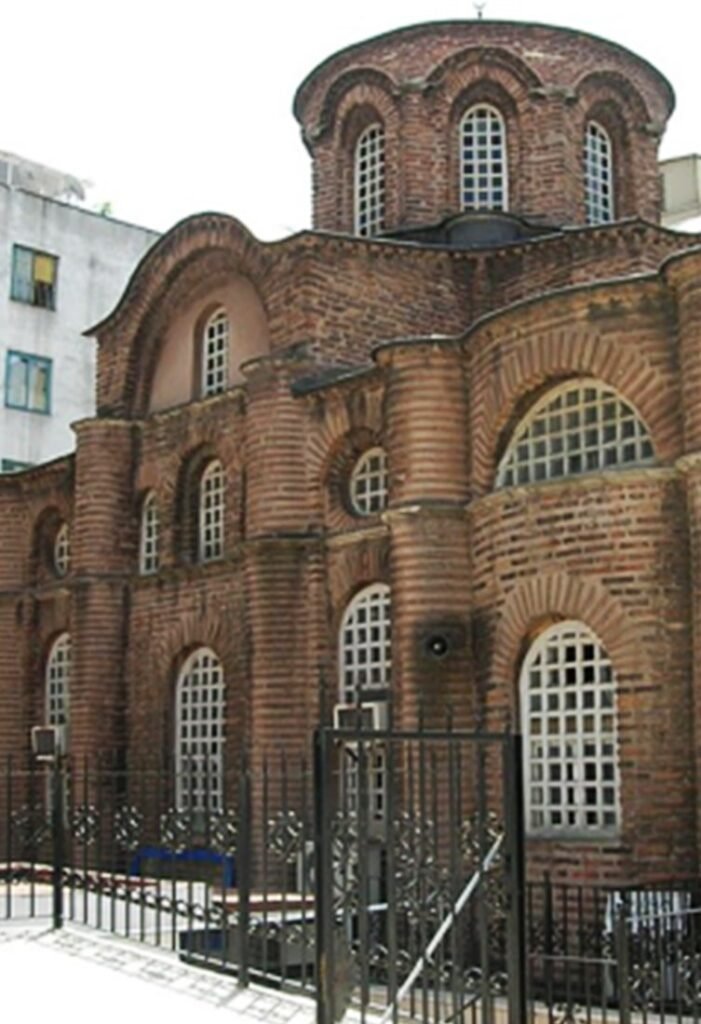
The Myrelaion monastery was founded on the premises of a palace which the future Emperor Romanos Lekapenos constructed in the place called Myrelaion (=»the place of myrrh») in Constantinople. The palace was built upon a huge 5th century rotunda with an external diameter of 41.8 metres. The rotunda was transformed into a cistern with the […]
Centro Arqueológico de L´Almoina
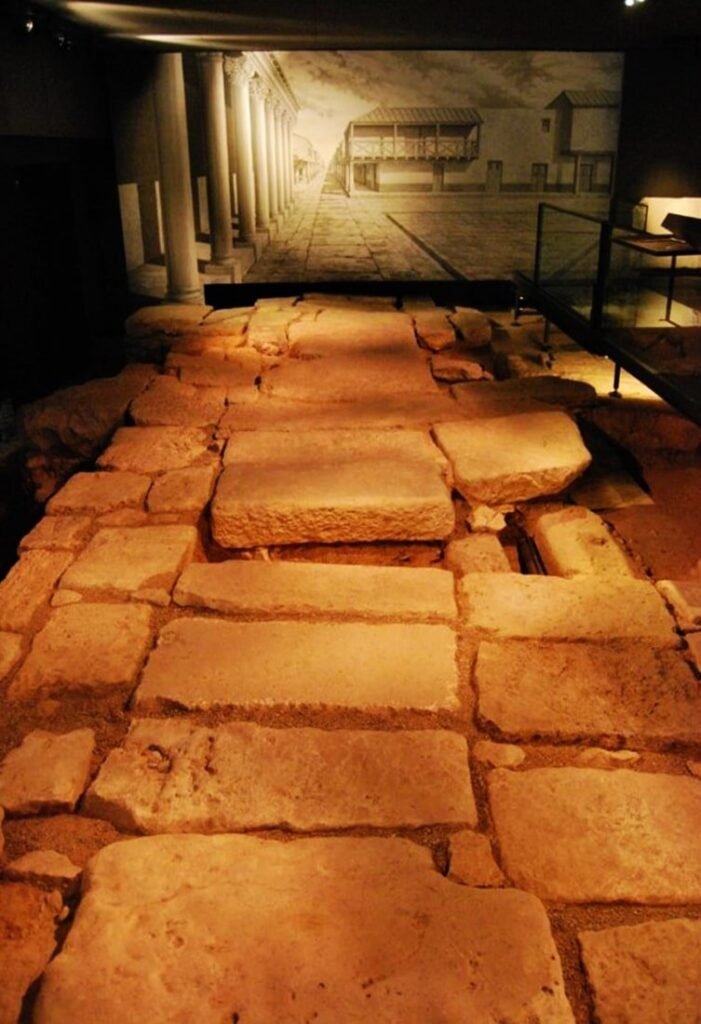
DESCRIPCIÓN Y ANÁLISIS FORMAL De los lugares de interés arqueológico de Valencia la zona de la plaza de l’Almoina es la más destacada, tanto por su riqueza, como por su estado de conservación. Conseguir su preservación ha sido un camino largo que ha concluido en un moderno centro acondicionado para los ciudadanos y visitantes. Está […]