

Nimes
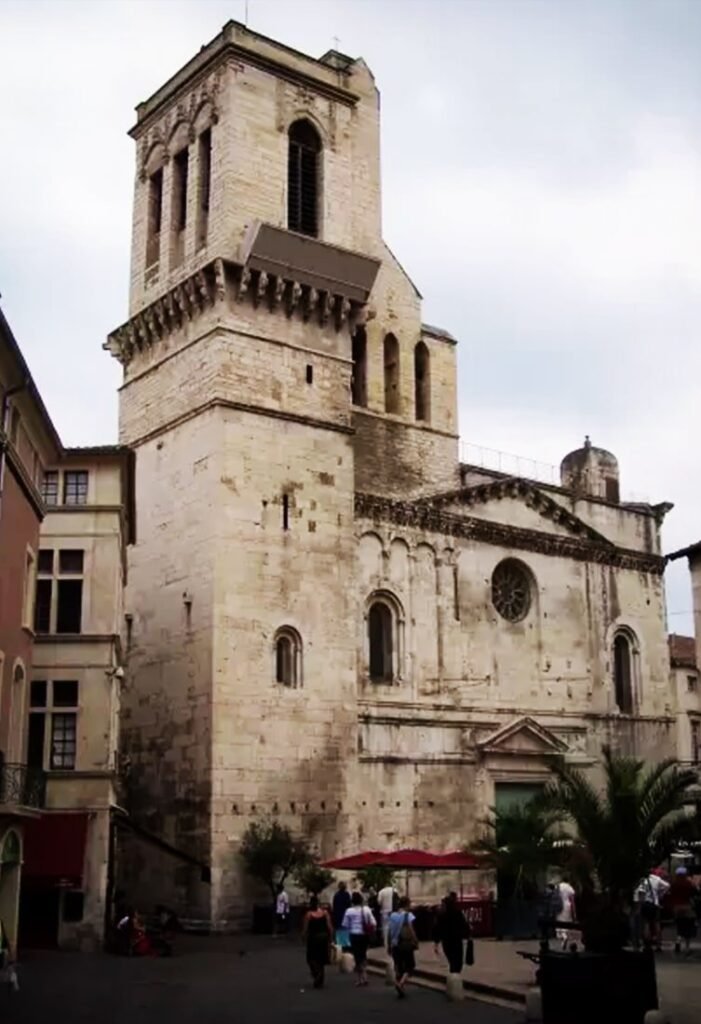
Localidad al SE de Francia, en el departamento de Languedoc-Rosellón, cuyp origen se encuentra en la abundancia de aguas y manantiales, a los que pronto se dedicó a Nemausus, hijo de Hércules. El pueblo de los Volcos Arecomini poblaron la zona y crearton un oppidum o poblado fortificado, que hacia el 120 a. C. fue […]
Andrew en te Krisei
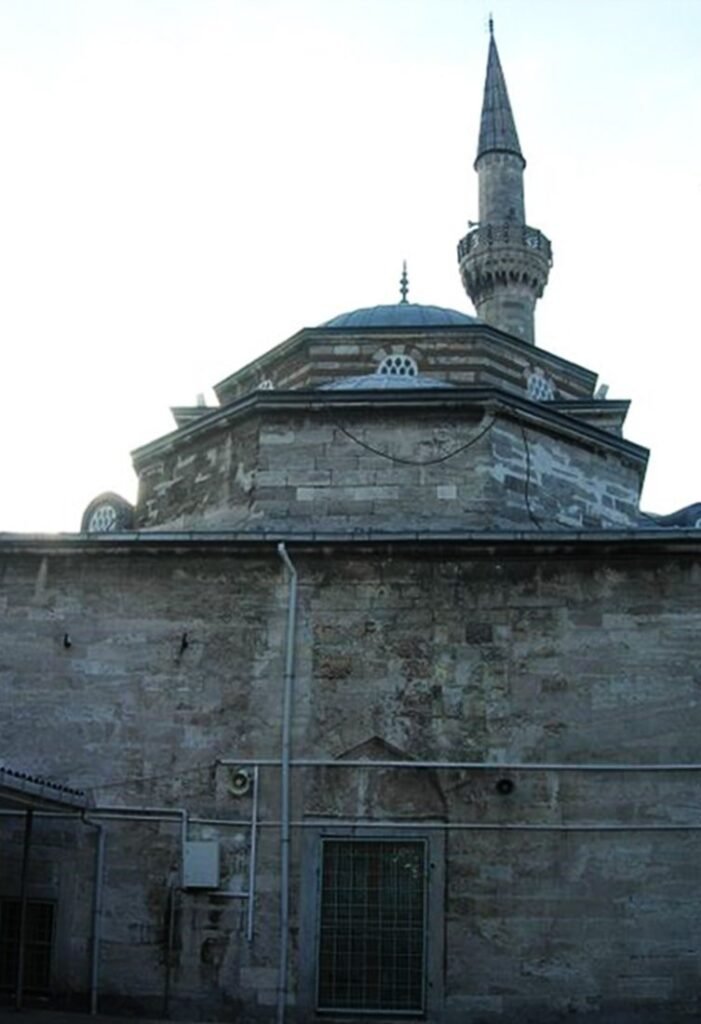
The monastery of Saint Andrew (the Apostle) was allegedly founded at early 5th century by Arcadia, sister of Emperor Theodosius II (r. 408–450) near the Gate of Saturninus in Constantinople. By 792 it was converted into a nunnery and after the end of Iconoclasm it was rededicated to Saint Andrew of Crete who was killed […]
Elegmoi Monastery
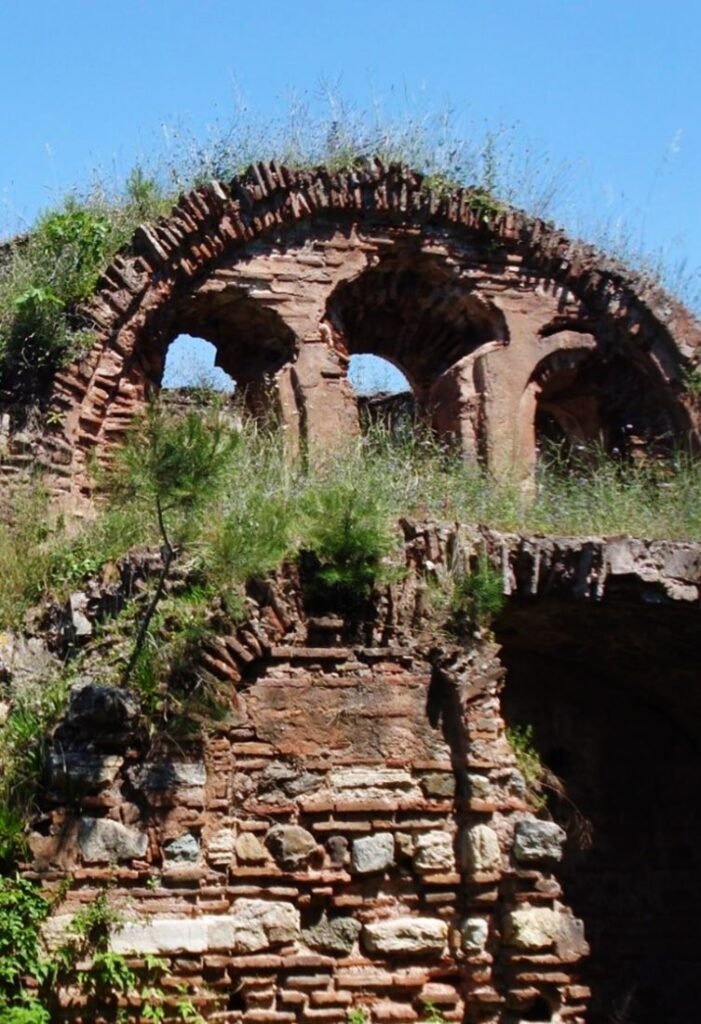
The Elegmoi Monastery is located near the modern village of Kurşunlu on the south coast of the Sea of Marmara. The existing structure, Aberkios Church, was its main church. The monastery was erected on a previous basilica from the 5th-6th centuries. Modern excavations revealed its existence on the north side of the present church. In […]
Kellibara Monastery
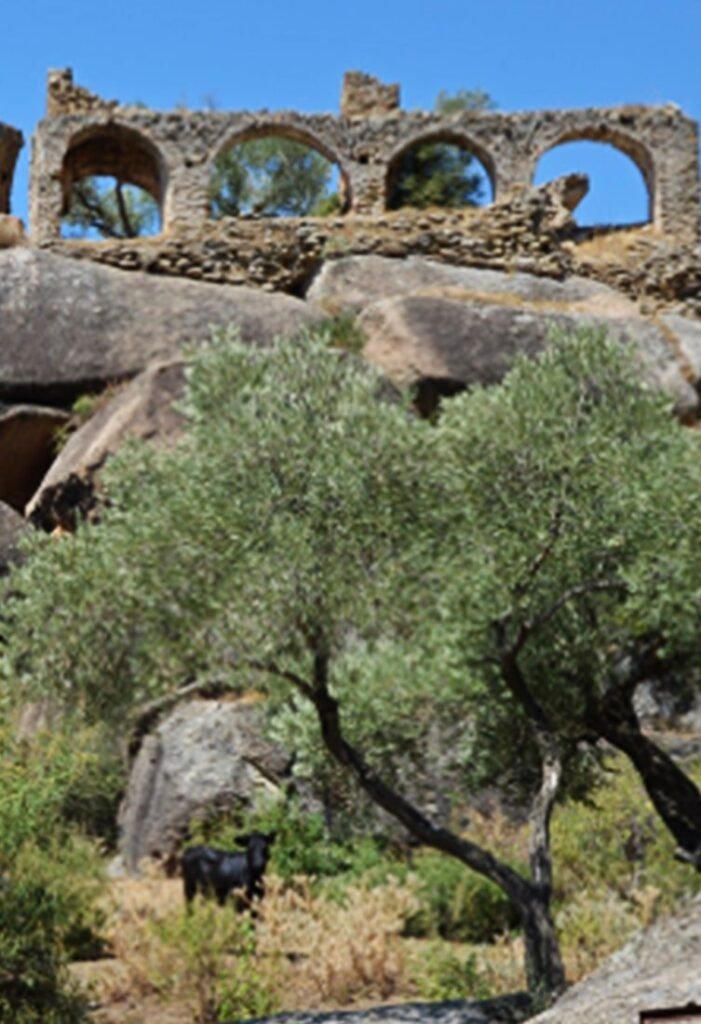
The Kellibara monastery is one of the most important foundations on Latmos (Latros), a monastic center in Caria, northeast of Miletos (Milet). The Latros monasteries are clustered on islands in the lake of Herakleia (Bafa Gölu) and on Mt. Latmos (modern Beşparmak). The first monasteries were allegedly founded in the 7th century by monks who […]
Saint Paul Monastery
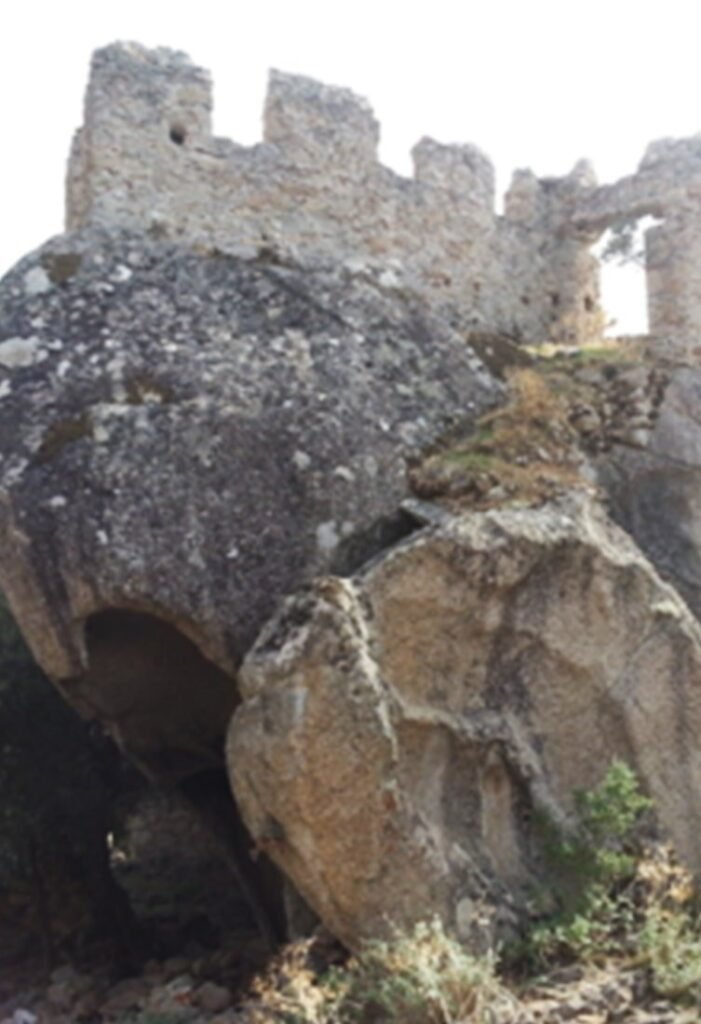
The Stylos Monastery (Arapavlı) lies between Bağırcık and the Kovanalan Plateau at a height of 740m. It was the most important among monasteries at Latmos (see also Kellibara). It was built in the 10th century during the lifetime of Saint Paul the Younger around the Stylos, that is the rock, on which he lived as […]
Monastery of Saint John of Pelekete
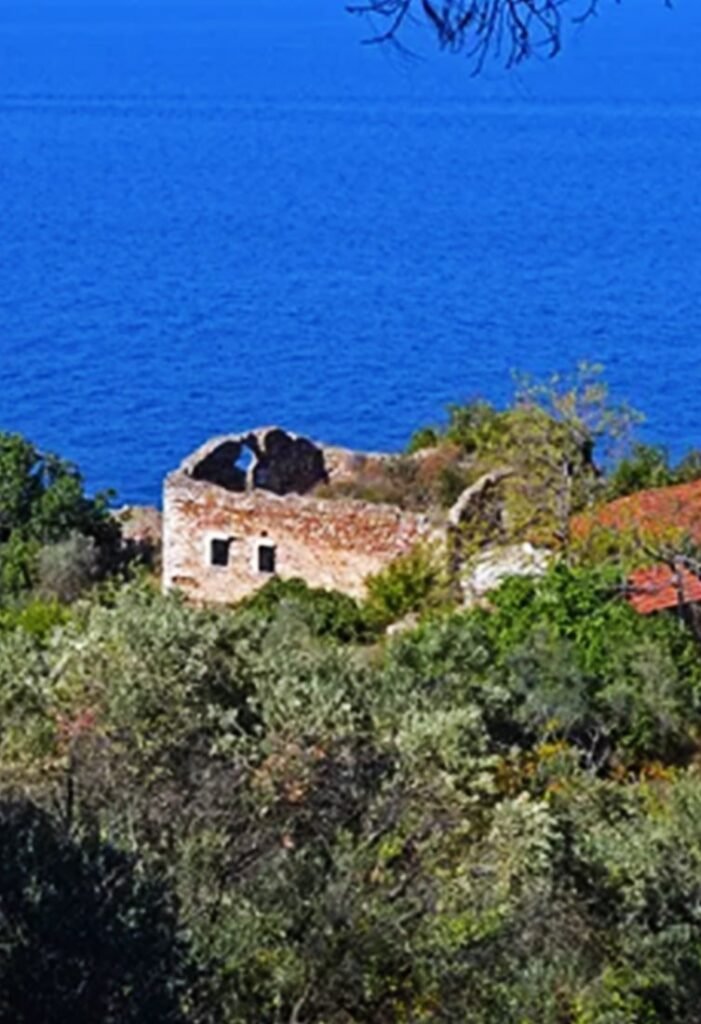
The Monastery of St. John is located ca 5 kilometers west of Trigleia on the south coast of the Sea of Marmara. It is also known as Pelekete which means “carved” probably to it being constructed upon a steep rock. Its foundation should be dated before the middle of the eighth century, as at that […]
Panagia Chrysokephalos
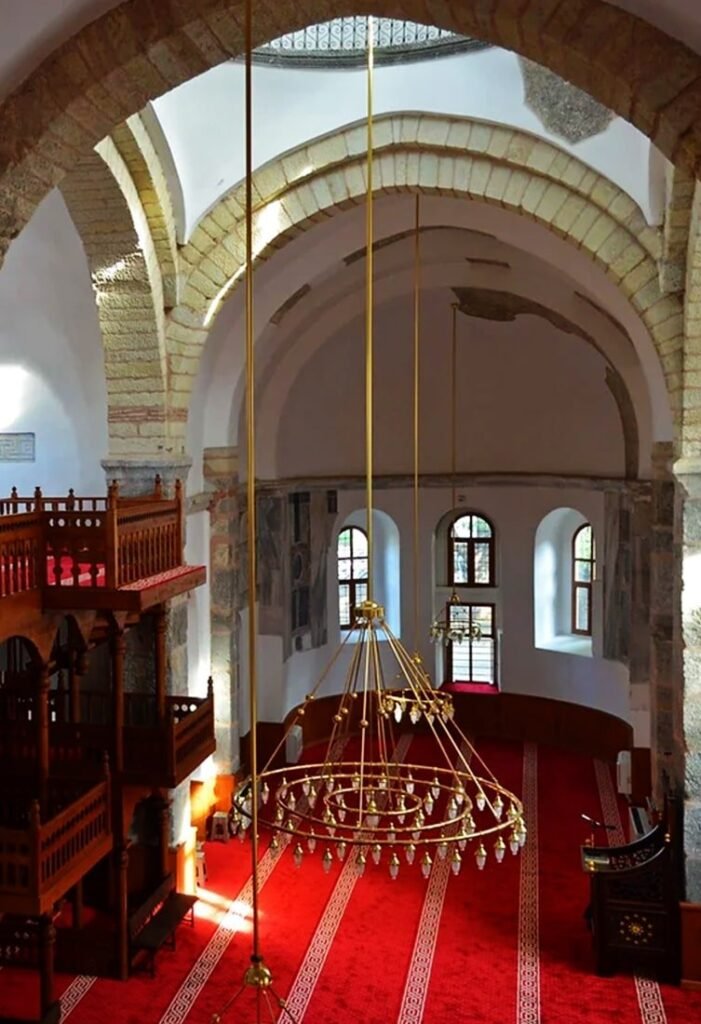
DESCRIPTION AND FORMAL ANALYSIS The Panagia Chrysokephalos Church (Greek Παναγία Χρυσοκέφαλος, «Panagia the Golden-Headed»), serving as both the catholicon for the see of Trebizond, and a church for a monastery. It was built sometime in the 10th or 11th century. After Ottoman conquest of the city in 1461, the building became a mosque. During the […]
Saint Anna
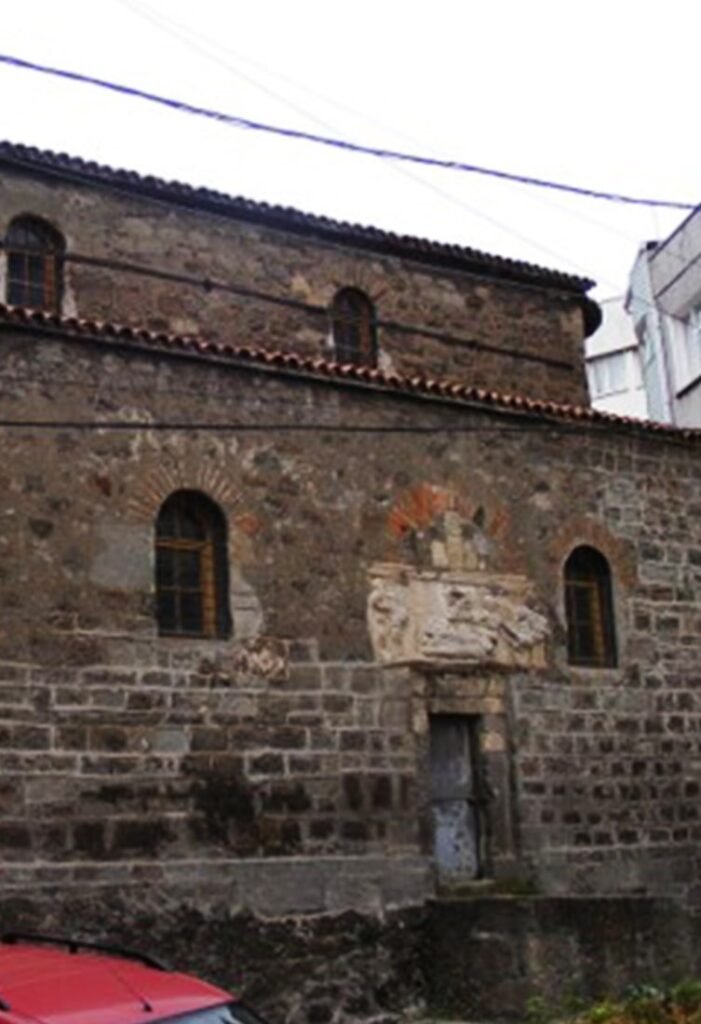
DESCRIPTION AND FORMAL ANALYSIS Saint Anne of Trebizond (today Trabzon) is one of the oldest known surviving churches in Trabzon. It is built outside the city’s walls and is situated in the eastern part of the city, less than 100m south of Saint Basil. Saint Anne was one of the churches in the parish of […]
Centro Arqueológico de L´Almoina
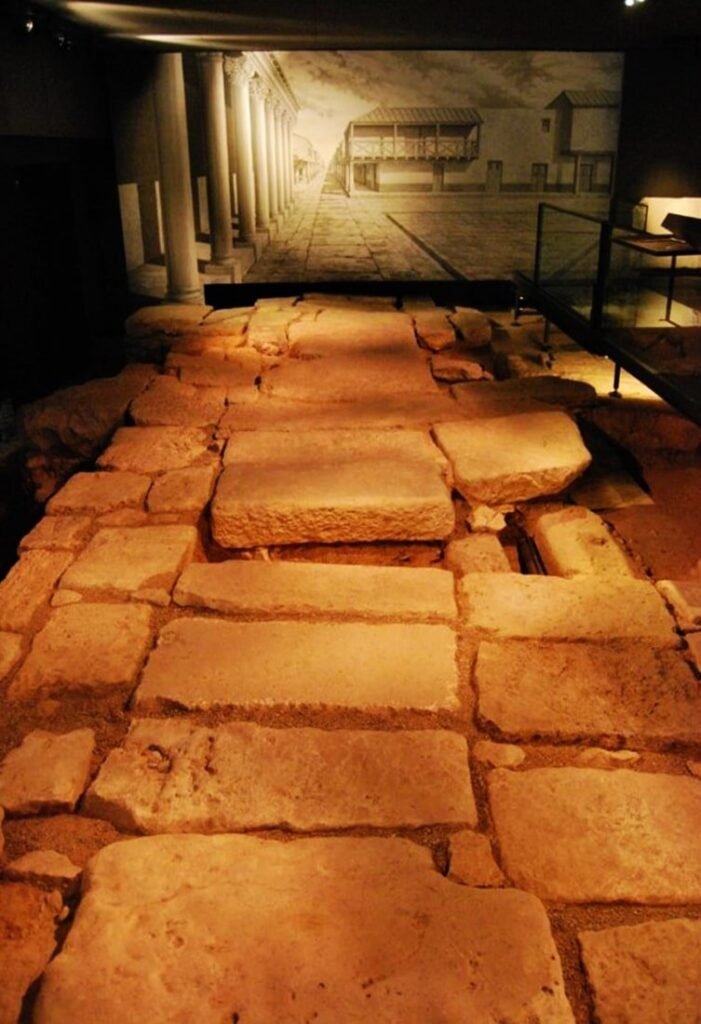
DESCRIPCIÓN Y ANÁLISIS FORMAL De los lugares de interés arqueológico de Valencia la zona de la plaza de l’Almoina es la más destacada, tanto por su riqueza, como por su estado de conservación. Conseguir su preservación ha sido un camino largo que ha concluido en un moderno centro acondicionado para los ciudadanos y visitantes. Está […]
Yacimiento Arqueológico de Oreto-Zuqueca
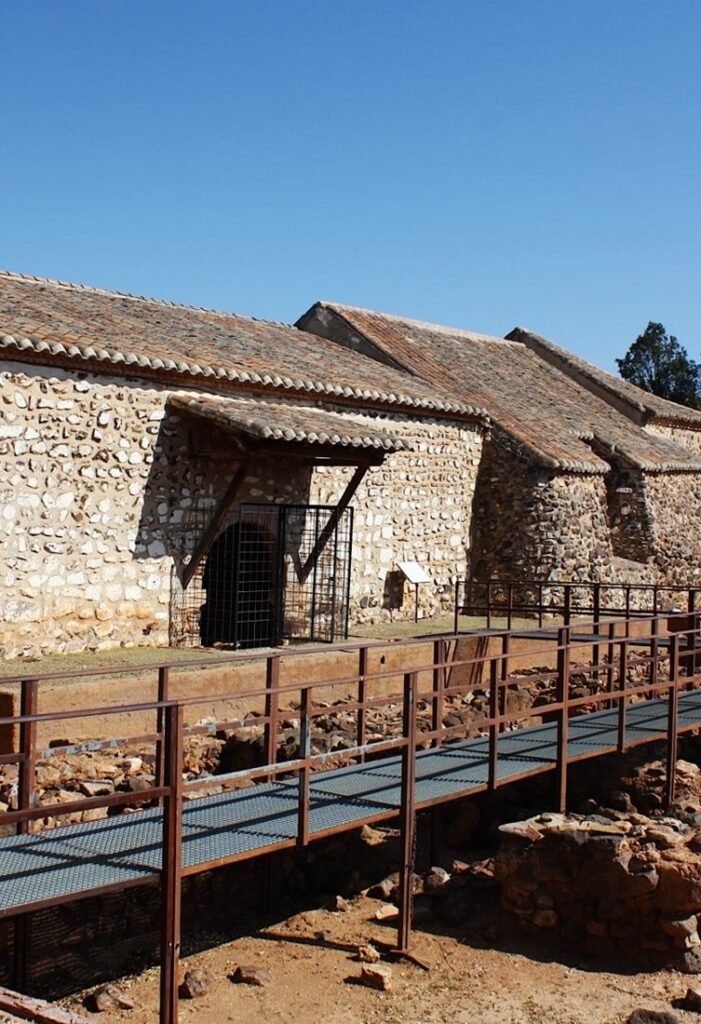
DESCRIPCIÓN Y ANÁLISIS FORMAL Es un amplio complejo arqueológico, Oreto-Zuqueca, que se extiende por el Cerro del Obispo y el Cerro de Oreto o Domínguez, además de por la vaguada entre ellos. Se localiza a poco más de 4 km al sureste de Granátula de Calatrava. En el Cerro de Oreto hay murallas, torres, calles, […]