

Monastery of Saint John of Pelekete
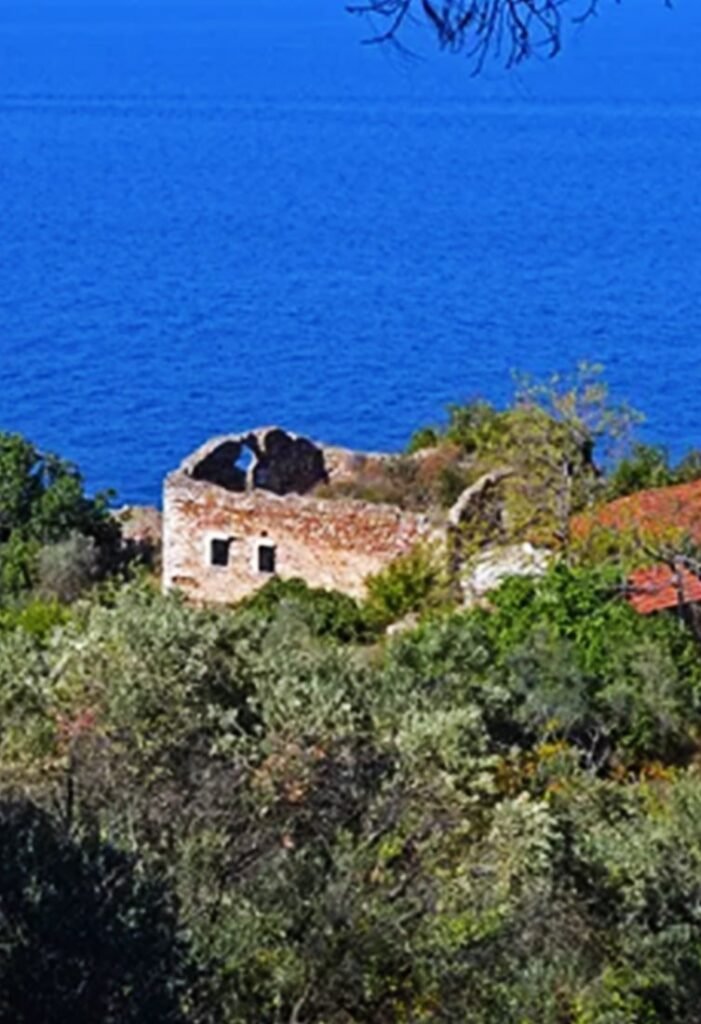
The Monastery of St. John is located ca 5 kilometers west of Trigleia on the south coast of the Sea of Marmara. It is also known as Pelekete which means “carved” probably to it being constructed upon a steep rock. Its foundation should be dated before the middle of the eighth century, as at that […]
Hagia Sophia
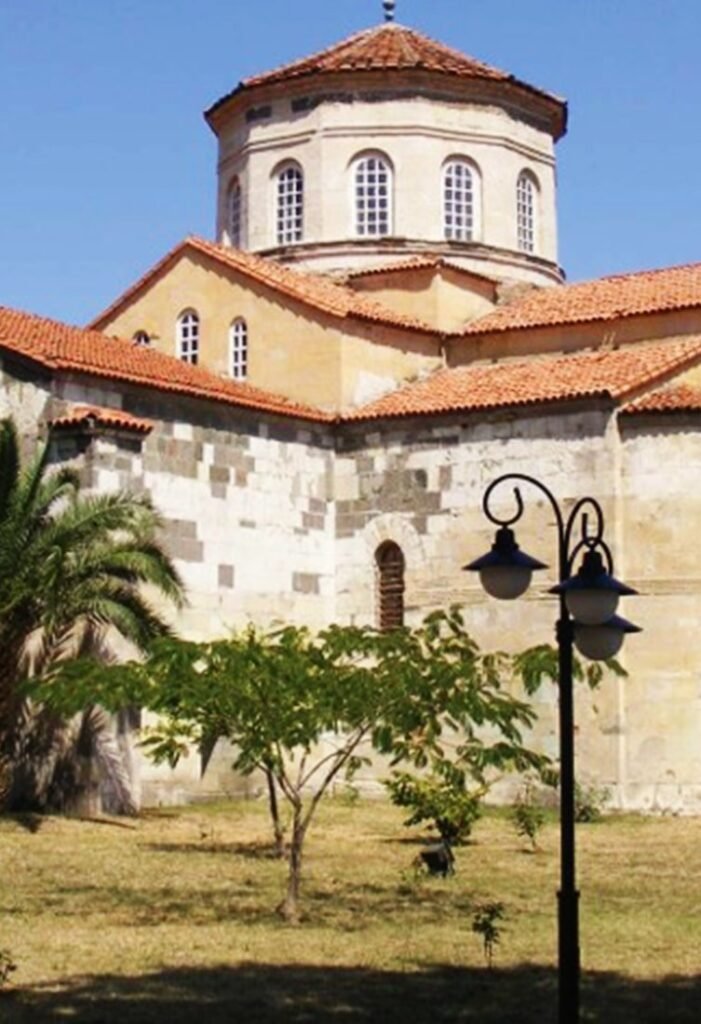
DESCRIPTION AND FORMAL ANALYSIS Hagia Sophia was built in Trebizond during the reign of Manuel I between 1238 and 1263. The oldest graffiti carved in the apses of the church contain the dates 1291 and 1293. After Mehmed II conquered the city in 1461, the church was possibly converted into a mosque and its frescos […]
Panagia Chrysokephalos
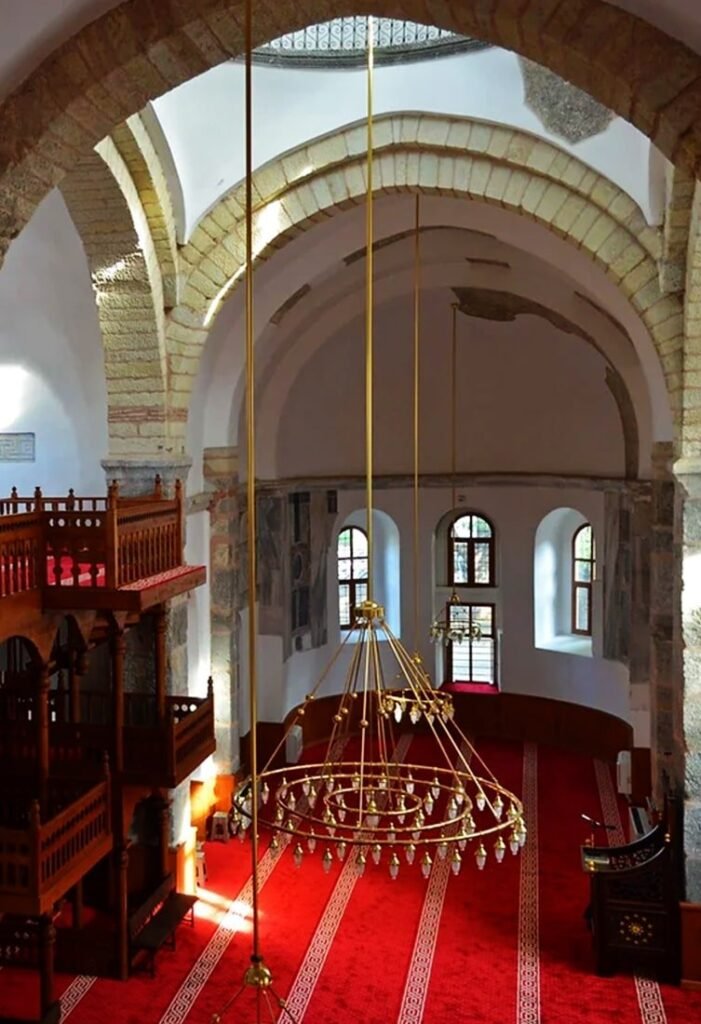
DESCRIPTION AND FORMAL ANALYSIS The Panagia Chrysokephalos Church (Greek Παναγία Χρυσοκέφαλος, «Panagia the Golden-Headed»), serving as both the catholicon for the see of Trebizond, and a church for a monastery. It was built sometime in the 10th or 11th century. After Ottoman conquest of the city in 1461, the building became a mosque. During the […]
Saint Anna
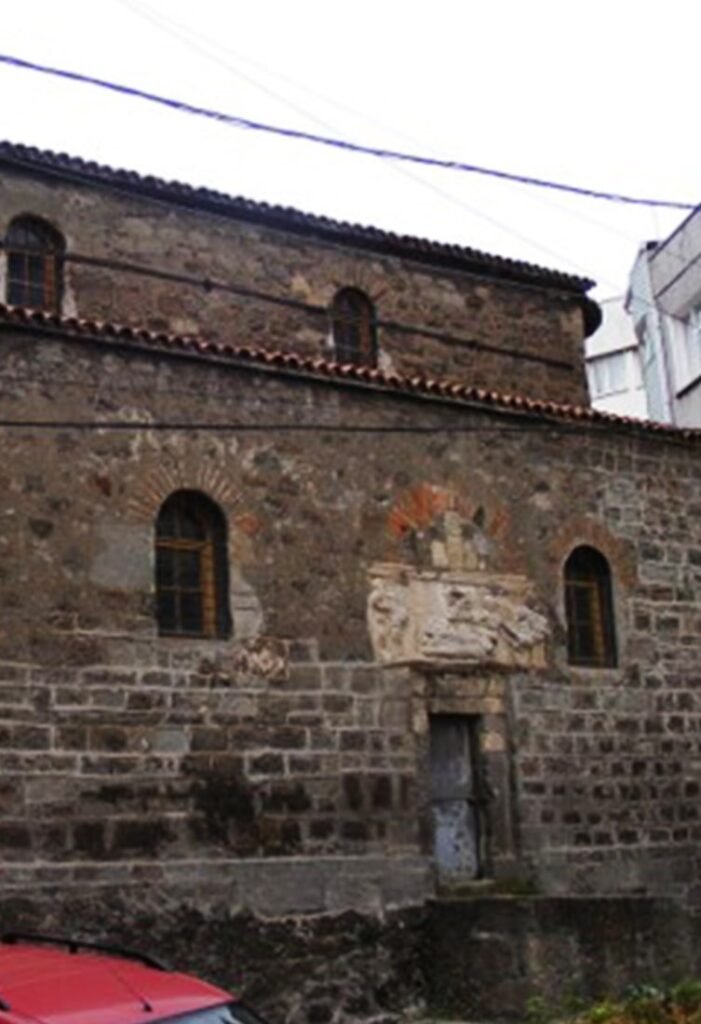
DESCRIPTION AND FORMAL ANALYSIS Saint Anne of Trebizond (today Trabzon) is one of the oldest known surviving churches in Trabzon. It is built outside the city’s walls and is situated in the eastern part of the city, less than 100m south of Saint Basil. Saint Anne was one of the churches in the parish of […]
Saint Eugenios
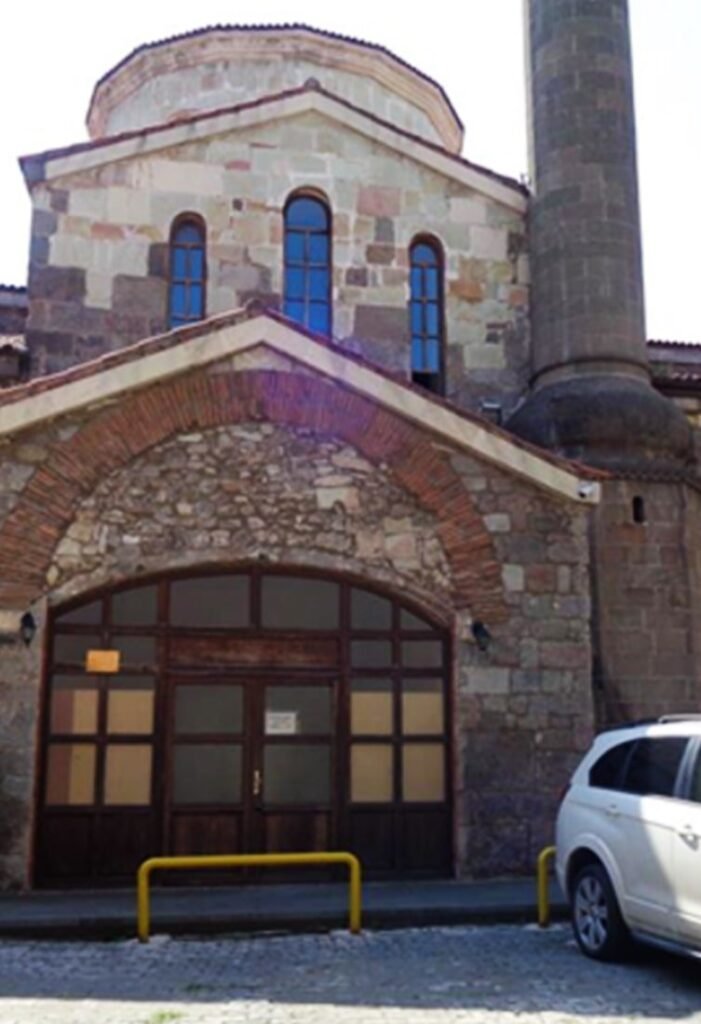
DESCRIPTION AND FORMAL ANALYSIS The church of Saint Evgenios (Yeni Camii) of Trebizond is a magnificent church which once represented the center of the city’s ecclesiastic, ethnic and cultural life. When the Turks seized Trebizond in 1461, Sultan Mehmet II re-named it Yeni Cuma Camii (New Friday Mosque) because it was here that the conqueror […]
Centro Arqueológico de L´Almoina
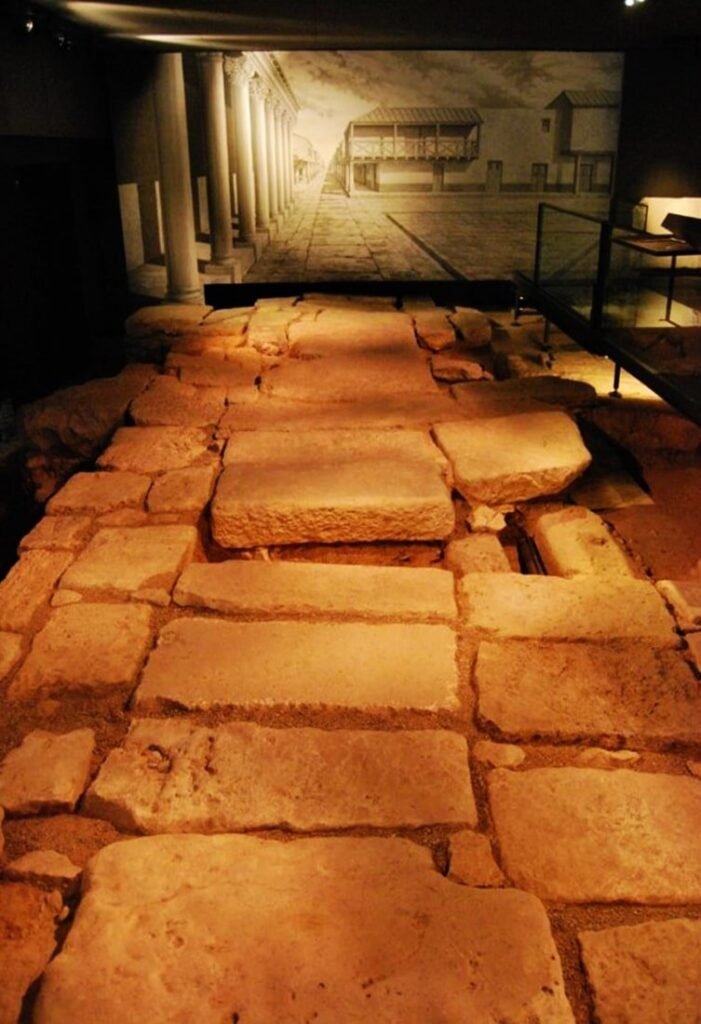
DESCRIPCIÓN Y ANÁLISIS FORMAL De los lugares de interés arqueológico de Valencia la zona de la plaza de l’Almoina es la más destacada, tanto por su riqueza, como por su estado de conservación. Conseguir su preservación ha sido un camino largo que ha concluido en un moderno centro acondicionado para los ciudadanos y visitantes. Está […]
Yacimiento Arqueológico de Oreto-Zuqueca
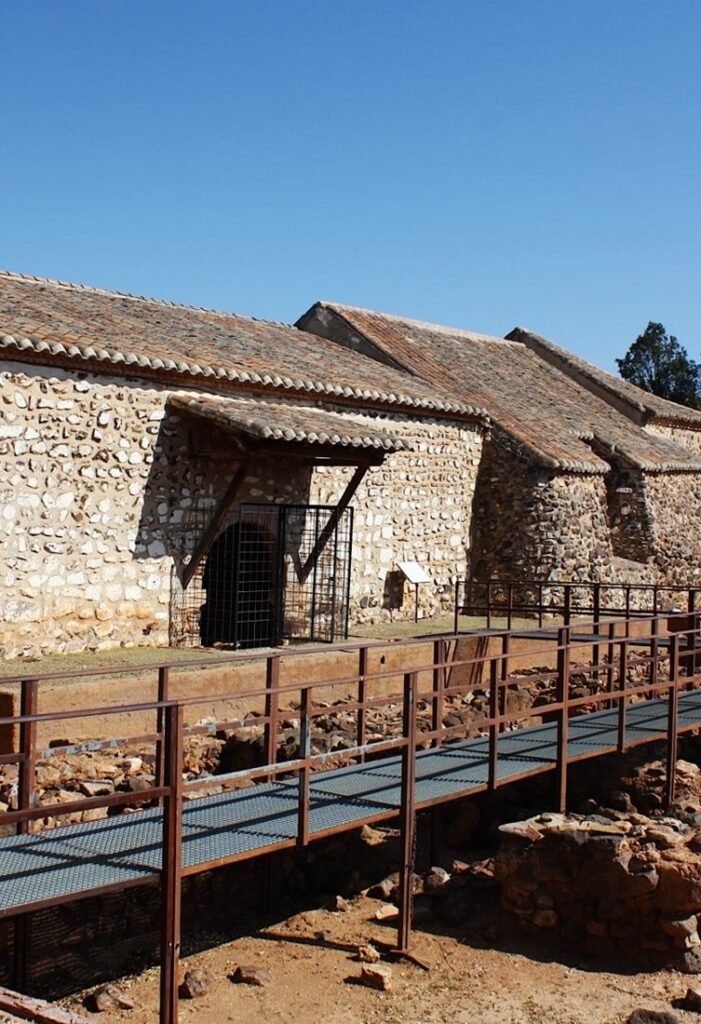
DESCRIPCIÓN Y ANÁLISIS FORMAL Es un amplio complejo arqueológico, Oreto-Zuqueca, que se extiende por el Cerro del Obispo y el Cerro de Oreto o Domínguez, además de por la vaguada entre ellos. Se localiza a poco más de 4 km al sureste de Granátula de Calatrava. En el Cerro de Oreto hay murallas, torres, calles, […]
Agde
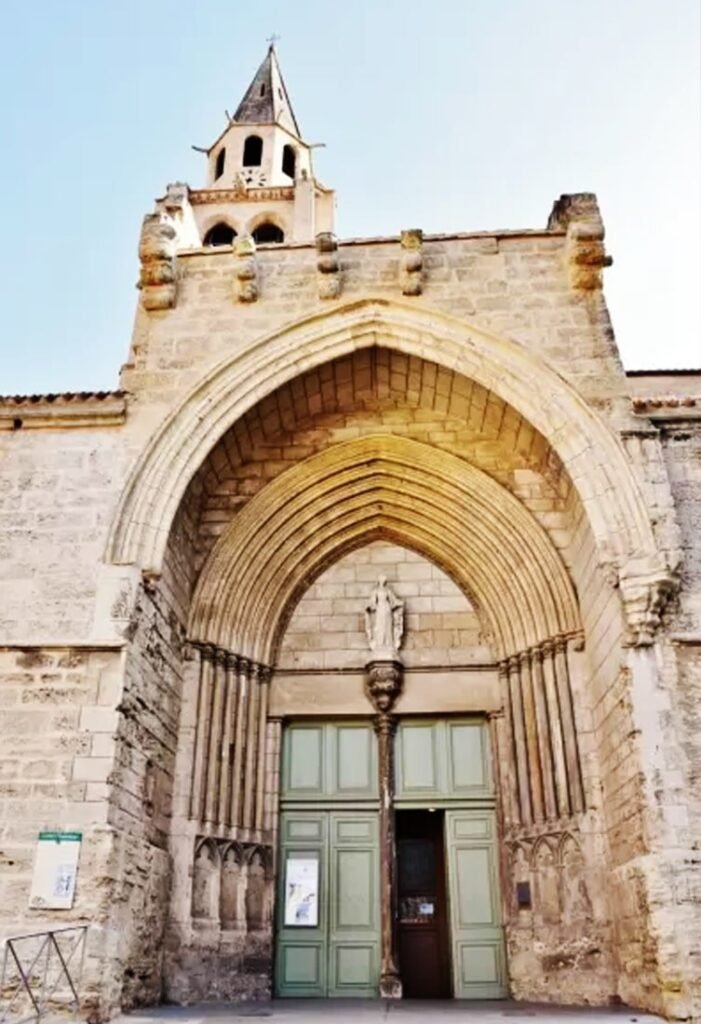
La localidad de Agdé pertenece al Departamento de Hérault y a la región de Occitania. Se encuentra en la costa mediterránea francesa. La zona ya estuvo poblada desde la Prehistoria. De la Edad del Bronce se han localizado varios yacimientos como Montpenèche o La Motte y de la Edad del Hierro como Peyrou o Busquet. […]
Eremitorio Rupestre de la Mezquita de Busquístar
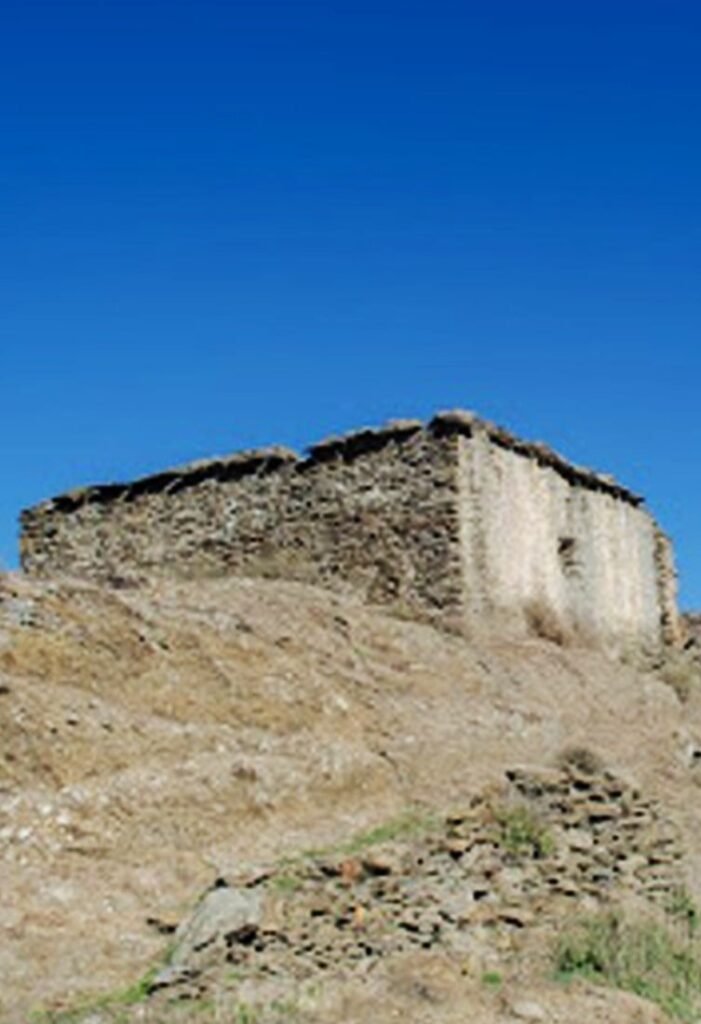
En el paraje conocido como “La Mezquita”, en el término municipal de Busquístar (Granada), se conserva un antiguo asentamiento rupestre identificado como mozárabe y datado entre los siglos VIII al XIV. No obstante, en el estudio realizado por M. Riu, se indica que sólo por la cerámica documentada, común a cristianos, judíos y musulmanes, no […]
San Fruttuoso di Capodimonte
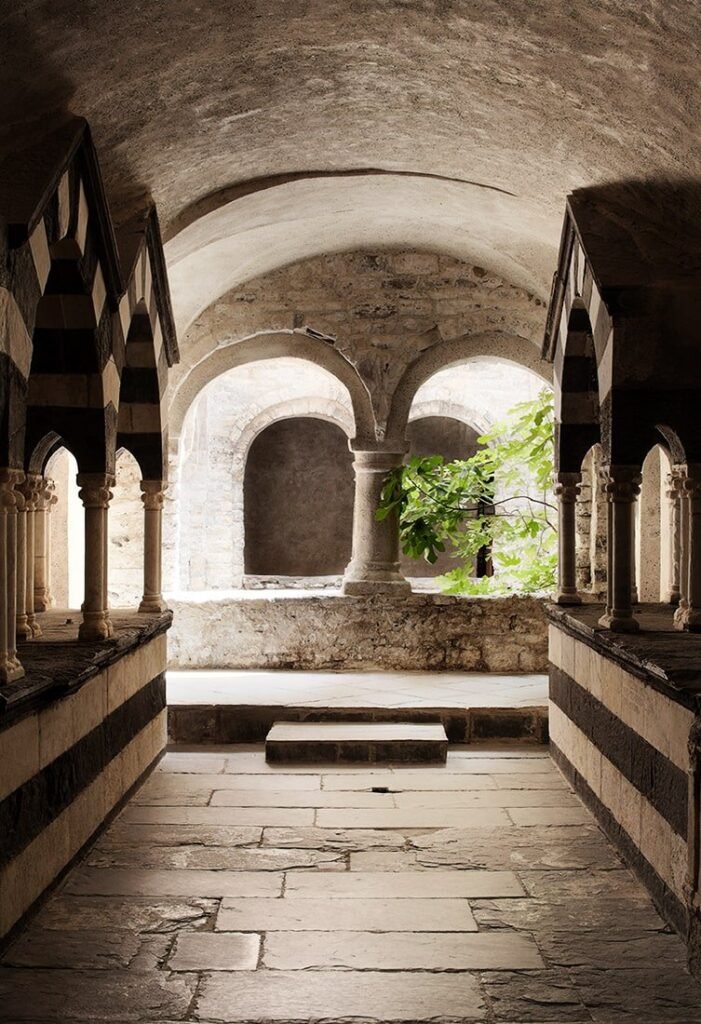
L’abbazia sorge nell’omonima baia, all’interno del parco terrestre e marino del monte di Portofino, attorniata da un borgo quasi disabitato nei mesi invernali. La prima chiesa venne edificata, secondo la tradizione, nel 711 dal vescovo di Tarragona Prospero, qui riparato dopo l’invasione araba della Spagna, per deporvi le reliquie di san Fruttuoso, martire del secolo […]