

The Benedictine Monastery St. Burkard
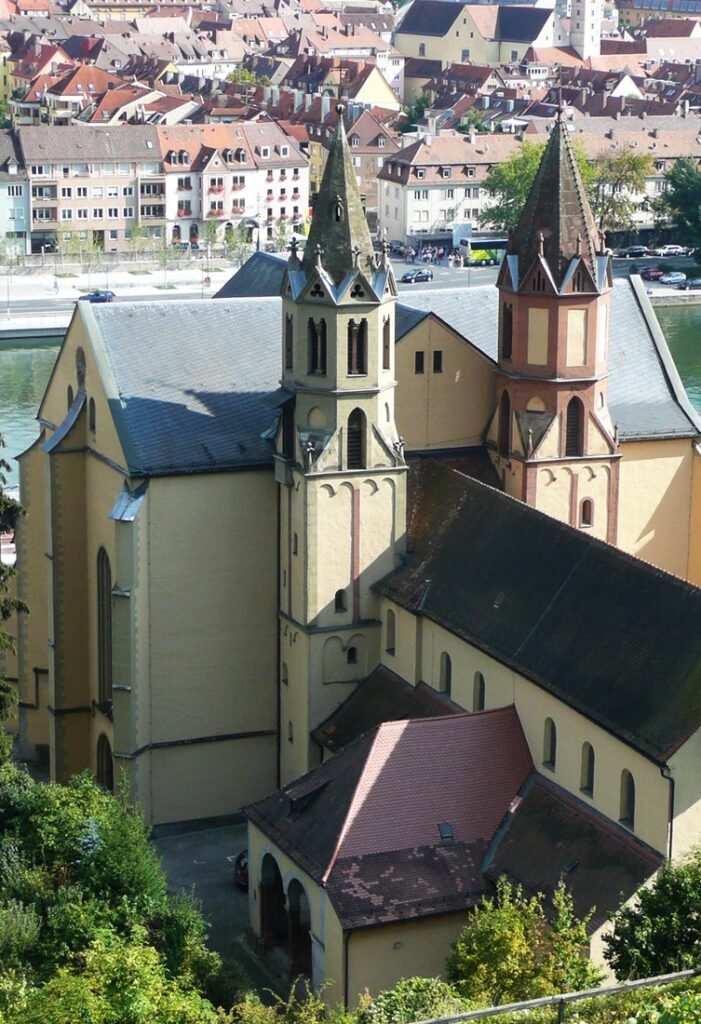
The Benedictine Abbey St. Burkard in Würzburg has its origin in the Andreas Monastery which was founded in 748 by St. Burkard, the first bishop of Würzburg. Over the course of the 10th century, the impoverished Benedictine monastery was abandoned until it was rebuilt and revived by Bishop Hugo in 986. Similtaneously, the monastery also […]
The Benedictine Abbey of St. Emmeram in Regensburg
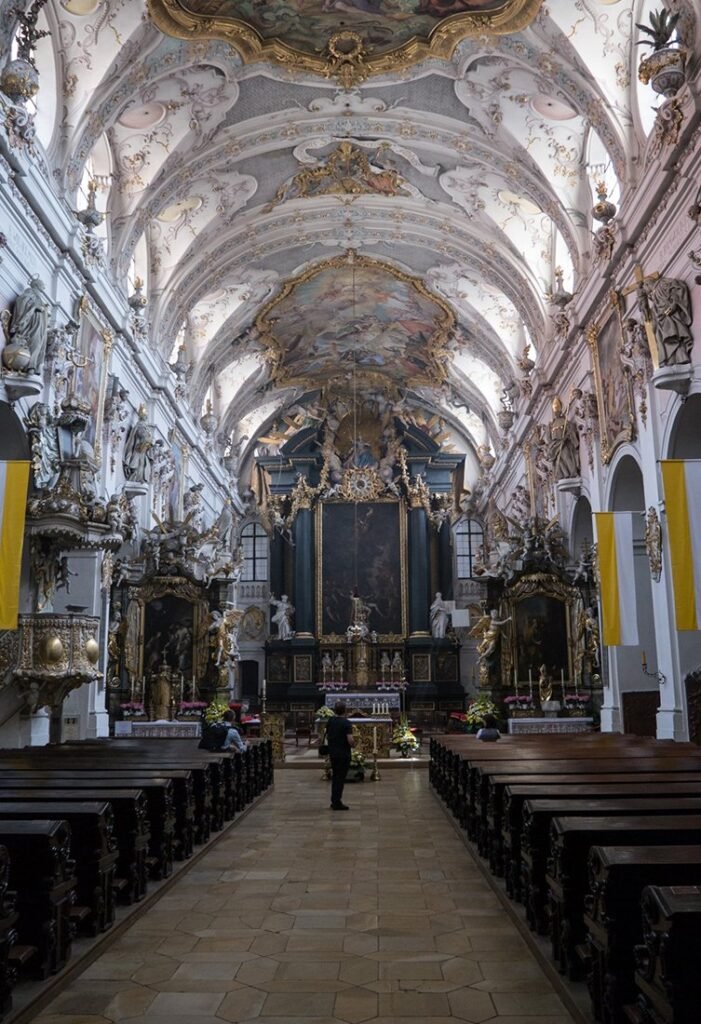
The monastery of St. Emmeram is situated within the old center of Regensburg in the province of Bavaria. Regensburg can trace its history back to antiquity, when it was founded as a fortress for the Roman Legio III Italica in 170. Soon after, a civilian municipality was founded just westwards from the fortress. During the […]
Benedictine Monastery of Seligenstadt
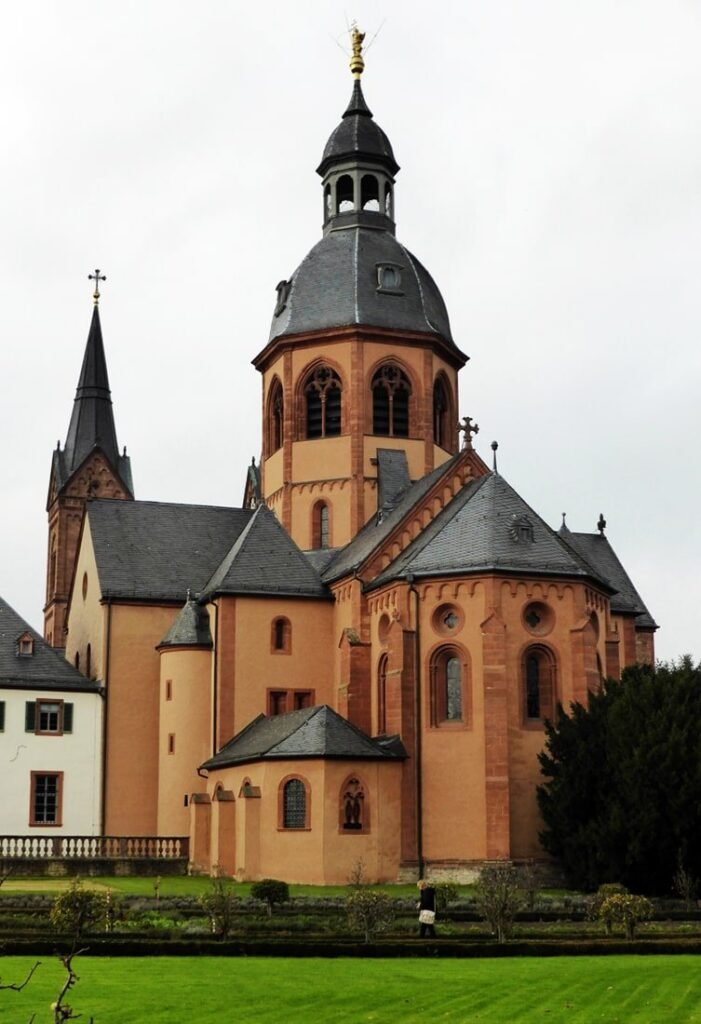
The monastery, founded in 828, is surrounded by a huge garden, which has been originally designed by the founder himself. In the middle ages this garden was used to produce plants for the population arround the monastery. The monastery consists of a main buildiung, which is divided into two parallel sections surrounding an inner court. […]
Hirsau Abbey
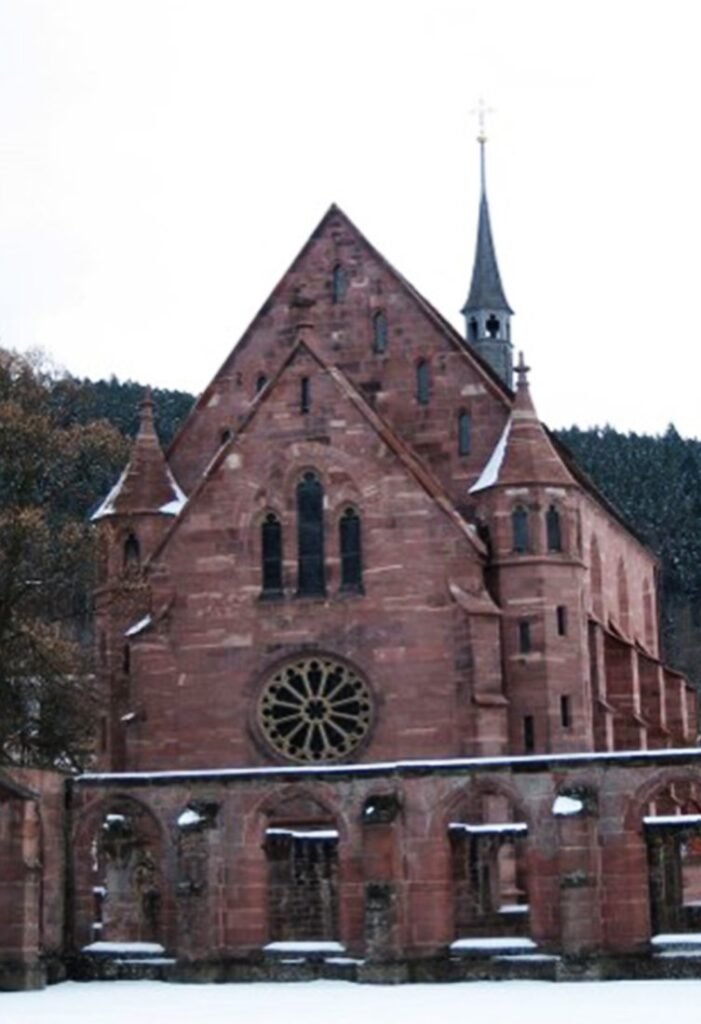
DESCRIPTION AND FORMAL ANALYSIS The history of Hirsau Abbey begins around the year 830, when Bishop Noting of Vercelli brought the bones of St. Aurelius to Hirsau. Erlafried of Calw, a relative of Bishop Noting who had possessions in the area, ordered the construction of St. Aurelius I in the form of a small hall […]
St. Matthias Abbey
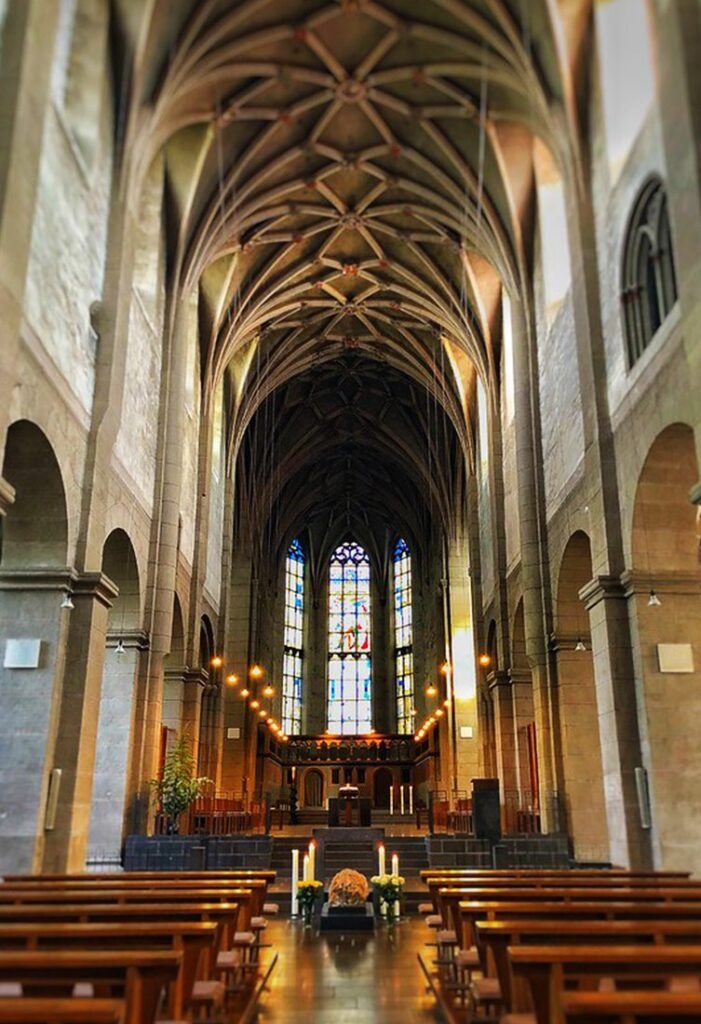
St. Matthias‘ Abbey is a monastery in Trier (Treveris), Rhineland-Palatinate. The abbey has its roots in the mid-5th century, when it was built by Cyrillus, the bishop of Trier, to honor the founders of the archdiocese of Trier, Eucharius and Valerius. That is why the monastery was originally called St. Eucharius‘ Abbey. The bones of […]
Saint Vitus Monastery of Ellwangen
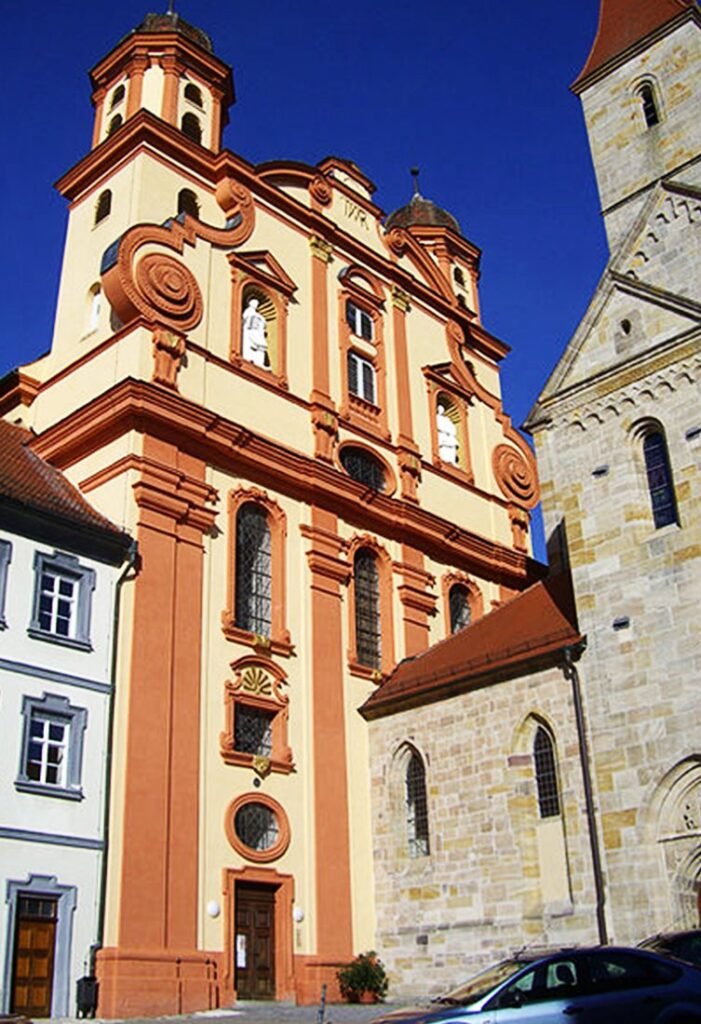
The town of Ellwangen, belonging to the province of Badem-Würrtemberg in the south of Germany, is situated mostly on the eastern bank of the river Jagst, which in turn flows through the manifold forested hills of the broader ‚Schwäbisch-Fränkische Waldberge‘. Though in modern days, the Jagst‘s course has been straightened to the demands of civilization […]
St. Athanasius Monastery
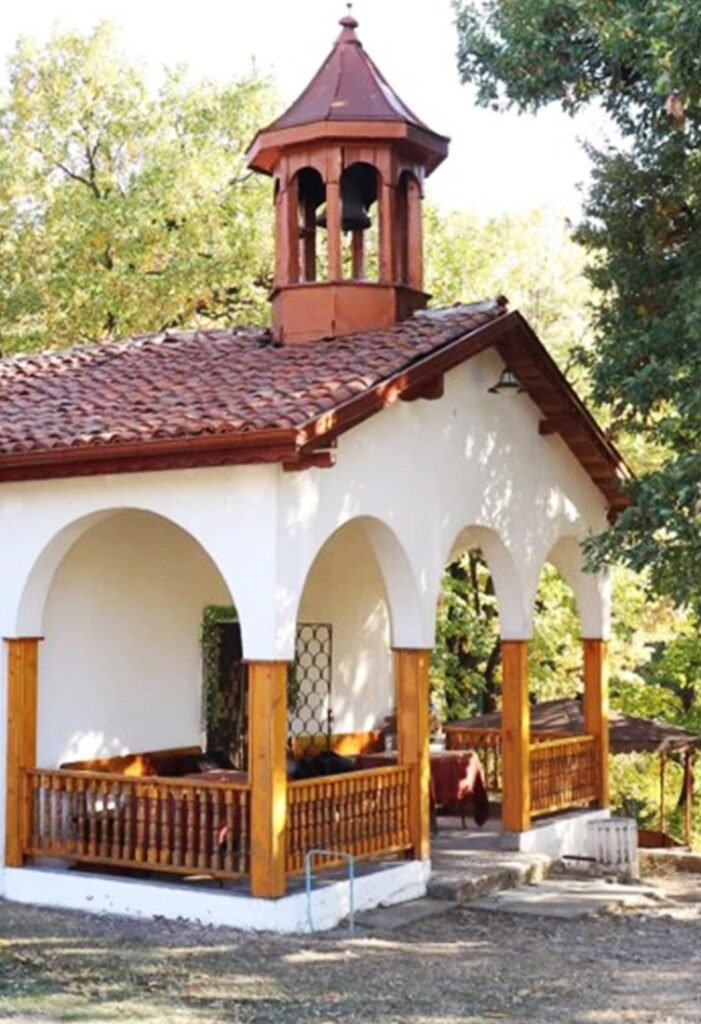
According to tradition, it is considered the oldest active monastery in Europe. It was founded in 344 by St. Athanasius, Archbishop of Alexandria. Saint Athanasius was born in 295 or 296 in Alexandria, Egypt, in a family of Christians. Excellently educated, he devoted himself to the study of the Holy Scriptures. Because of the virtues […]
Lectoure
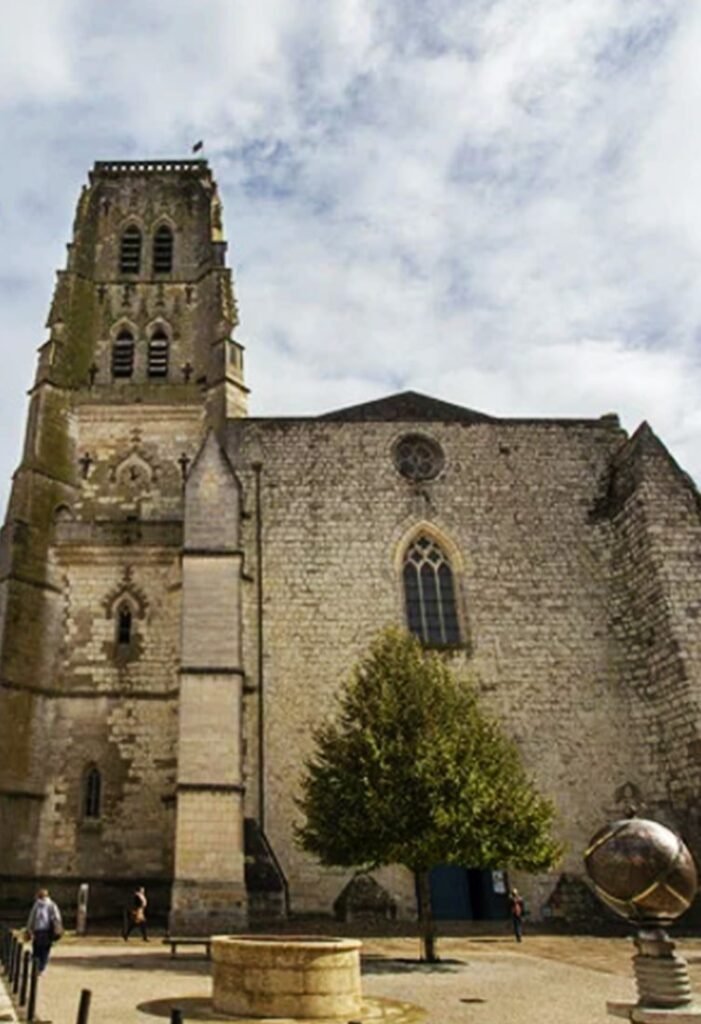
Lectoure es una comuna del distrito de Gers, provincia de Occitania (antes de 2016, Mediodía-Pirineos). Es una ciudad termal, situada sobre un espolón rocoso rodeado por murallas medievales, con la catedral dedicada a los santos Gervasio y Protasio, las ruinas del castillo, antiguo palacio de los condes de Armagnac, la fuente de Diana, el antiguo […]
Anfiteatro de Nimes
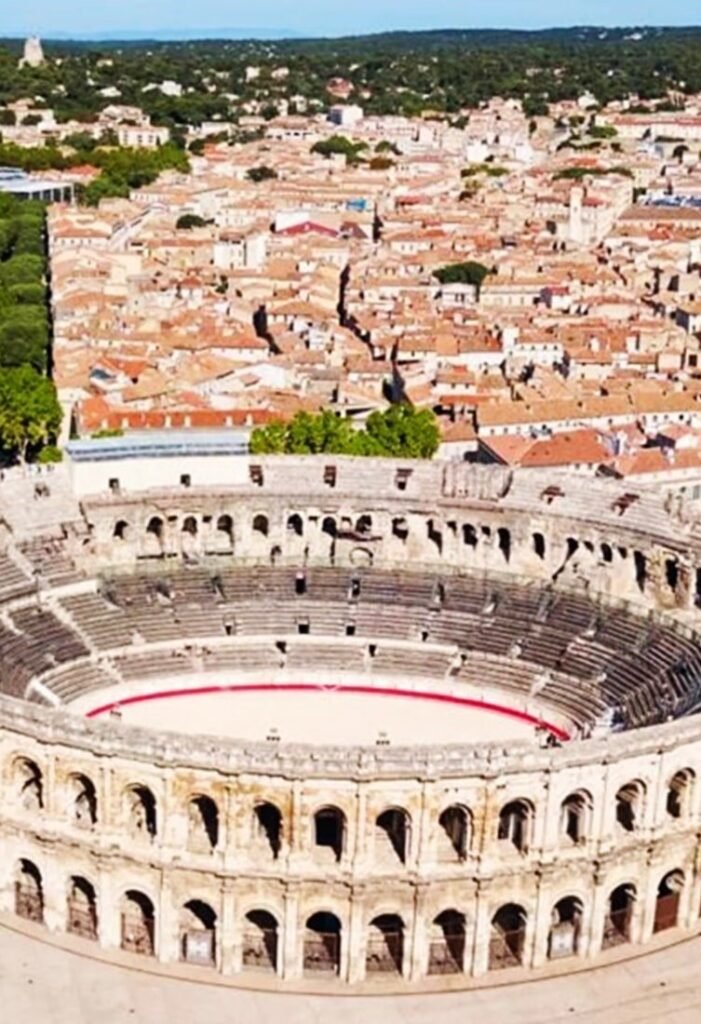
El anfiteatro de Nimes, denominado Les Arènes es uno de los edificios romanos conservados en Nimes, localidad que pertenece al departamento de Gard y a la región de Occitania (antes de 2016 Languedoc-Rosellón). La ciudad tiene un origen celta, perteneciendo a la tribu de los Volcos Arecomici, pero pasaría al dominio romano de forma pacífica, […]
Nimes
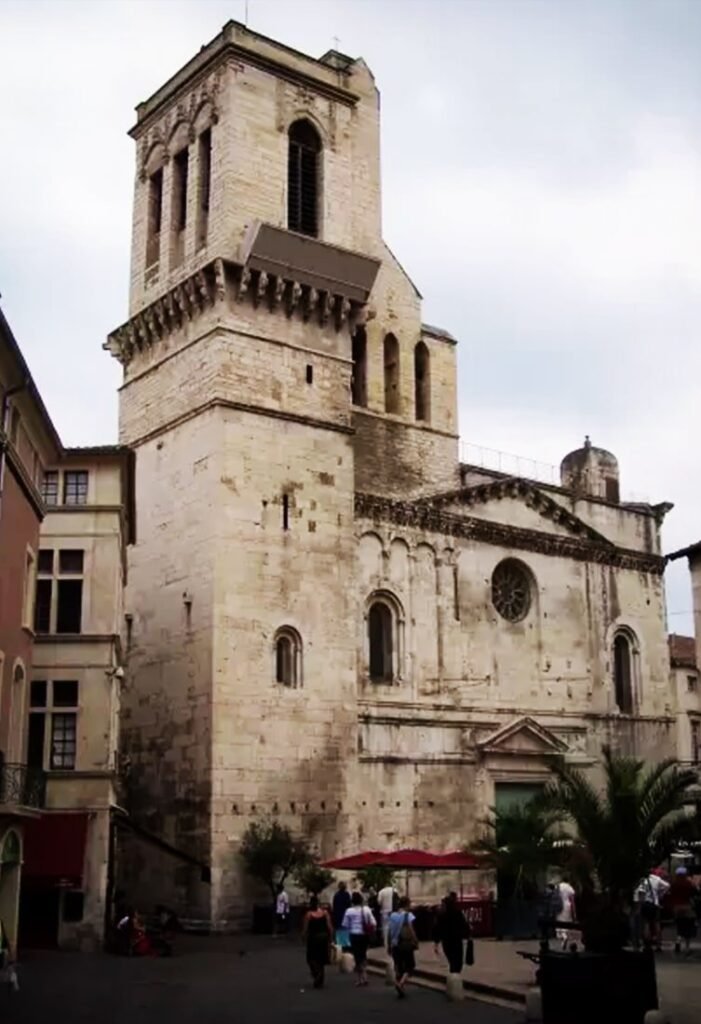
Localidad al SE de Francia, en el departamento de Languedoc-Rosellón, cuyp origen se encuentra en la abundancia de aguas y manantiales, a los que pronto se dedicó a Nemausus, hijo de Hércules. El pueblo de los Volcos Arecomini poblaron la zona y crearton un oppidum o poblado fortificado, que hacia el 120 a. C. fue […]