
Saint Vitus Monastery of Ellwangen
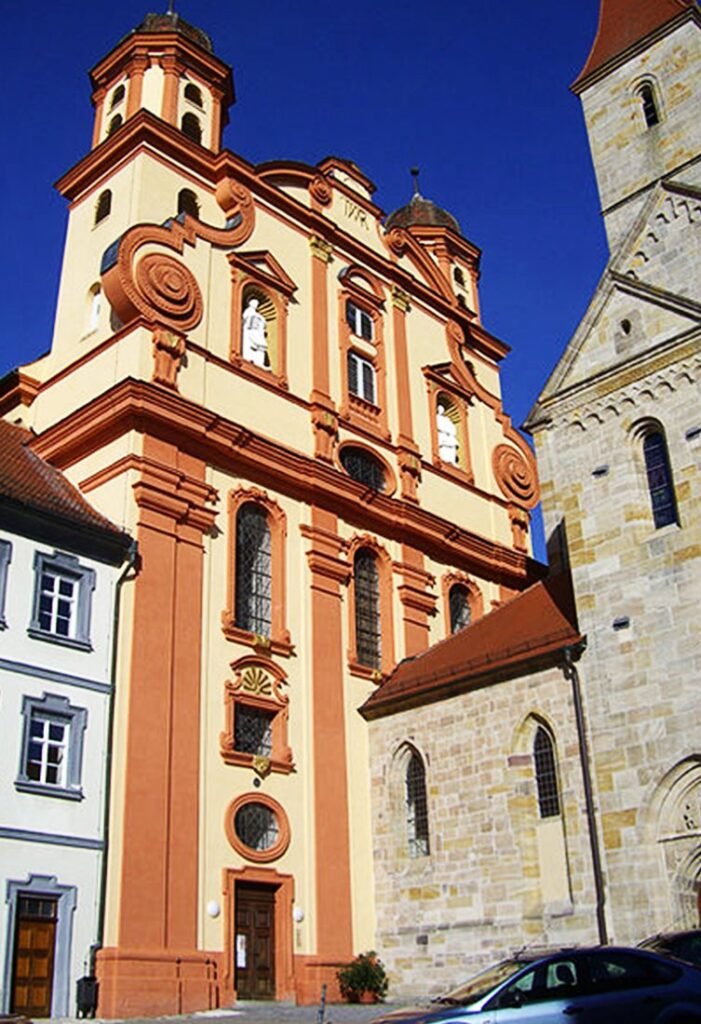
The town of Ellwangen, belonging to the province of Badem-Würrtemberg in the south of Germany, is situated mostly on the eastern bank of the river Jagst, which in turn flows through the manifold forested hills of the broader ‚Schwäbisch-Fränkische Waldberge‘. Though in modern days, the Jagst‘s course has been straightened to the demands of civilization […]
St. Athanasius Monastery
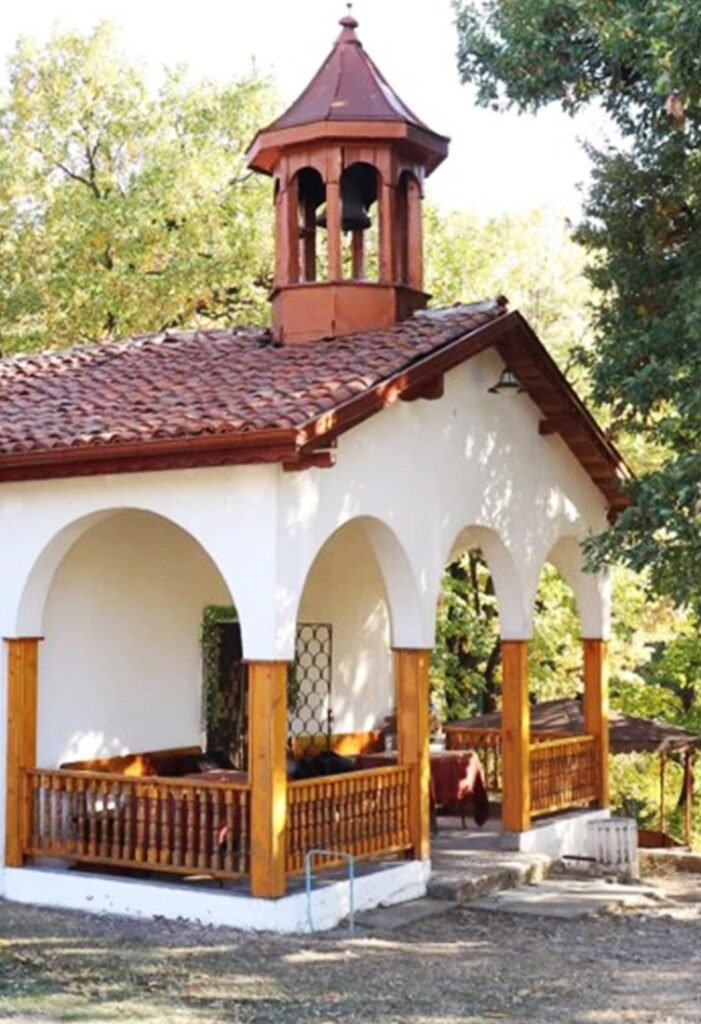
According to tradition, it is considered the oldest active monastery in Europe. It was founded in 344 by St. Athanasius, Archbishop of Alexandria. Saint Athanasius was born in 295 or 296 in Alexandria, Egypt, in a family of Christians. Excellently educated, he devoted himself to the study of the Holy Scriptures. Because of the virtues […]
St. Matthias Abbey
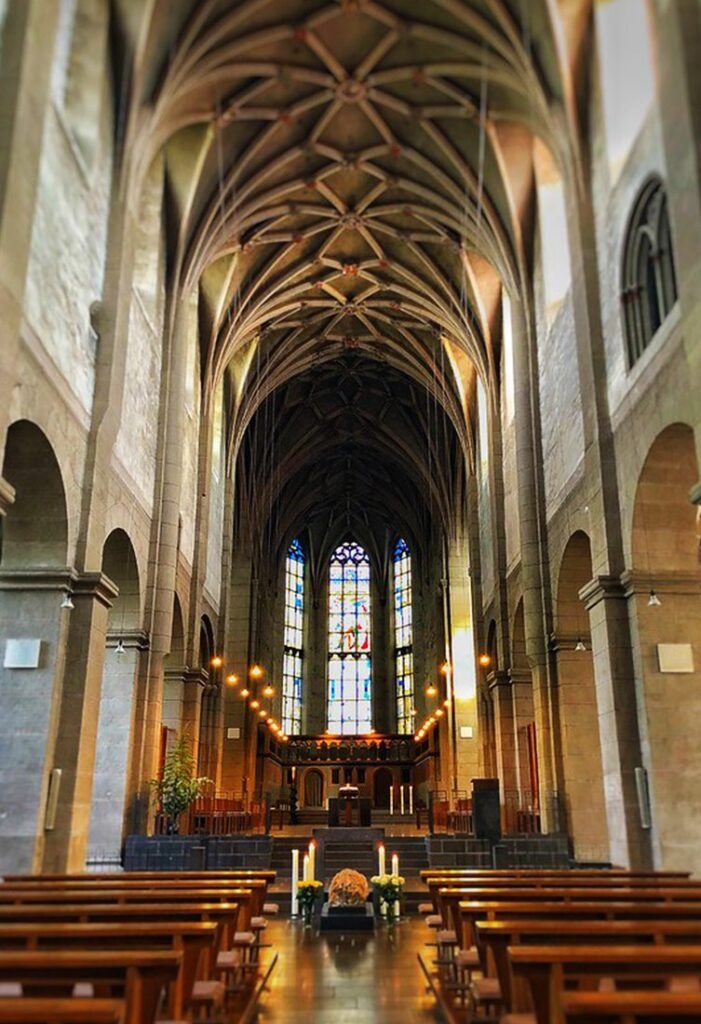
St. Matthias‘ Abbey is a monastery in Trier (Treveris), Rhineland-Palatinate. The abbey has its roots in the mid-5th century, when it was built by Cyrillus, the bishop of Trier, to honor the founders of the archdiocese of Trier, Eucharius and Valerius. That is why the monastery was originally called St. Eucharius‘ Abbey. The bones of […]
Lectoure
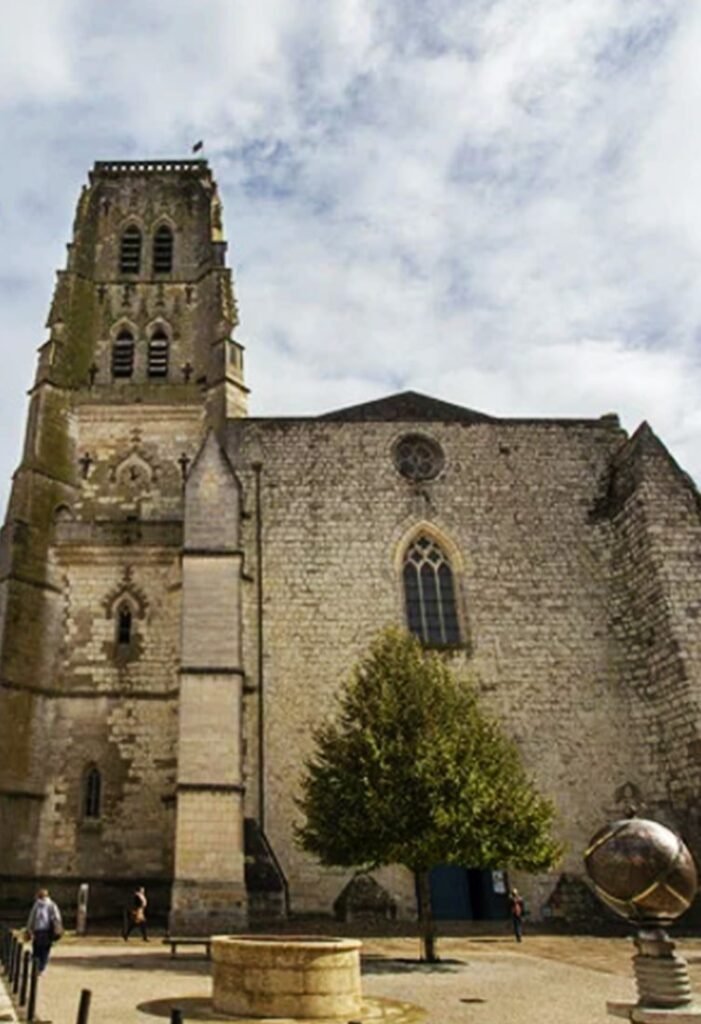
Lectoure es una comuna del distrito de Gers, provincia de Occitania (antes de 2016, Mediodía-Pirineos). Es una ciudad termal, situada sobre un espolón rocoso rodeado por murallas medievales, con la catedral dedicada a los santos Gervasio y Protasio, las ruinas del castillo, antiguo palacio de los condes de Armagnac, la fuente de Diana, el antiguo […]
Anfiteatro de Nimes
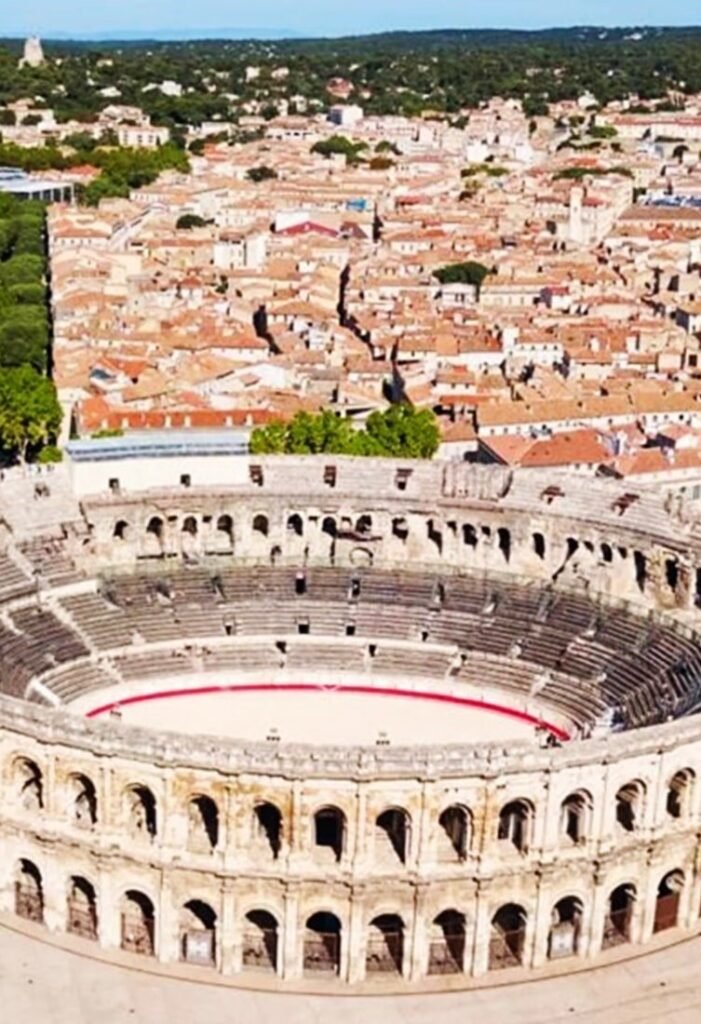
El anfiteatro de Nimes, denominado Les Arènes es uno de los edificios romanos conservados en Nimes, localidad que pertenece al departamento de Gard y a la región de Occitania (antes de 2016 Languedoc-Rosellón). La ciudad tiene un origen celta, perteneciendo a la tribu de los Volcos Arecomici, pero pasaría al dominio romano de forma pacífica, […]
Nimes
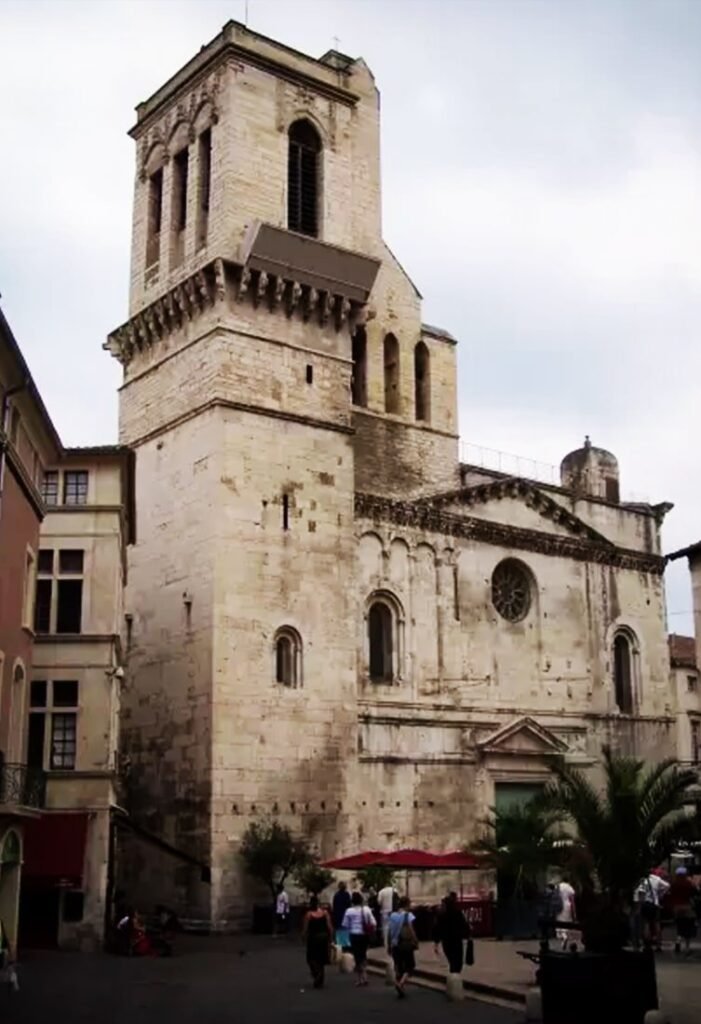
Localidad al SE de Francia, en el departamento de Languedoc-Rosellón, cuyp origen se encuentra en la abundancia de aguas y manantiales, a los que pronto se dedicó a Nemausus, hijo de Hércules. El pueblo de los Volcos Arecomini poblaron la zona y crearton un oppidum o poblado fortificado, que hacia el 120 a. C. fue […]
Monastery of Saint John of Pelekete
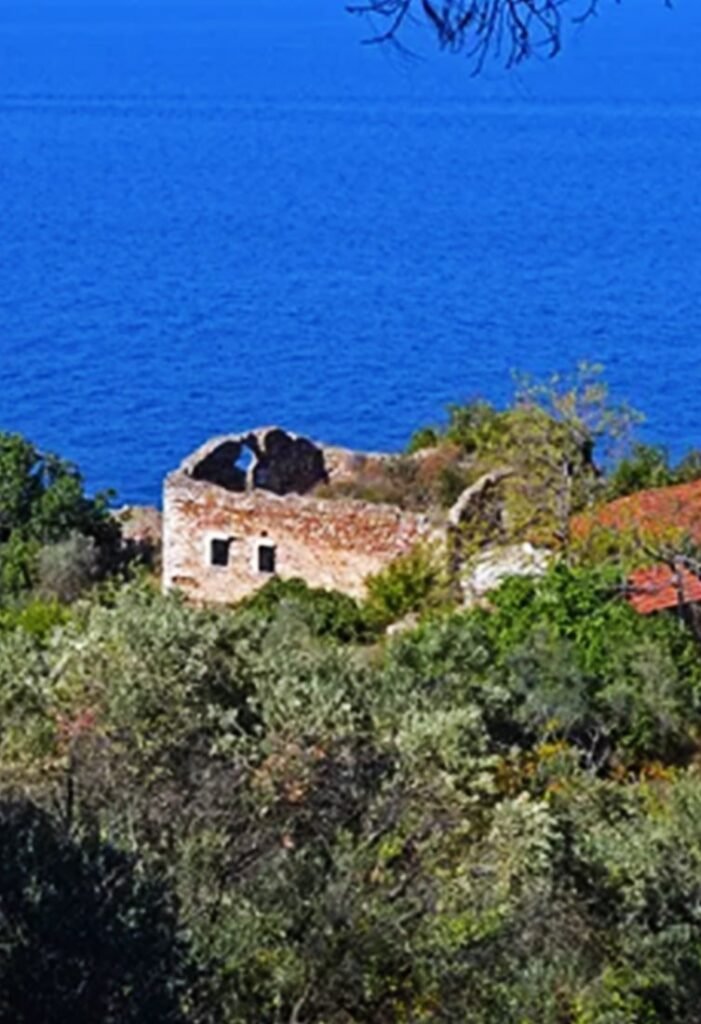
The Monastery of St. John is located ca 5 kilometers west of Trigleia on the south coast of the Sea of Marmara. It is also known as Pelekete which means “carved” probably to it being constructed upon a steep rock. Its foundation should be dated before the middle of the eighth century, as at that […]
Saint Stephen
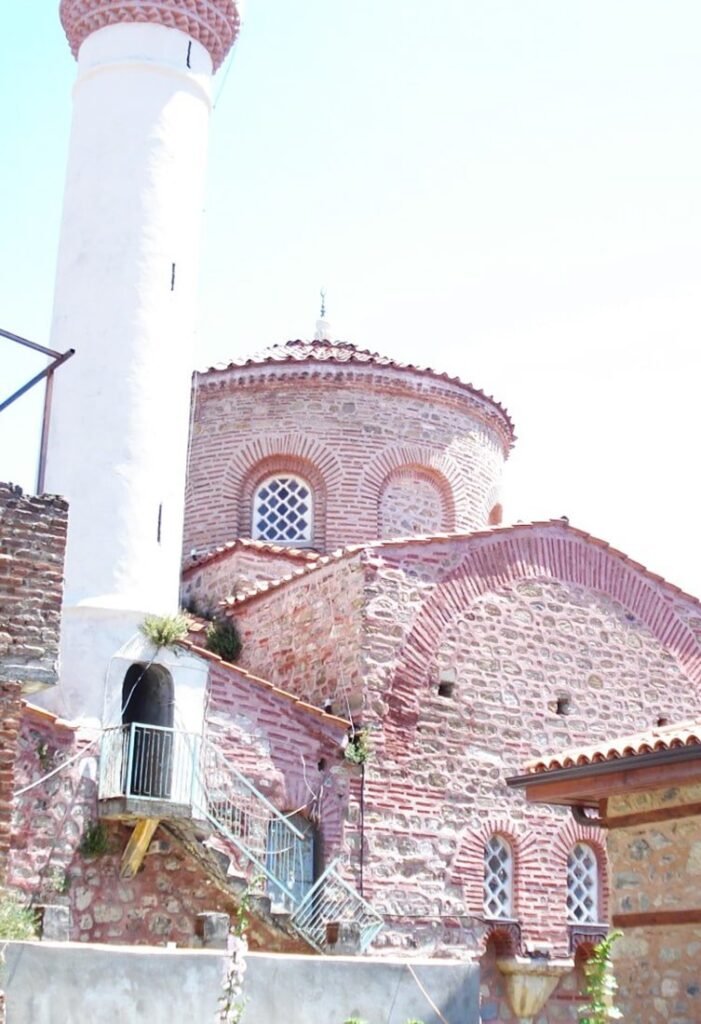
The Saint Stephen monastery is a converted Byzantine foundation in Trigleia (Tirilye). The identification with the Church of St. Stephen is not absolute certain. However, it may be associated with the monastery of St. Stephen the Confessor, who was persecuted during the reign of Leo V (813-820). The conversion to a mosque took place in […]
Hagia Sophia
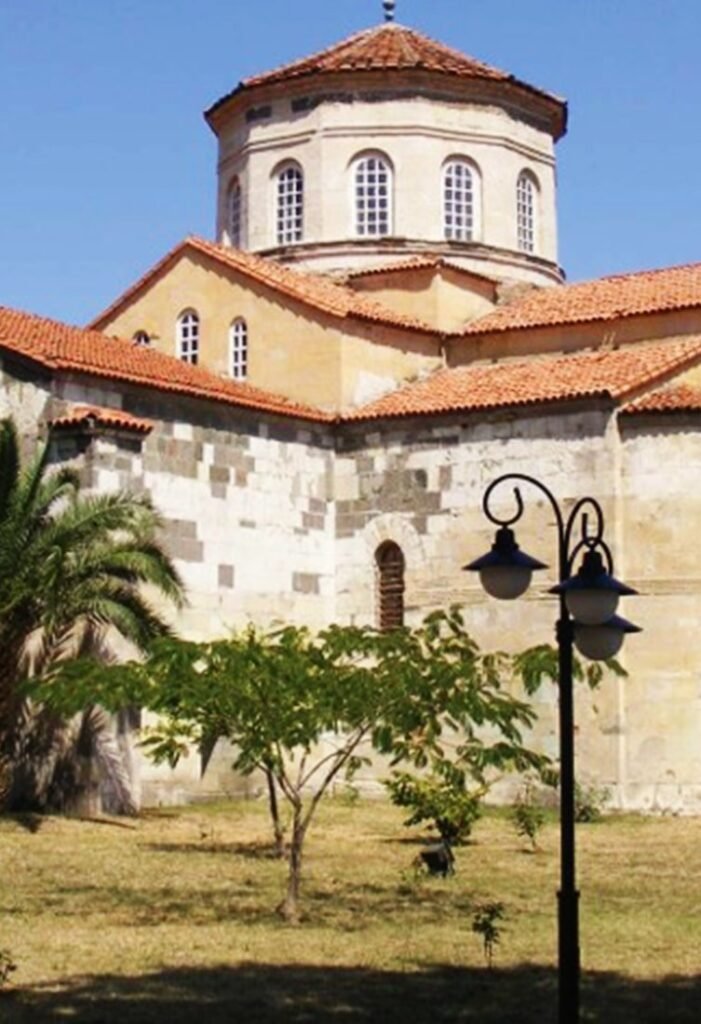
DESCRIPTION AND FORMAL ANALYSIS Hagia Sophia was built in Trebizond during the reign of Manuel I between 1238 and 1263. The oldest graffiti carved in the apses of the church contain the dates 1291 and 1293. After Mehmed II conquered the city in 1461, the church was possibly converted into a mosque and its frescos […]
Panagia Chrysokephalos
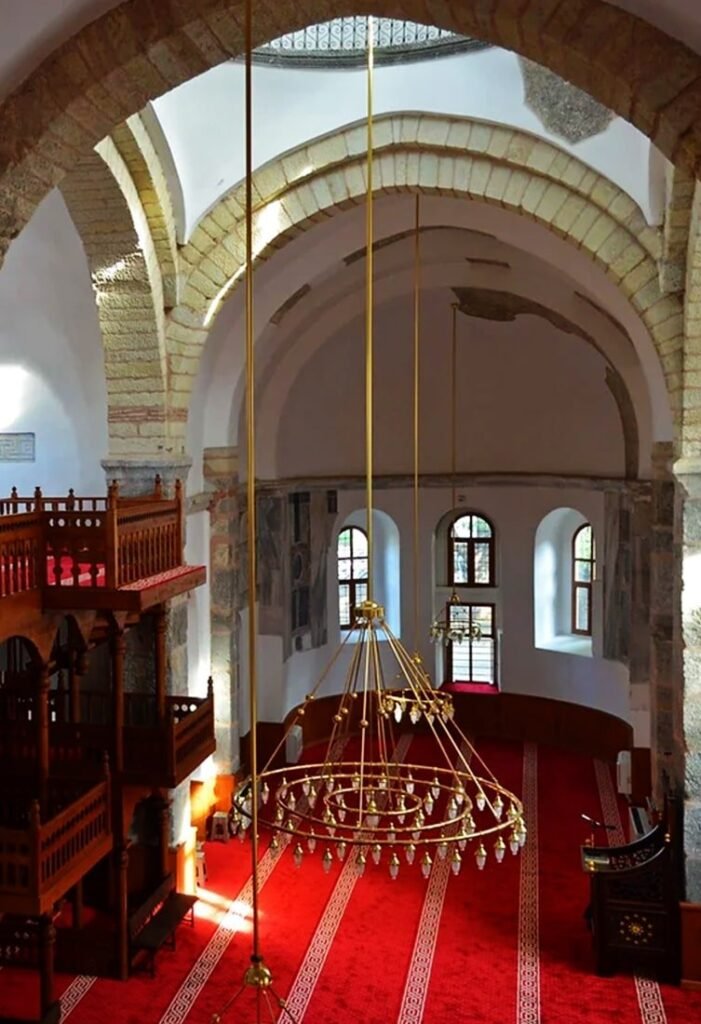
DESCRIPTION AND FORMAL ANALYSIS The Panagia Chrysokephalos Church (Greek Παναγία Χρυσοκέφαλος, «Panagia the Golden-Headed»), serving as both the catholicon for the see of Trebizond, and a church for a monastery. It was built sometime in the 10th or 11th century. After Ottoman conquest of the city in 1461, the building became a mosque. During the […]