

Anfiteatro de Nimes
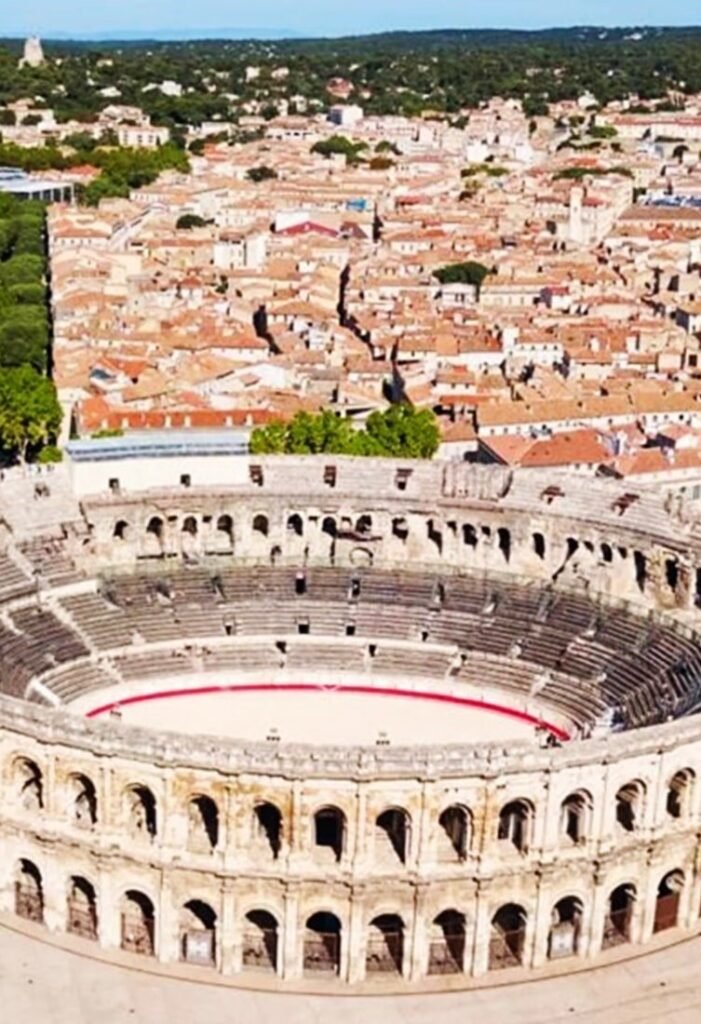
El anfiteatro de Nimes, denominado Les Arènes es uno de los edificios romanos conservados en Nimes, localidad que pertenece al departamento de Gard y a la región de Occitania (antes de 2016 Languedoc-Rosellón). La ciudad tiene un origen celta, perteneciendo a la tribu de los Volcos Arecomici, pero pasaría al dominio romano de forma pacífica, […]
Nimes
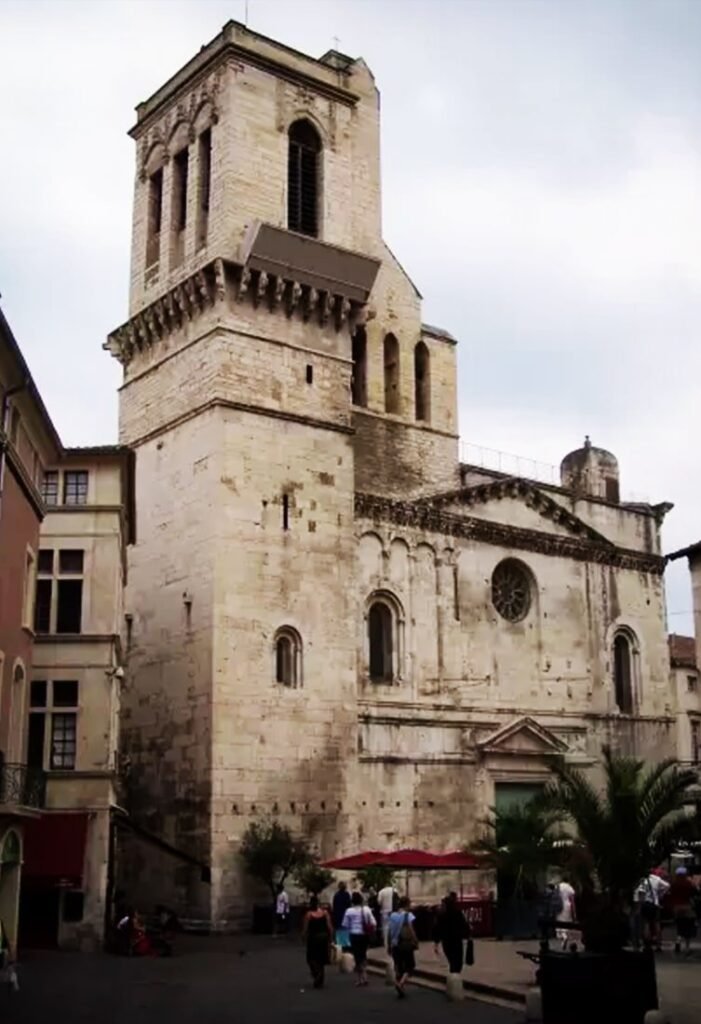
Localidad al SE de Francia, en el departamento de Languedoc-Rosellón, cuyp origen se encuentra en la abundancia de aguas y manantiales, a los que pronto se dedicó a Nemausus, hijo de Hércules. El pueblo de los Volcos Arecomini poblaron la zona y crearton un oppidum o poblado fortificado, que hacia el 120 a. C. fue […]
Monastery of Saint John of Pelekete
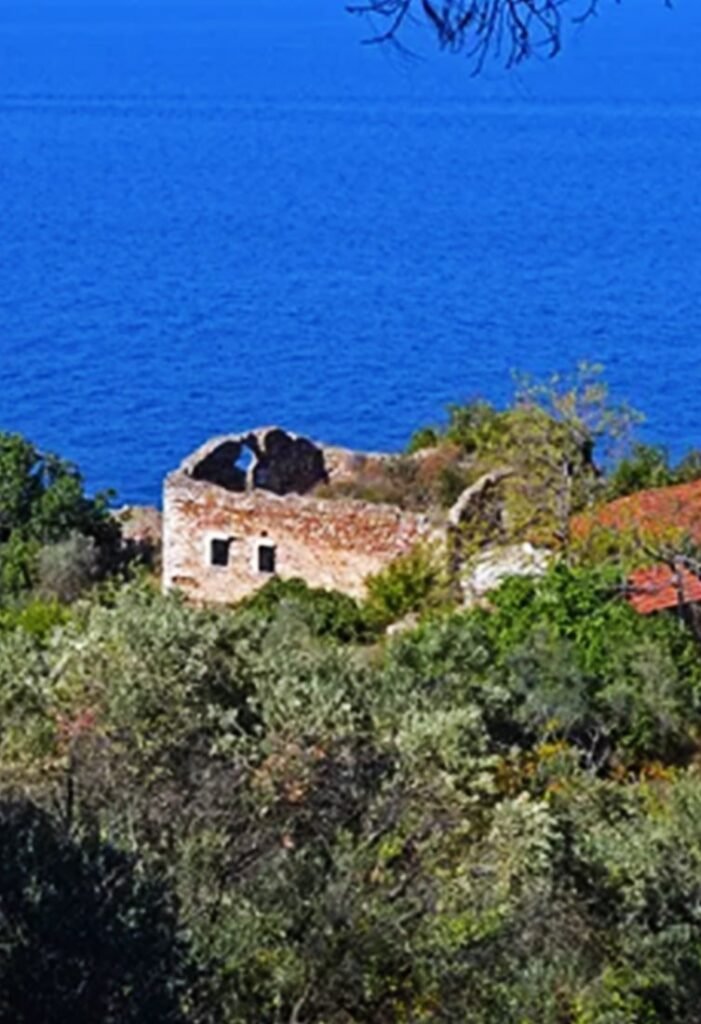
The Monastery of St. John is located ca 5 kilometers west of Trigleia on the south coast of the Sea of Marmara. It is also known as Pelekete which means “carved” probably to it being constructed upon a steep rock. Its foundation should be dated before the middle of the eighth century, as at that […]
Lectoure
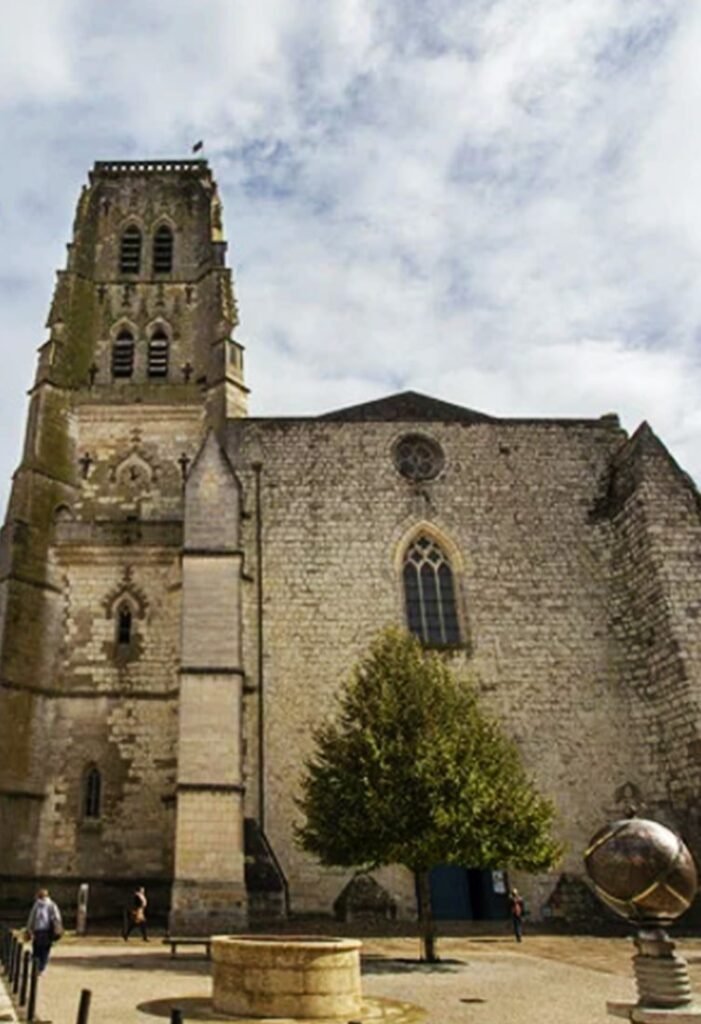
Lectoure es una comuna del distrito de Gers, provincia de Occitania (antes de 2016, Mediodía-Pirineos). Es una ciudad termal, situada sobre un espolón rocoso rodeado por murallas medievales, con la catedral dedicada a los santos Gervasio y Protasio, las ruinas del castillo, antiguo palacio de los condes de Armagnac, la fuente de Diana, el antiguo […]
Saint Stephen
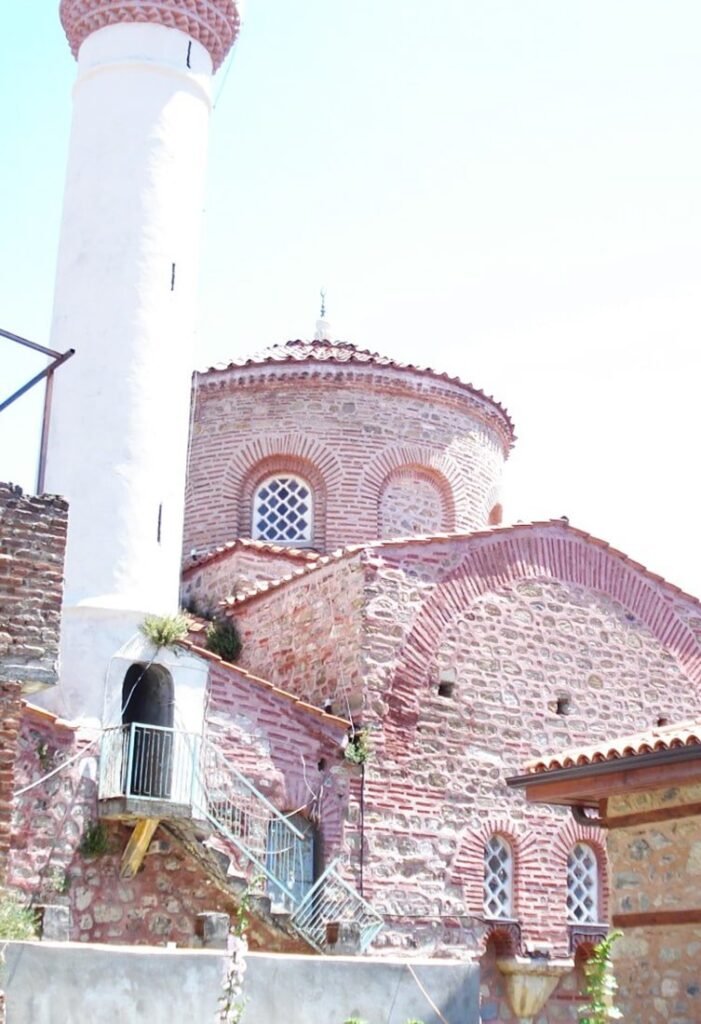
The Saint Stephen monastery is a converted Byzantine foundation in Trigleia (Tirilye). The identification with the Church of St. Stephen is not absolute certain. However, it may be associated with the monastery of St. Stephen the Confessor, who was persecuted during the reign of Leo V (813-820). The conversion to a mosque took place in […]
Hagia Sophia
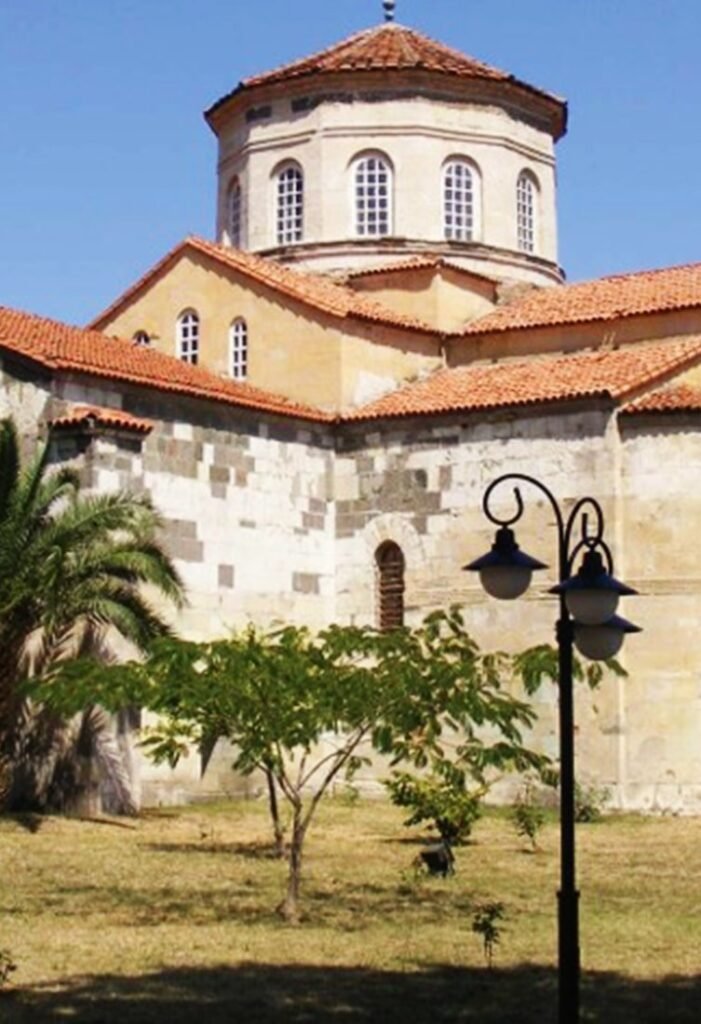
DESCRIPTION AND FORMAL ANALYSIS Hagia Sophia was built in Trebizond during the reign of Manuel I between 1238 and 1263. The oldest graffiti carved in the apses of the church contain the dates 1291 and 1293. After Mehmed II conquered the city in 1461, the church was possibly converted into a mosque and its frescos […]
Panagia Chrysokephalos
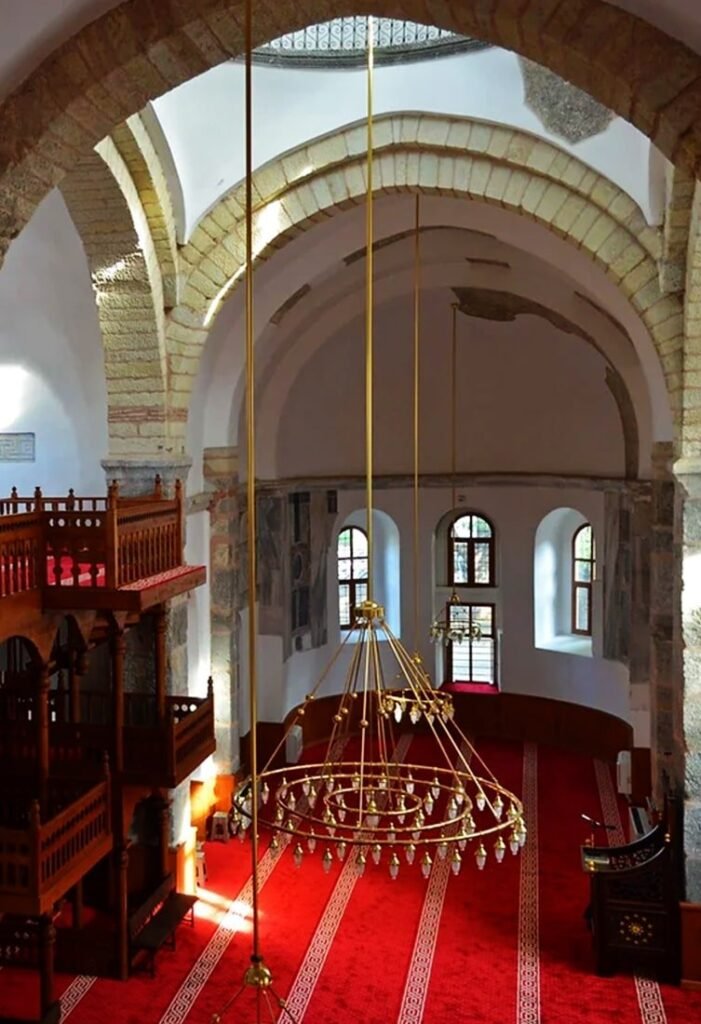
DESCRIPTION AND FORMAL ANALYSIS The Panagia Chrysokephalos Church (Greek Παναγία Χρυσοκέφαλος, «Panagia the Golden-Headed»), serving as both the catholicon for the see of Trebizond, and a church for a monastery. It was built sometime in the 10th or 11th century. After Ottoman conquest of the city in 1461, the building became a mosque. During the […]
Saint Anna
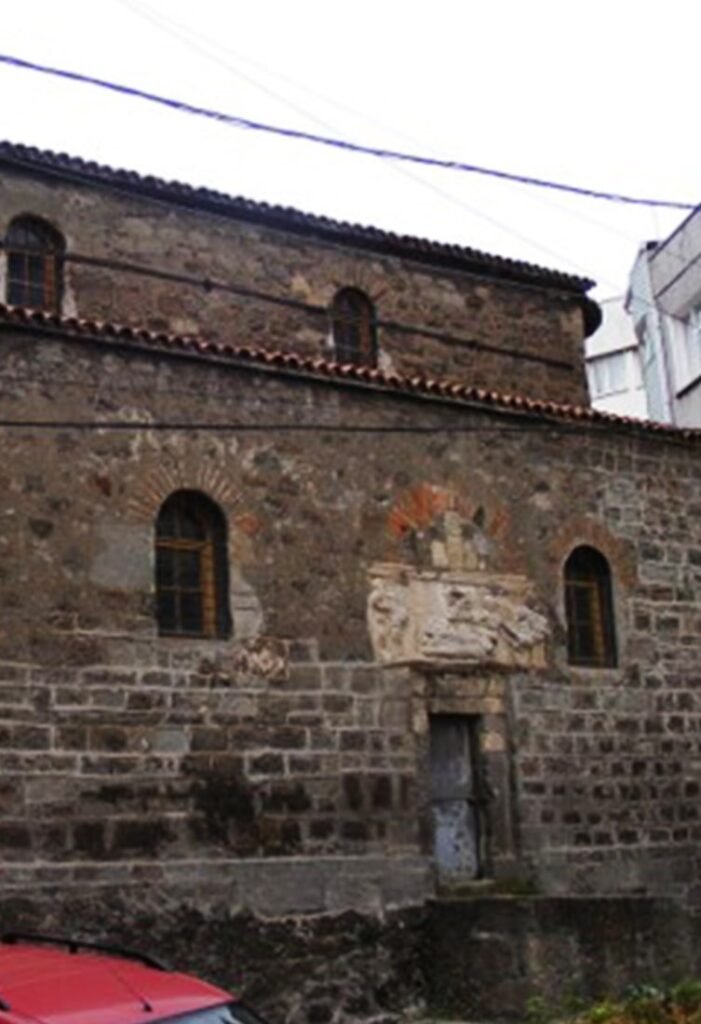
DESCRIPTION AND FORMAL ANALYSIS Saint Anne of Trebizond (today Trabzon) is one of the oldest known surviving churches in Trabzon. It is built outside the city’s walls and is situated in the eastern part of the city, less than 100m south of Saint Basil. Saint Anne was one of the churches in the parish of […]
Saint Eugenios
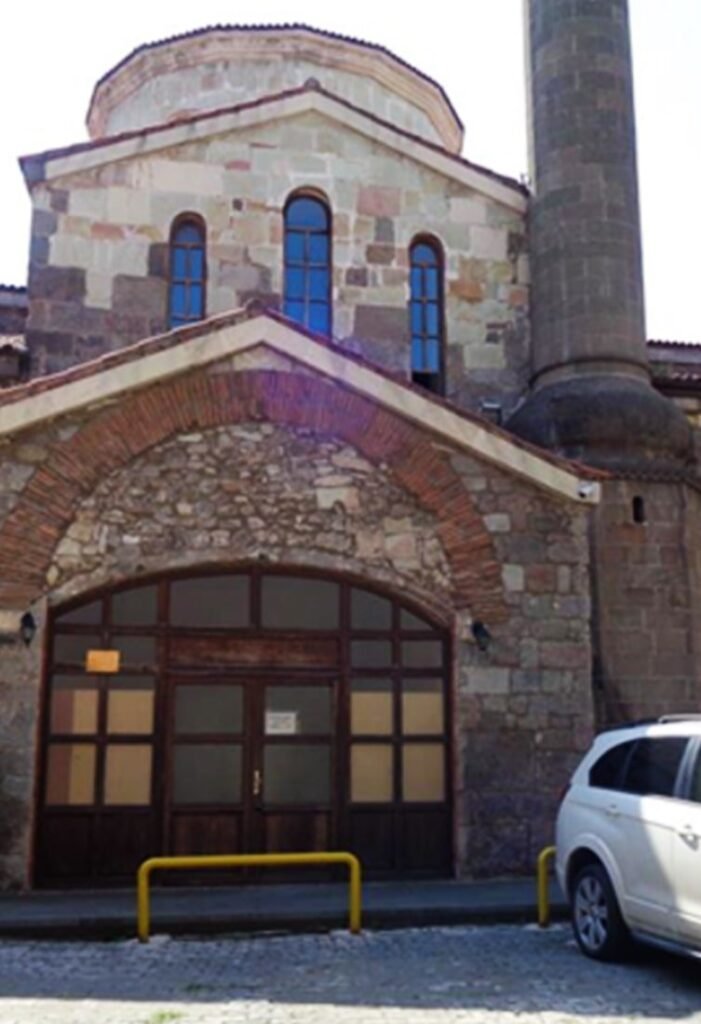
DESCRIPTION AND FORMAL ANALYSIS The church of Saint Evgenios (Yeni Camii) of Trebizond is a magnificent church which once represented the center of the city’s ecclesiastic, ethnic and cultural life. When the Turks seized Trebizond in 1461, Sultan Mehmet II re-named it Yeni Cuma Camii (New Friday Mosque) because it was here that the conqueror […]
Yacimiento Arqueológico de Oreto-Zuqueca
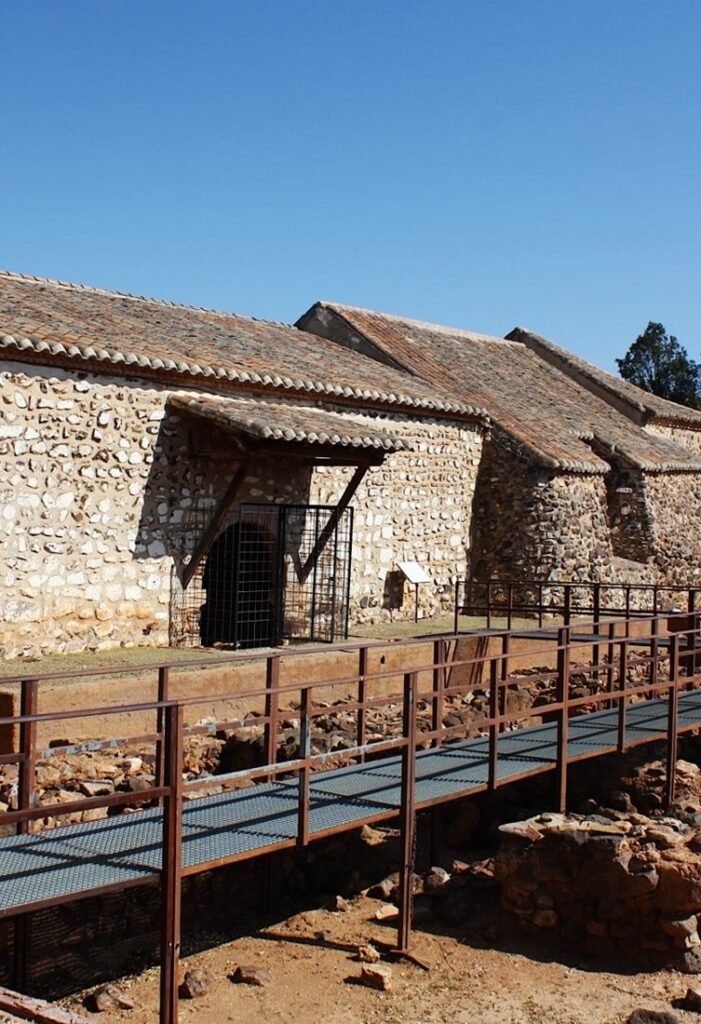
DESCRIPCIÓN Y ANÁLISIS FORMAL Es un amplio complejo arqueológico, Oreto-Zuqueca, que se extiende por el Cerro del Obispo y el Cerro de Oreto o Domínguez, además de por la vaguada entre ellos. Se localiza a poco más de 4 km al sureste de Granátula de Calatrava. En el Cerro de Oreto hay murallas, torres, calles, […]