

Tournai
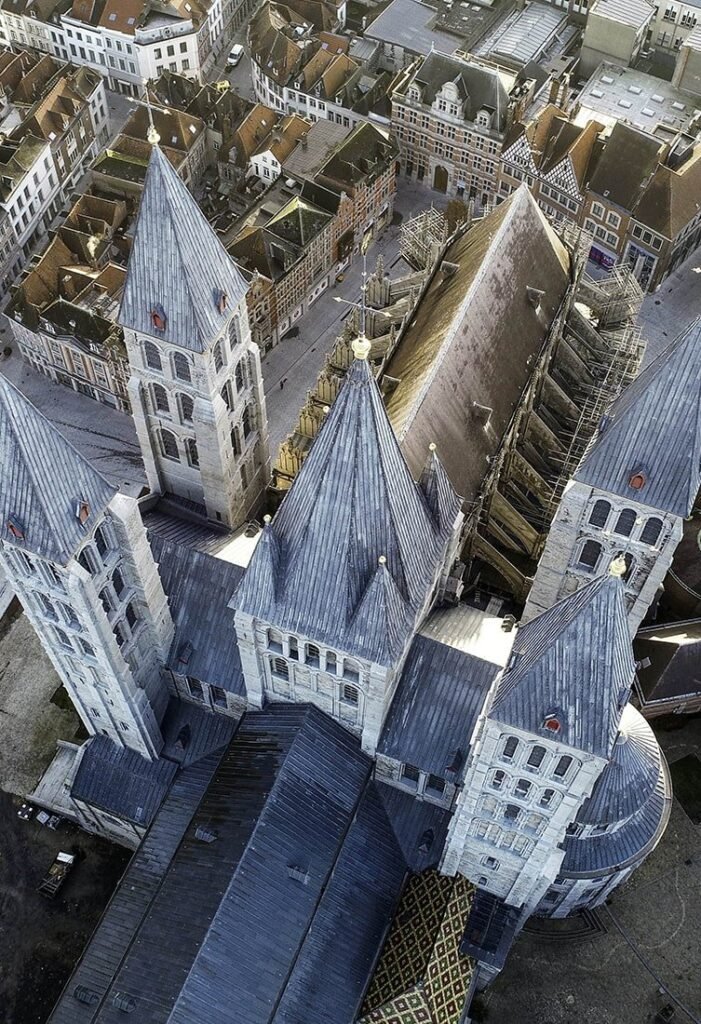
Tournai es una de las ciudades más antiguas de Bélgica. Creada hace más de 2.000 años, ha cambiado a menudo de dominio: galo-romana, franca (ciudad real bajo los reinados de Childerico I y de Clodoveo I y por lo tanto la primera capital de Francia). DESCRIPCIÓN Tournai es una de las ciudades más antiguas de […]
Mérida
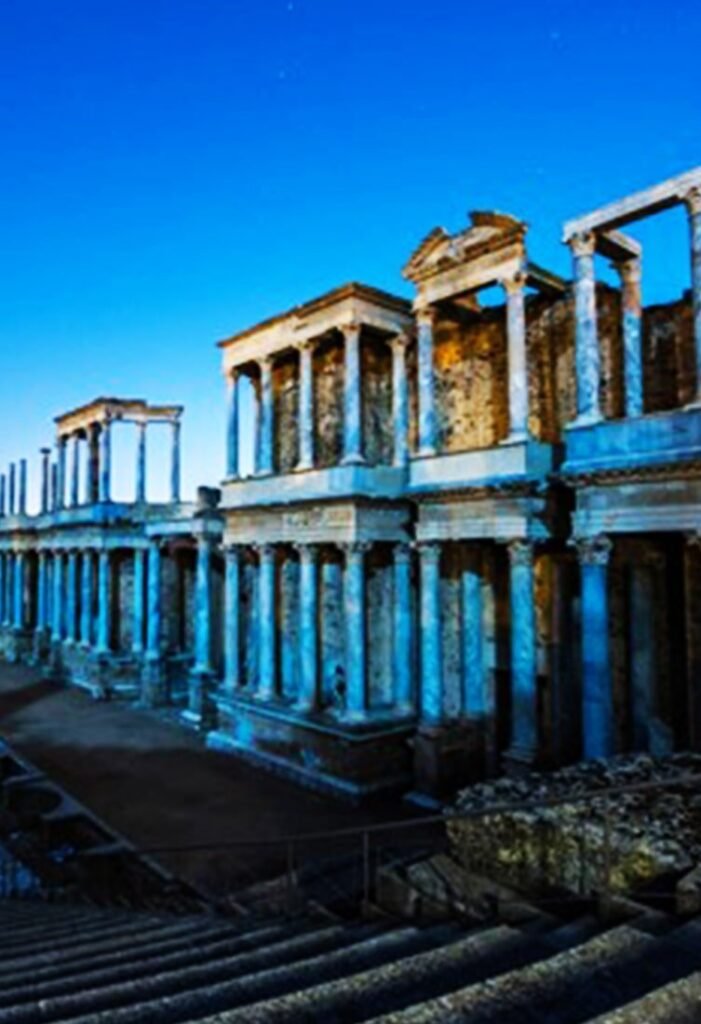
Mérida, ciudad bimilenaria, fue fundada por mandato del emperador Octavio Augusto en el año 25 a. C. con el objetivo de asentar a los veteranos retirados de las legiones V Alaudae y X Gemina que habían luchado en las Guerras Cántabras. Sin embargo, la zona ofrece huellas de ocupación humana que se remontan miles de […]
Ciudad de Carcasona
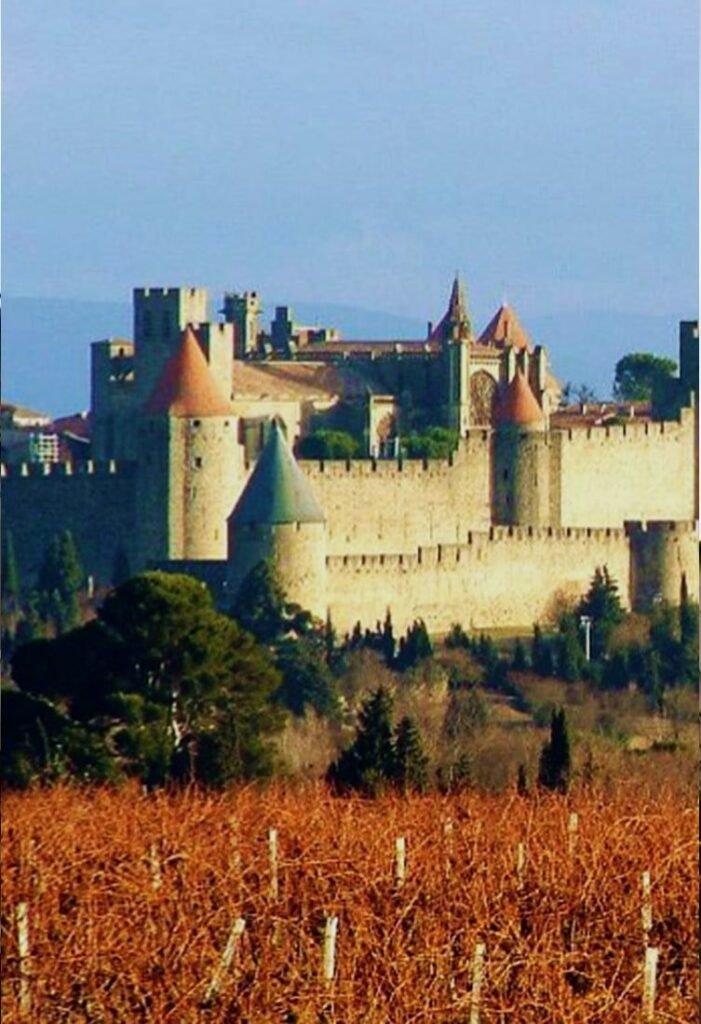
DESCRIPCIÓN Y ANÁLISIS FORMAL Los primeros asentamientos en el entorno de Carcasona tienen lugar en el siglo VI a. C. La posición estratégica del entorno, entre el Mediterráneo y el Atlántico y entre Europa y la península Ibérica facilitaron la creación de una fortaleza romana junto al río Aude. Esa población se amuralló entre los […]
Tolosa
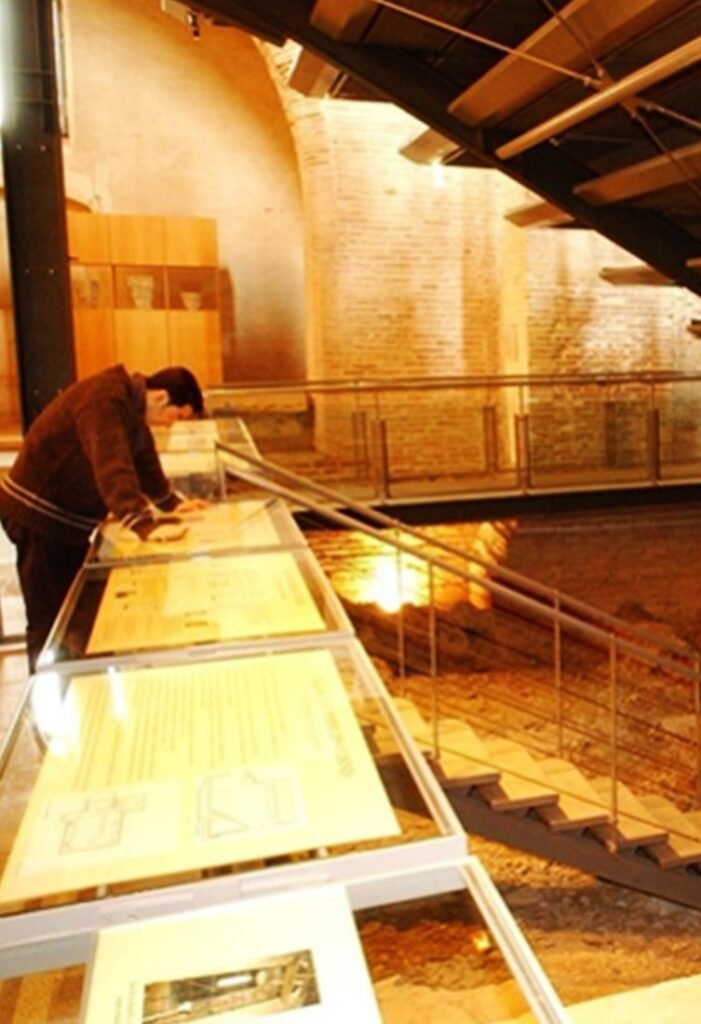
Los godos transitaron durante más de cinco siglos por la geografía europea: En este tiempo se dividieron en dos grandes grupos: ostrogodos (orientales) y visigodos (occidentales). Estos últimos avanzaron por Occidente buscando una tierra donde establecerse. Finalmente, a principios del siglo V llegaron al sur de las Galias. Nacía entonces el reino visigodo de Tolosa. […]
Narbona
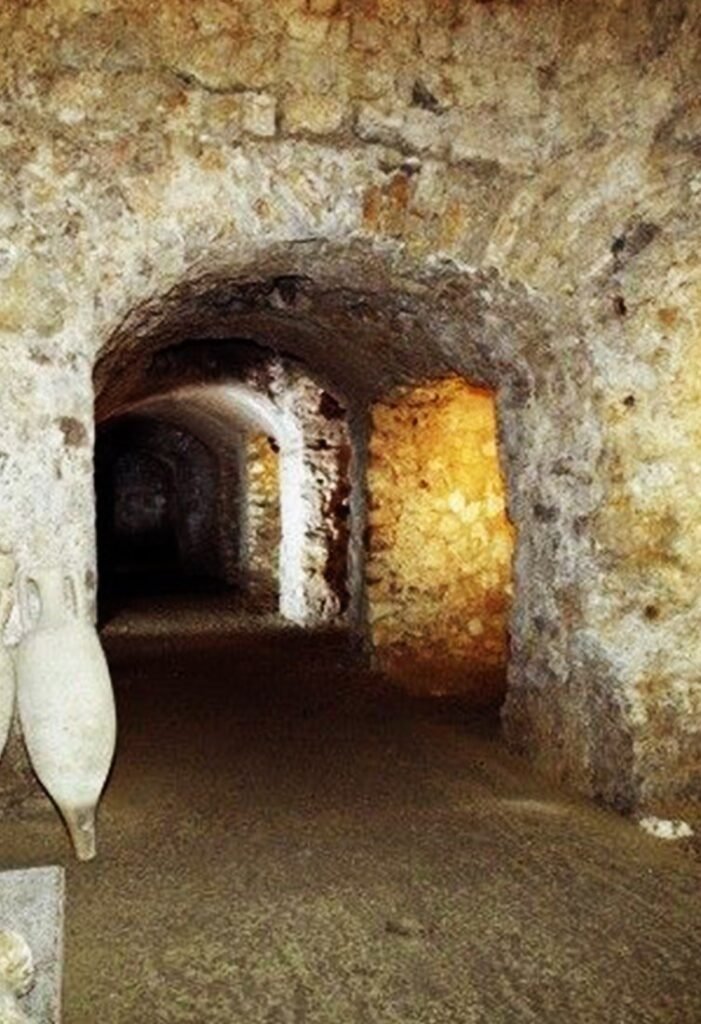
En el siglo VII a. C. la región está habitada por una tribu ibérica: los elisyques, que tienen un oppidum o población fortificada. Se mezclarán influencias griegas, desde Massilia, celtas y romanas. En el 118 a. C. Cneo Domitio Ahenobarbo funda la primera colonia romana más allá de Italia, la Colonia Narbo Martius, bajo la […]
Serdica
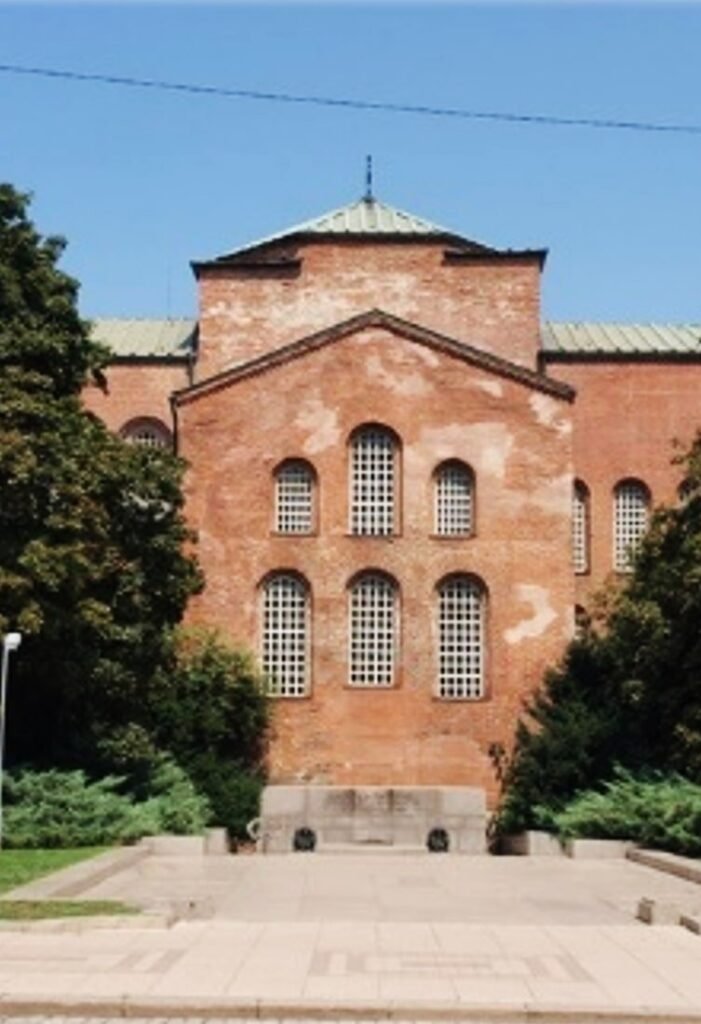
The birth of Serdica refers to the mid 1st century AD. It is likely that its foundation was connected with the annexation of the Thracian Kingdom of Rhoimetalkes III in 45 AD. The newly formed Roman province was named Thrace and submitted to the rule of a procurator. The archaeological evidence shows that the original […]
Novae Archaeological Site
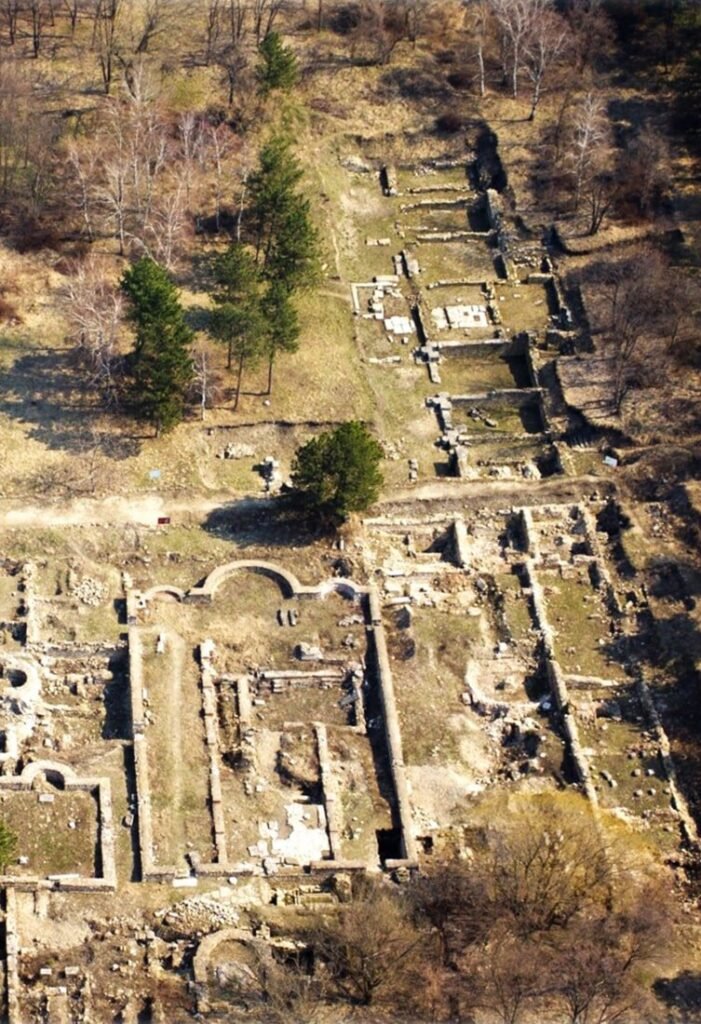
Novae is located next to the present-day town of Svishtov, on the banks of the Danube River. The archaeological research there began in the 1960s under the leadership of a Bulgarian-Polish team. It was originally organized as a military camp for the defense of the Limes along the Lower Danube. The Legio VIII Augusta was […]
National Architectural and Archaeological Reserve Durostorum
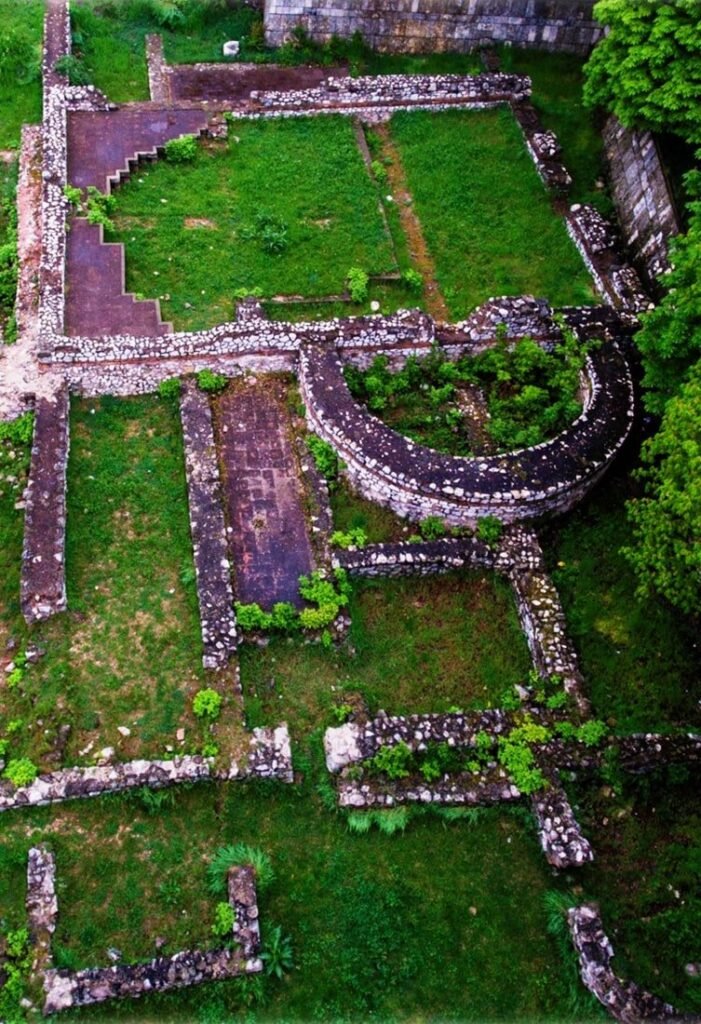
For the protection of the Lower Danube territories against the continuous raids of the Barbarians from the North, after the victory over the Dacians in 106 AD, one of the most capable military units of the Roman Empire was stationed there by order of Emperor Trajan (97 – 117) – Legio XI Claudia. According to […]
Archaeological site of Zaldapa
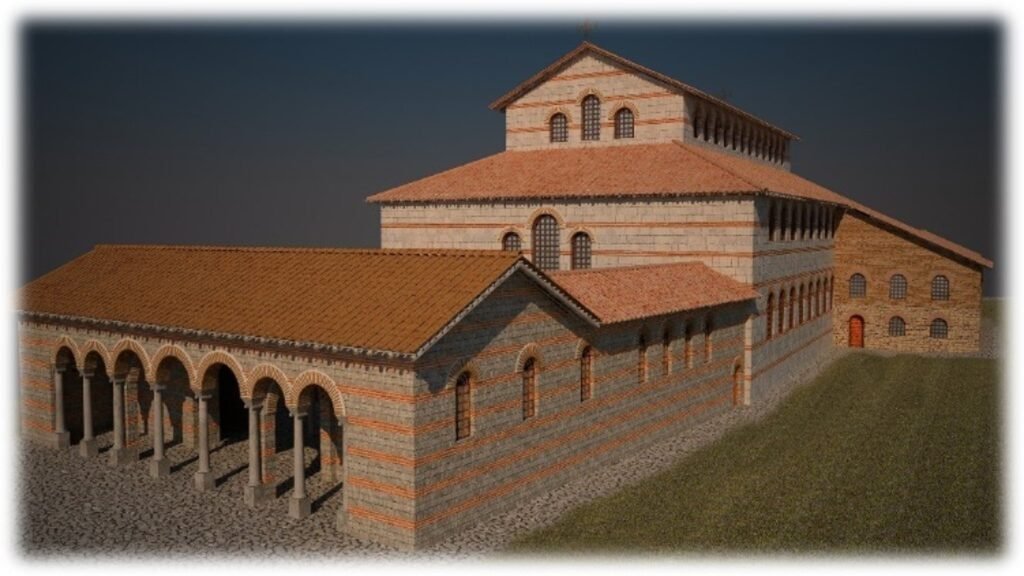
Zaldapa is the largest fortified Roman-Byzantine town in the interior of the Roman province of Scythia (Dobrudzha). The name Zaldapa itself (Zaldapa, Zeldepa, Zeldipas, Zardapa, Zelpa) is believed to be of a Thracian or Daco-Moesian origin and can literally be translated as «yellow (golden) cold (?) water / river (?)». Indeed, at the foot of […]
Marcianopolis
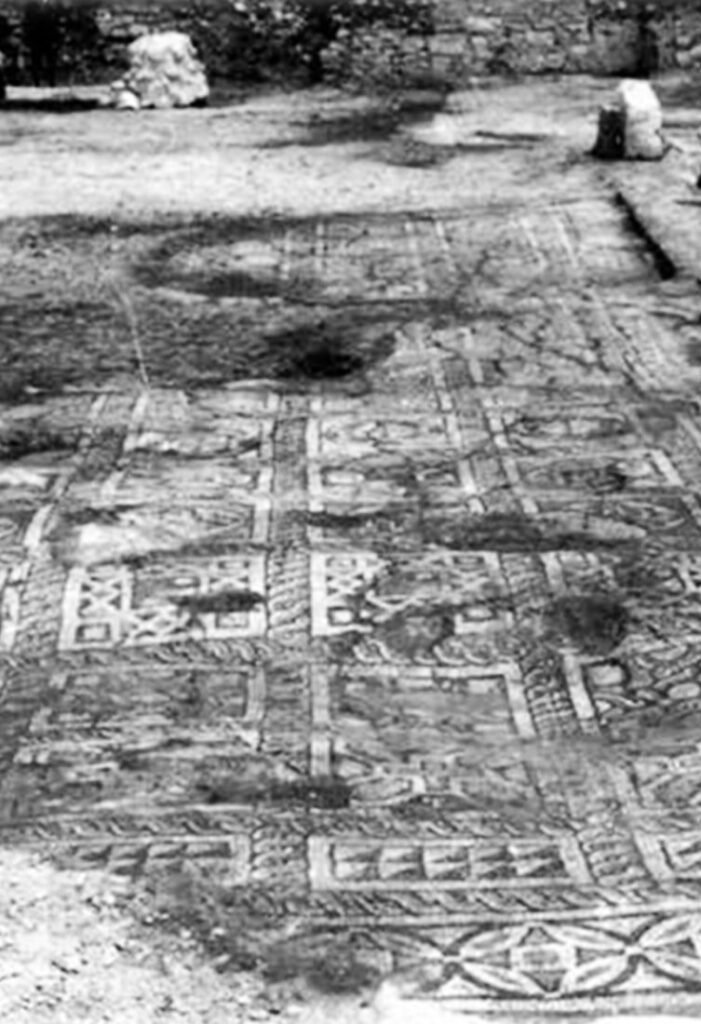
In 1829, the Russian archaeologist I. F. Blaramberg (1772–1831) identified the ruins near the springs of Reka Devnya village as Marcianopolis, a town well known from the ancient written sources. Later on, Hungarian ethnographer Felix Kanitz (1882), Czech historian Konstantin Jireček (1888) and Austrian epigrapher Ernst Kalinka (1906) also wrote about the town. The initial […]