
Tournai
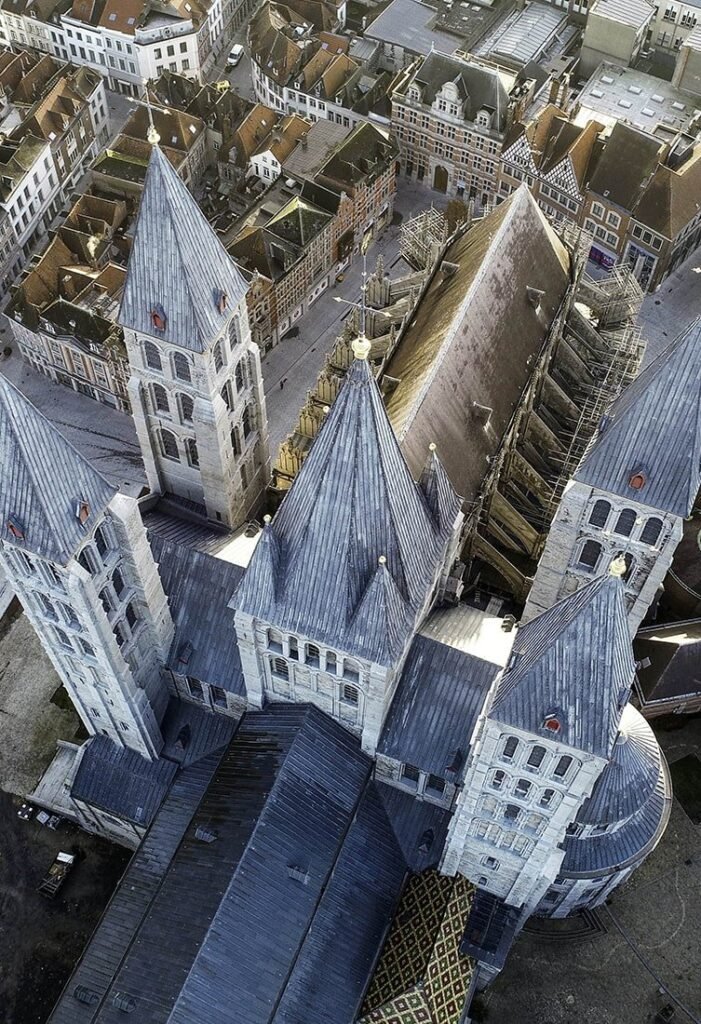
Tournai es una de las ciudades más antiguas de Bélgica. Creada hace más de 2.000 años, ha cambiado a menudo de dominio: galo-romana, franca (ciudad real bajo los reinados de Childerico I y de Clodoveo I y por lo tanto la primera capital de Francia). DESCRIPCIÓN Tournai es una de las ciudades más antiguas de […]
Mérida
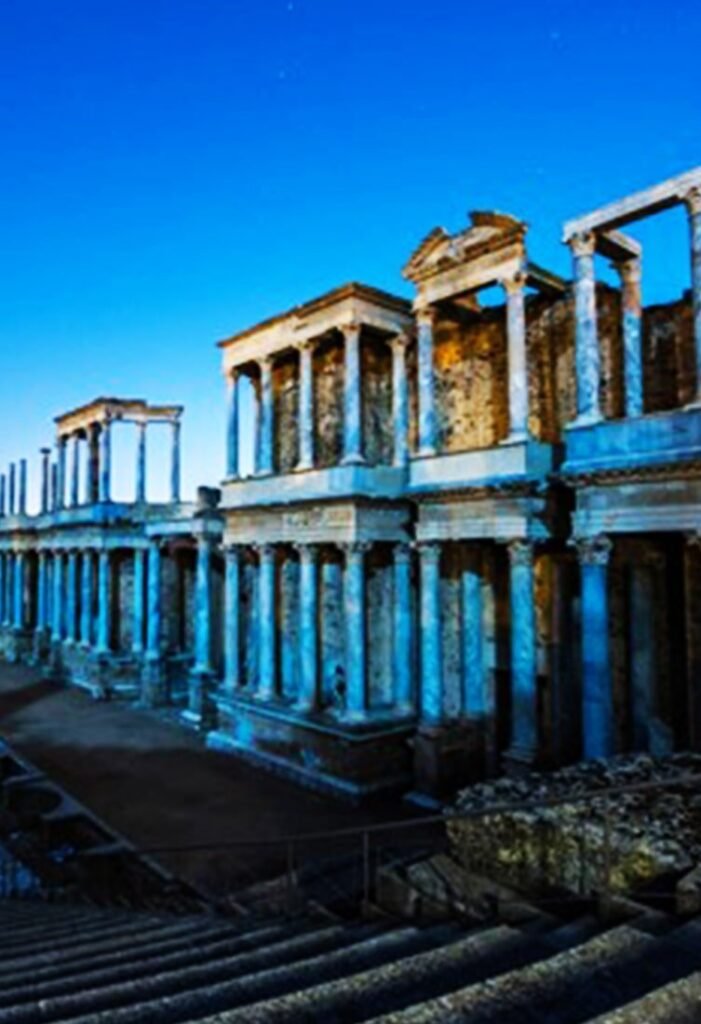
Mérida, ciudad bimilenaria, fue fundada por mandato del emperador Octavio Augusto en el año 25 a. C. con el objetivo de asentar a los veteranos retirados de las legiones V Alaudae y X Gemina que habían luchado en las Guerras Cántabras. Sin embargo, la zona ofrece huellas de ocupación humana que se remontan miles de […]
Tolosa
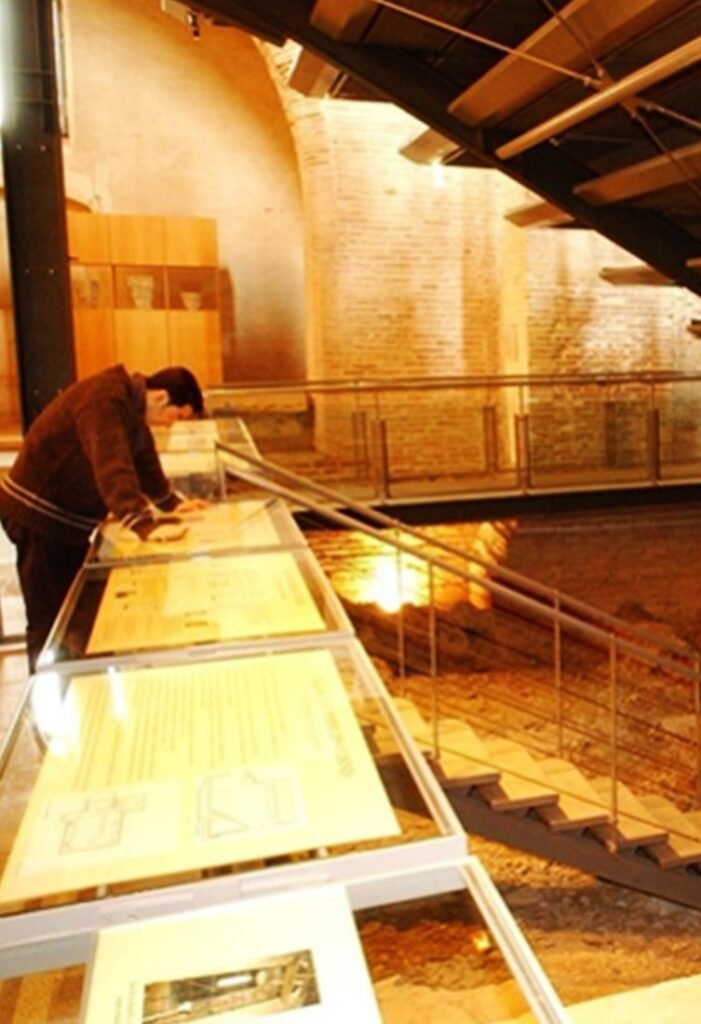
Los godos transitaron durante más de cinco siglos por la geografía europea: En este tiempo se dividieron en dos grandes grupos: ostrogodos (orientales) y visigodos (occidentales). Estos últimos avanzaron por Occidente buscando una tierra donde establecerse. Finalmente, a principios del siglo V llegaron al sur de las Galias. Nacía entonces el reino visigodo de Tolosa. […]
Narbona
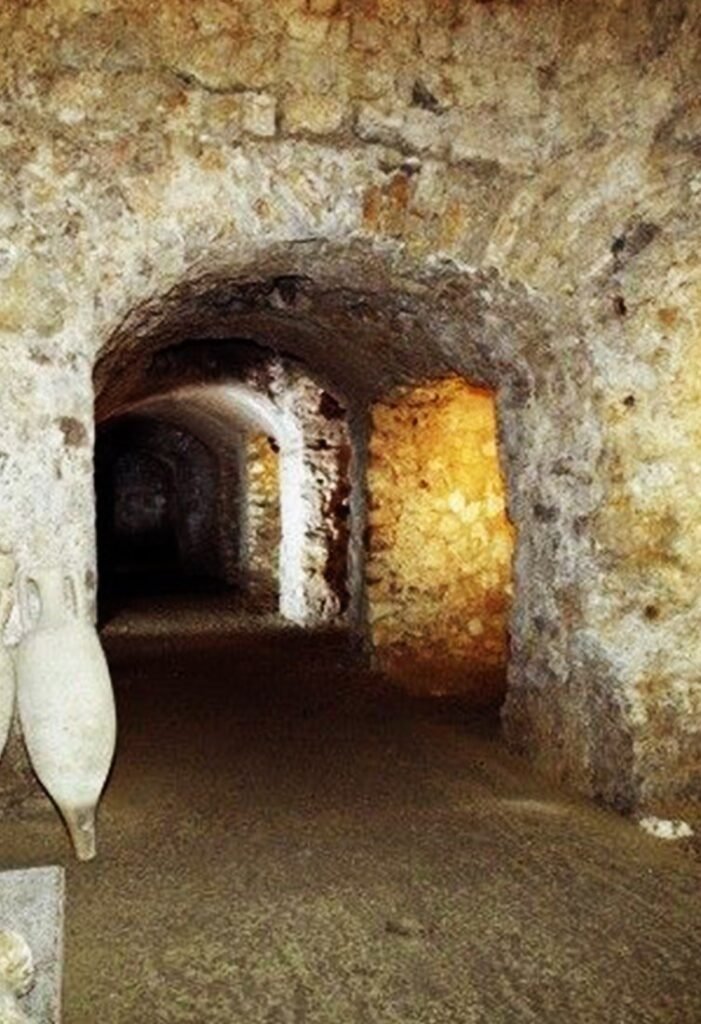
En el siglo VII a. C. la región está habitada por una tribu ibérica: los elisyques, que tienen un oppidum o población fortificada. Se mezclarán influencias griegas, desde Massilia, celtas y romanas. En el 118 a. C. Cneo Domitio Ahenobarbo funda la primera colonia romana más allá de Italia, la Colonia Narbo Martius, bajo la […]
National Architectural and Archaeological Reserve Durostorum
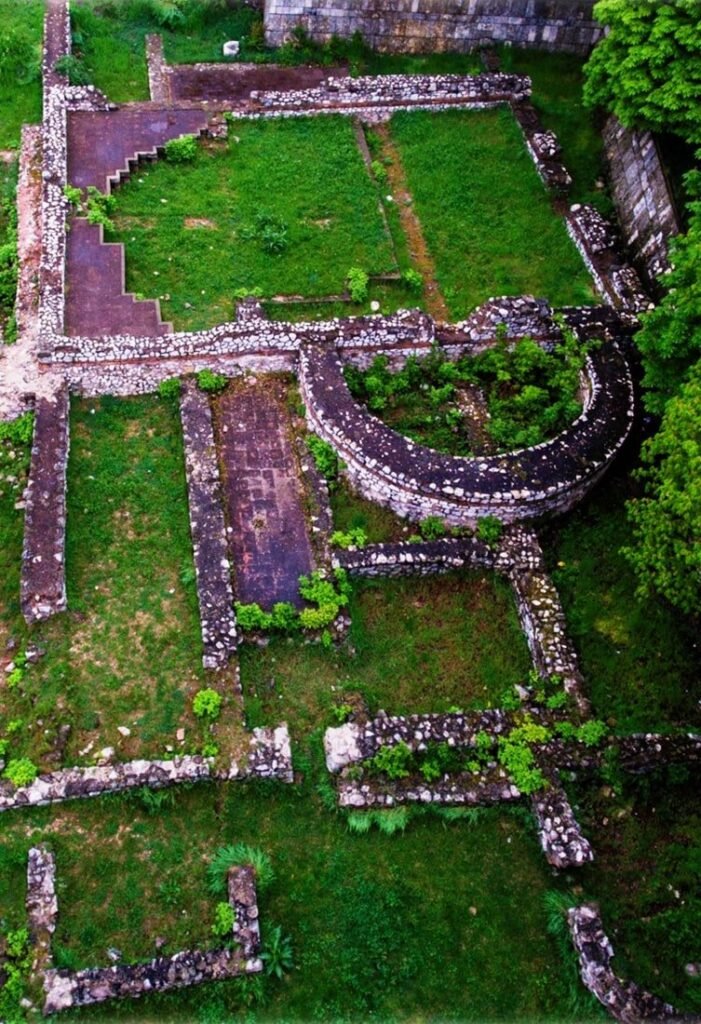
For the protection of the Lower Danube territories against the continuous raids of the Barbarians from the North, after the victory over the Dacians in 106 AD, one of the most capable military units of the Roman Empire was stationed there by order of Emperor Trajan (97 – 117) – Legio XI Claudia. According to […]
Archaeological site of Zaldapa
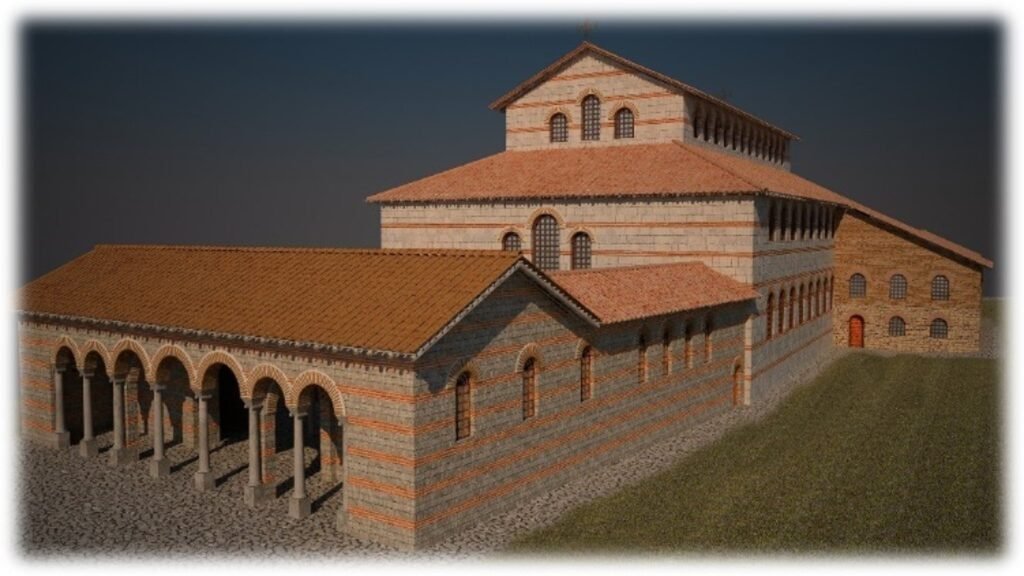
Zaldapa is the largest fortified Roman-Byzantine town in the interior of the Roman province of Scythia (Dobrudzha). The name Zaldapa itself (Zaldapa, Zeldepa, Zeldipas, Zardapa, Zelpa) is believed to be of a Thracian or Daco-Moesian origin and can literally be translated as «yellow (golden) cold (?) water / river (?)». Indeed, at the foot of […]
Augusta Traiana
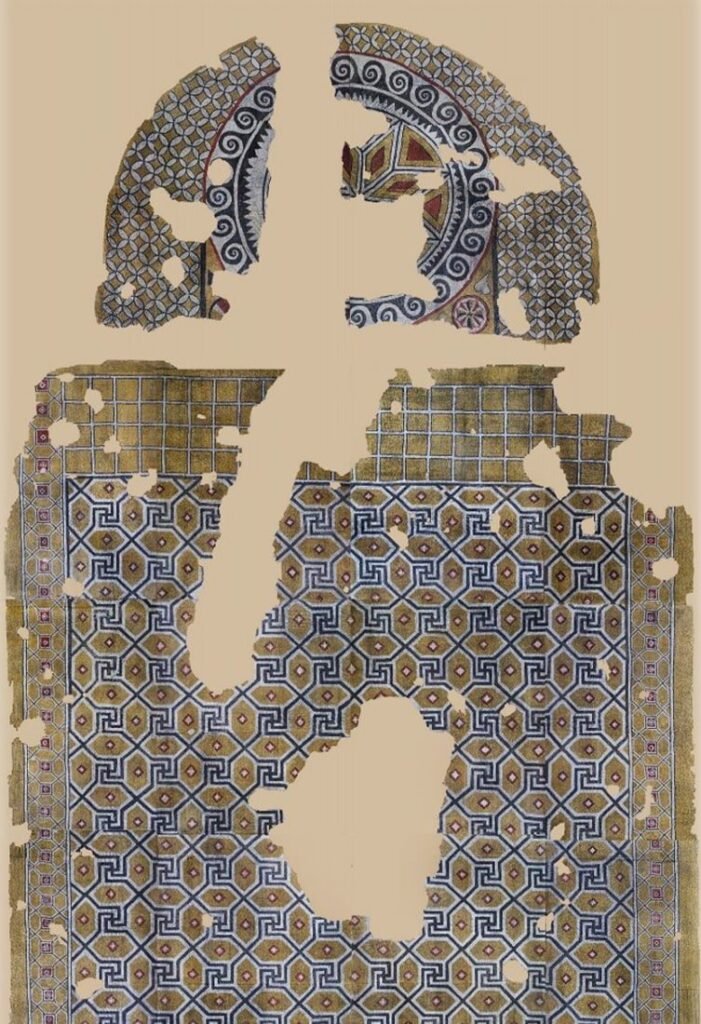
An ancient town with many names, among which Beroe is often mentioned in the written sources. In 46 AD, the town entered the boundaries of the Roman province of Thrace. In 106 Emperor Trajan changed its name to Ulpia Augusta Traiana and gave it the right to self-government. The town grew to be the second […]
Diocletianopolis
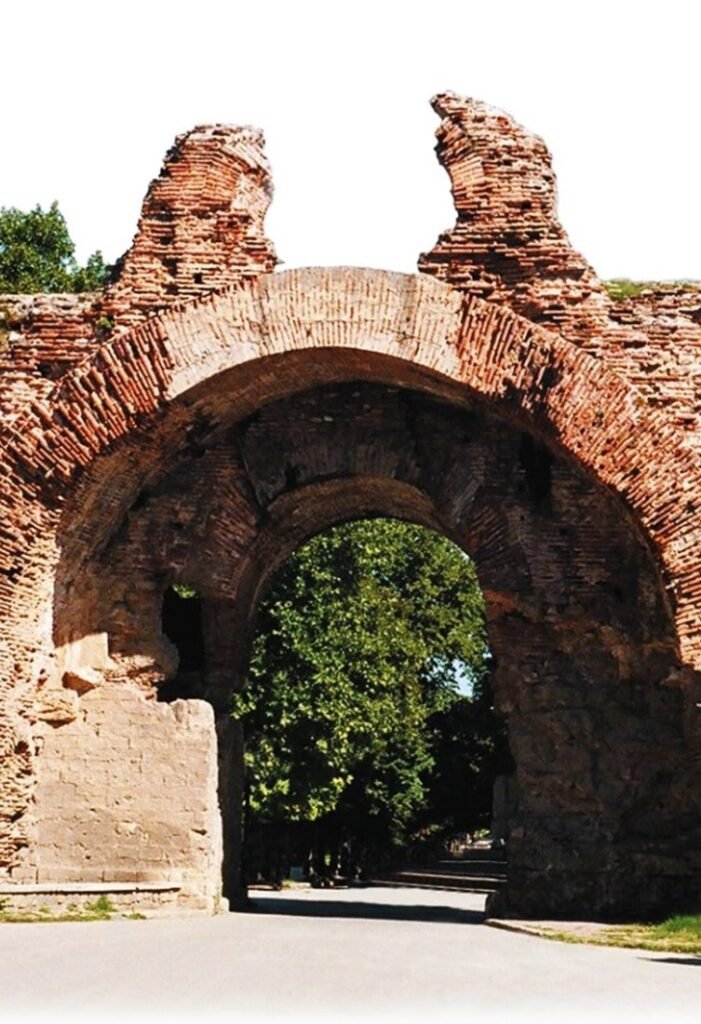
Hisarya is a small but very famous town in southern Bulgaria, 42 km north of Plovdiv. It is located on a sunny plain, a transition from the southern slopes of Sredna Gora to the Thracian Valley, at an altitude of 346 m above sea level. Its climate is transitional-continental, with mild winters. Its greatest wealth […]
Philippopolis
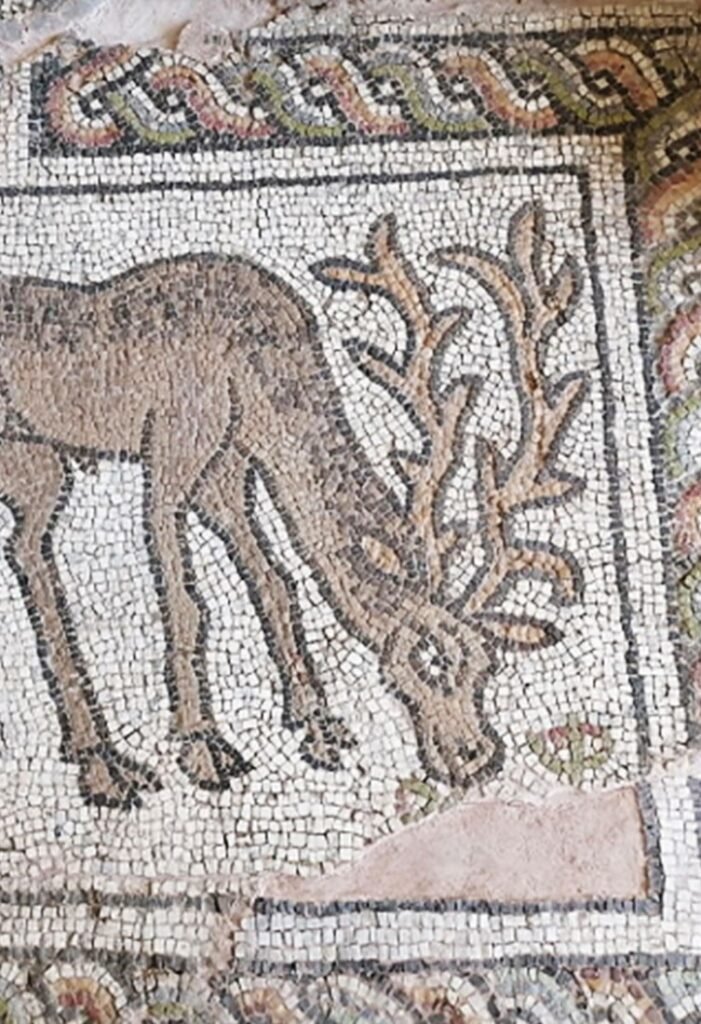
The history of Plovdiv began in the Neolithic – 6th millennium BC – to continue without interruption to this day. The town has had important religious, administrative and political functions throughout its existence. It is the main town of Thrace (or the southern Bulgaria of today) regardless of the historical periods and the administrative center […]
Nimes
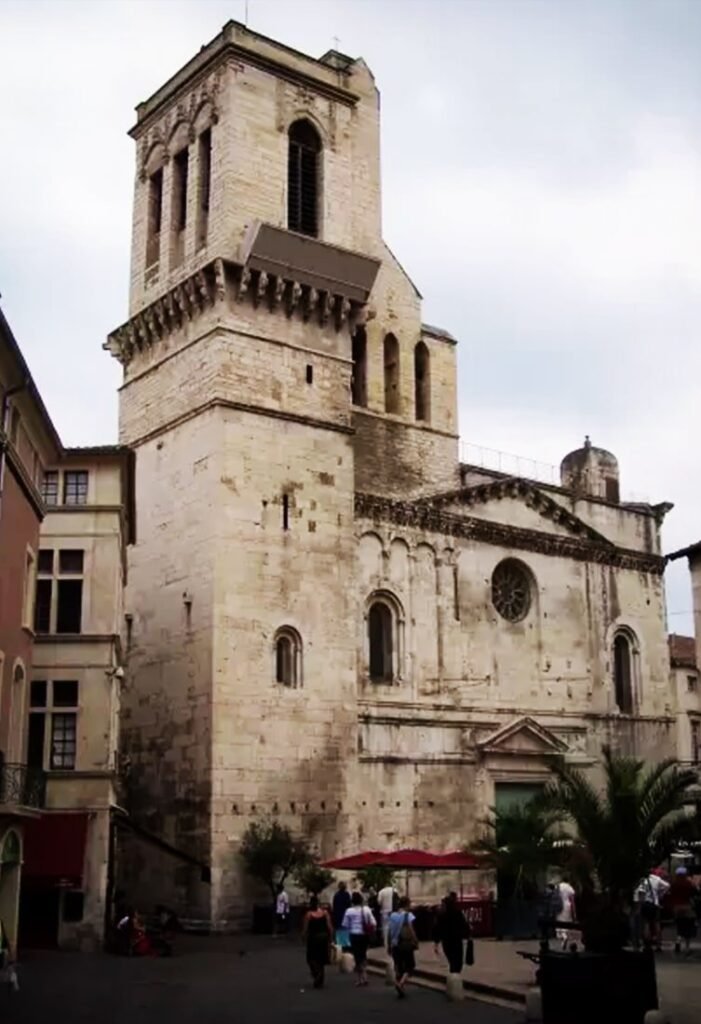
Localidad al SE de Francia, en el departamento de Languedoc-Rosellón, cuyp origen se encuentra en la abundancia de aguas y manantiales, a los que pronto se dedicó a Nemausus, hijo de Hércules. El pueblo de los Volcos Arecomini poblaron la zona y crearton un oppidum o poblado fortificado, que hacia el 120 a. C. fue […]