

Benedictine Abbey of Corvey
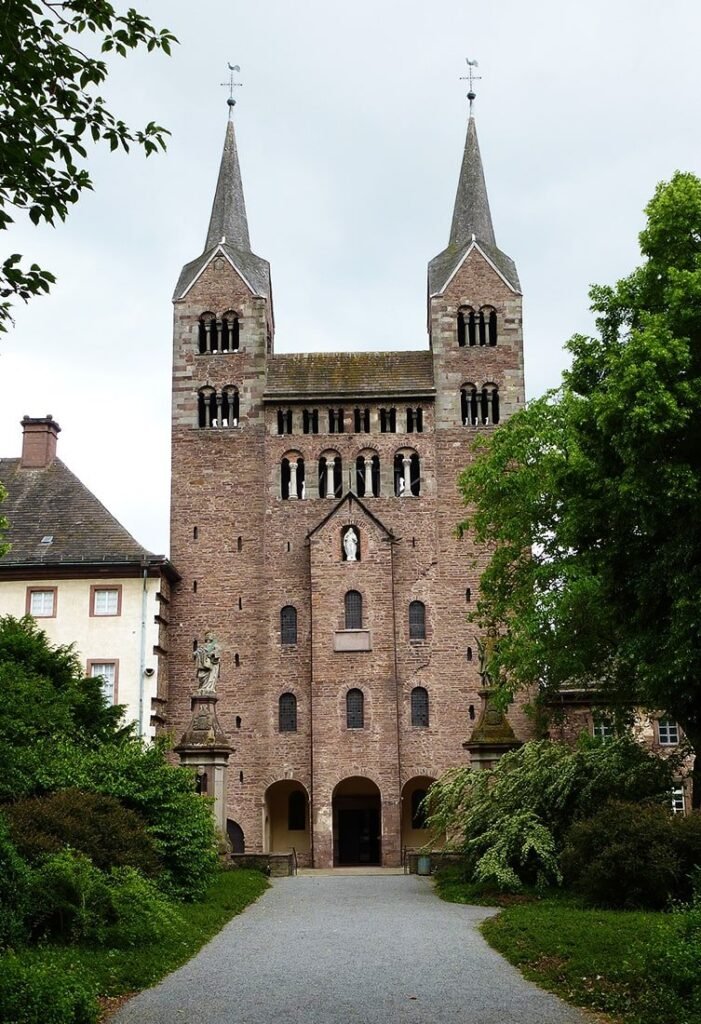
The Princely Abbey of Corvey is a former Benedictine abbey and ecclesiastical principality now in North Rhine-Westphalia, Germany. It was one of the half-dozen self-ruling princely abbeys of the Holy Roman Empire from the late Middle Ages until 1792 when Corvey was elevated to a prince-bishopric. Corvey, whose territory extended over a vast area, was […]
Niederaltaich Abbey
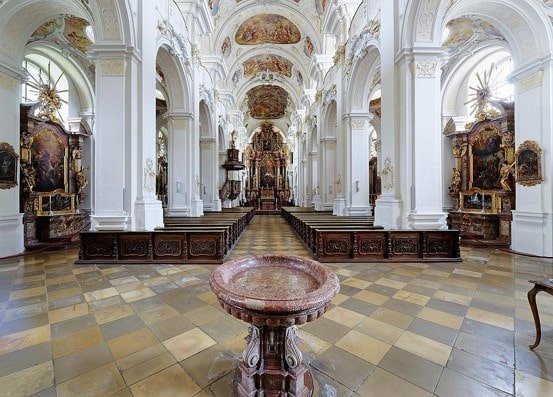
Bordered by the foothills of the Bavarian Forest and the banks of the Danube, the historic abbey of the municipality of Niederaltaich is already an attractive destination due to its natural surroundings alone. The Benedictine monastery of Niederaltaich, founded in 731 or 741 by Duke Odilo of Bavaria and settled by monks from the island […]
Tegernsee Abbey
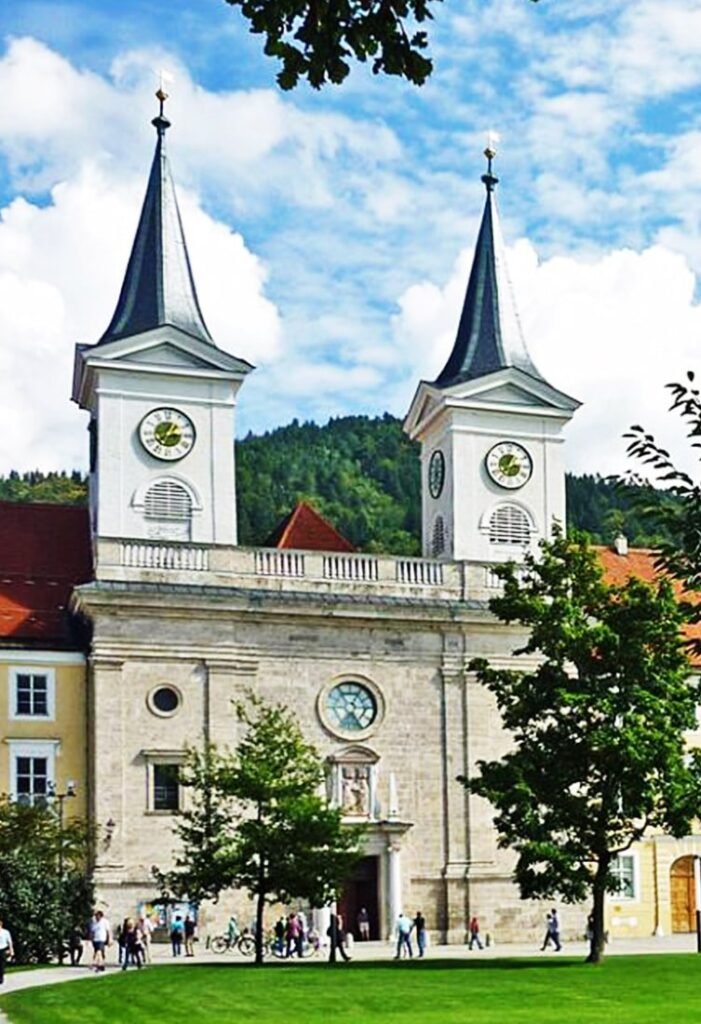
The abbey in Tegernsee is a former Benedictine monastery that is located directly on Lake Tegernsee. The abbey, like the town that grew out of it, is named after the lake, whose name can be translated from the Old German, tegarin seo, meaning large lake. Founded in the 8th century, the abbey represented one of […]
Benedictine Abbey St. Salvator
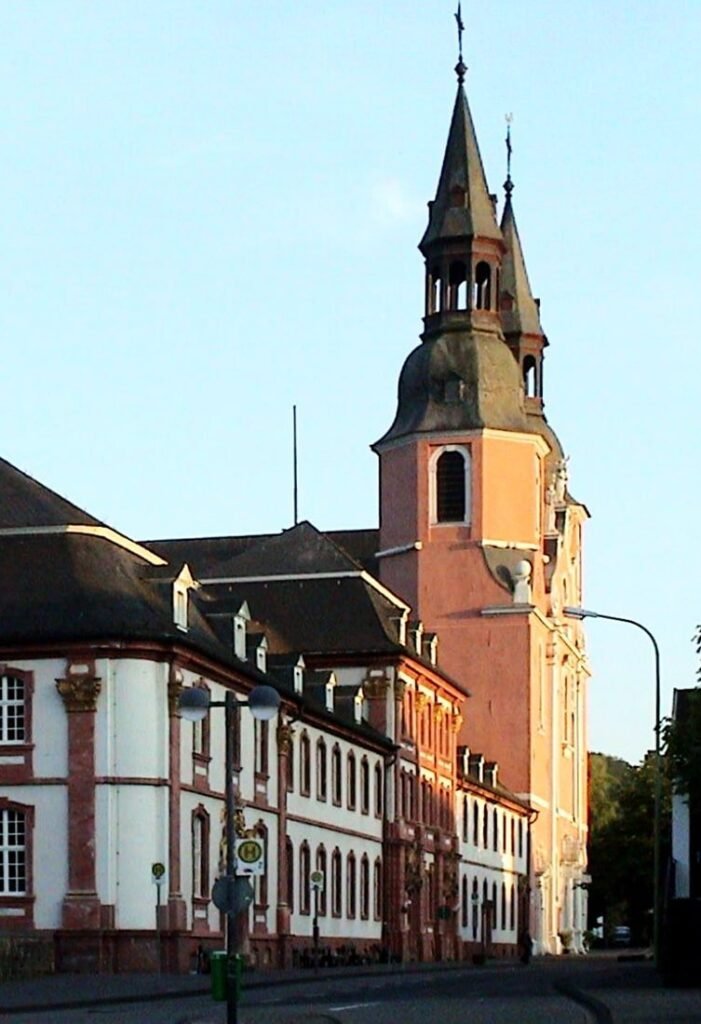
The Benedictine Abbey of St. Salvator is located in the middle of the inner city of the picturesque climatic health resort of Prüm in the Eifel-Ardennes. Its central location within the Frankish Empire brought the monastery the special favour of the Carolingian rulers and enabled it to develop into one of the most important early […]
Hirsau Abbey
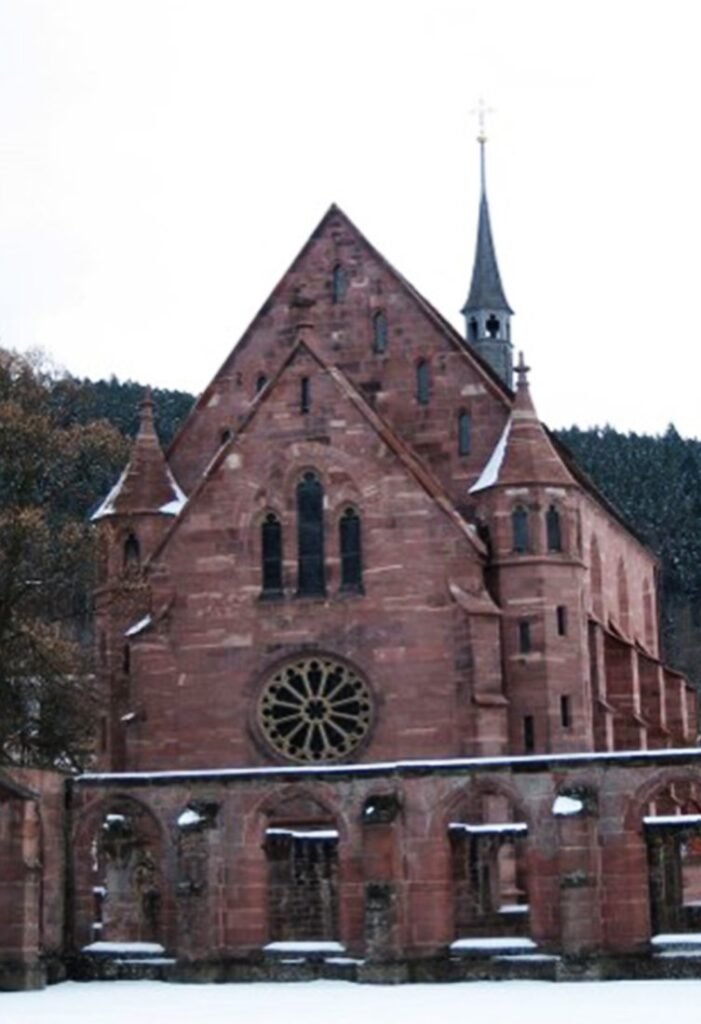
DESCRIPTION AND FORMAL ANALYSIS The history of Hirsau Abbey begins around the year 830, when Bishop Noting of Vercelli brought the bones of St. Aurelius to Hirsau. Erlafried of Calw, a relative of Bishop Noting who had possessions in the area, ordered the construction of St. Aurelius I in the form of a small hall […]
Lorsch Abbey
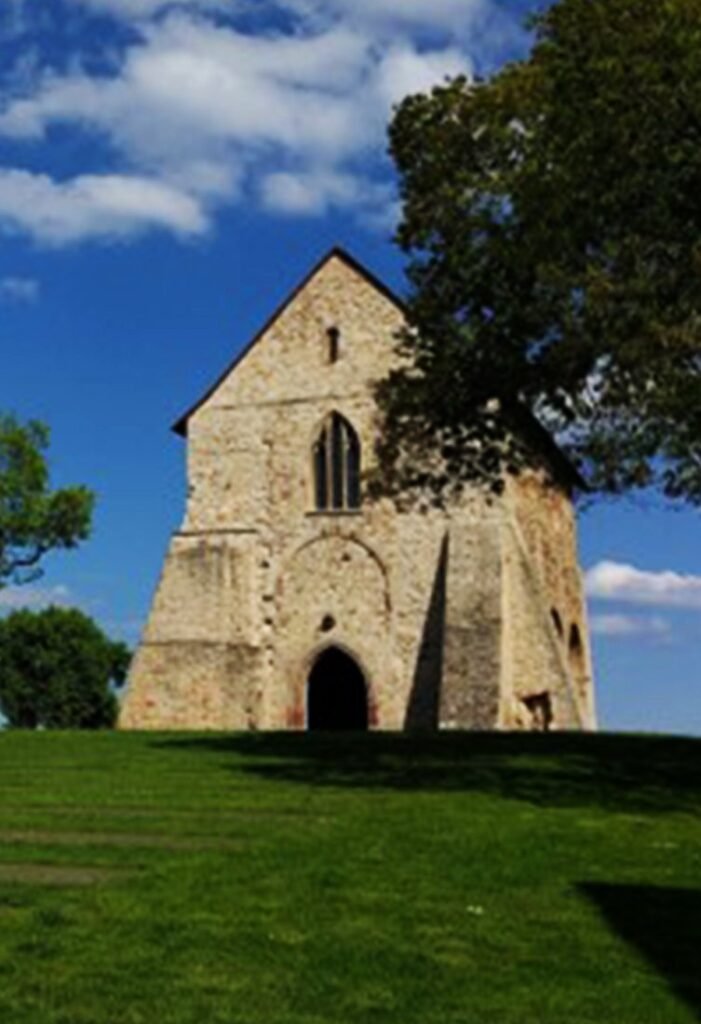
From the date it was originally founded in the Carolingian period up until the High Middle Ages, Lorsch Abbey was one of the most important cultural centres for the dissemination of the educational programme developed by the royal court. The abbey became famous for its scriptorium and comprehensive library, one of the largest and most […]
Benedicte Abbey of Münsterschwaarzach
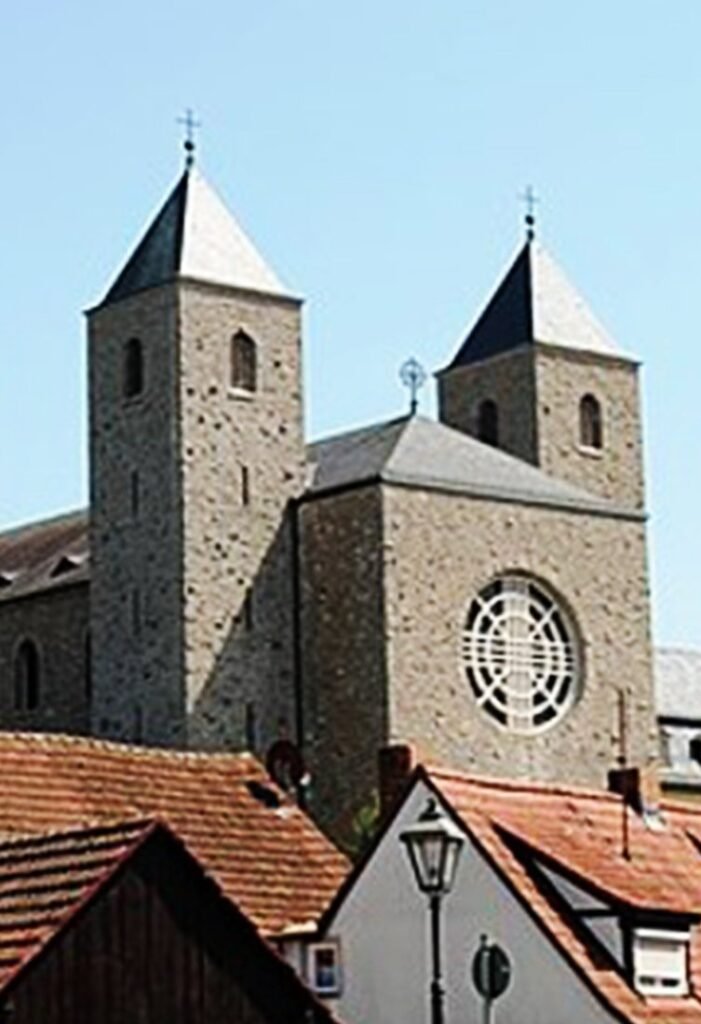
The monastery of Münsterschwarzach near Würzburg in the state of Bavaria is one of the most successful German monasteries. Four huge towers make the monastery to an impressive building. The monastery includes a school and furthermore a place, where guests can stay over night. In addition to that, the “Informationszentrum” inside of the monastery intends […]
Benedicte Abbey of Reicheneau
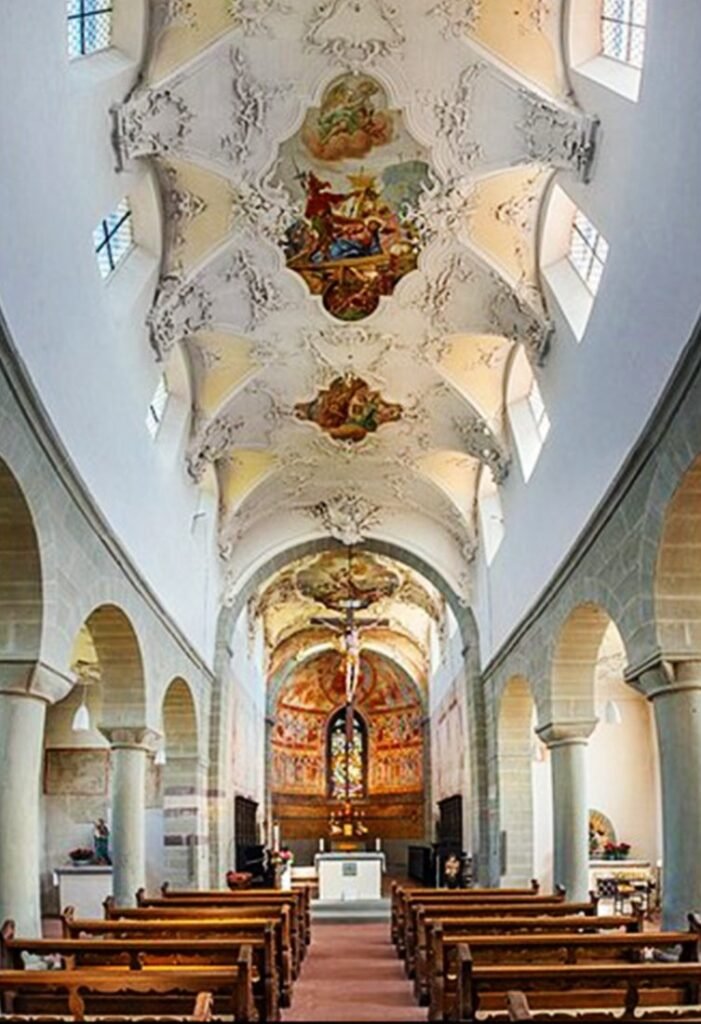
The Romanesque church towers of Reichenau Monastery on the island of the same name on the Bodensse in the far south of Germany can already be seen from the shore. The monastery has been inhabited by monks – with interruptions – for around 1300 years and is considered one of the most important monasteries during […]
The Benedicte Abbey of Ottobeuren
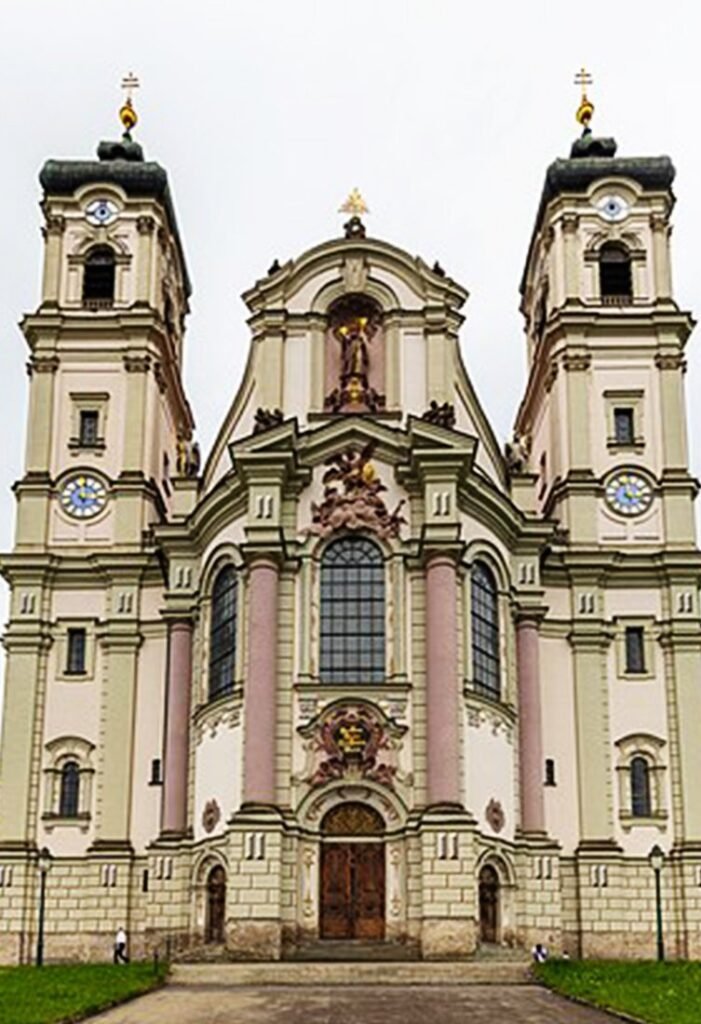
Ottobeuren is located in the region of Oberschwaben near the alpine region of the Allgäu in the province of Baden-Würrtemberg. The town is situated between within a flat valley, through which the small tributary of the Danube river, the Western Günz, is traversing. More broadly, Ottobeuren is situated in relatively close proximity to the Bodensee […]
St. Matthias Abbey
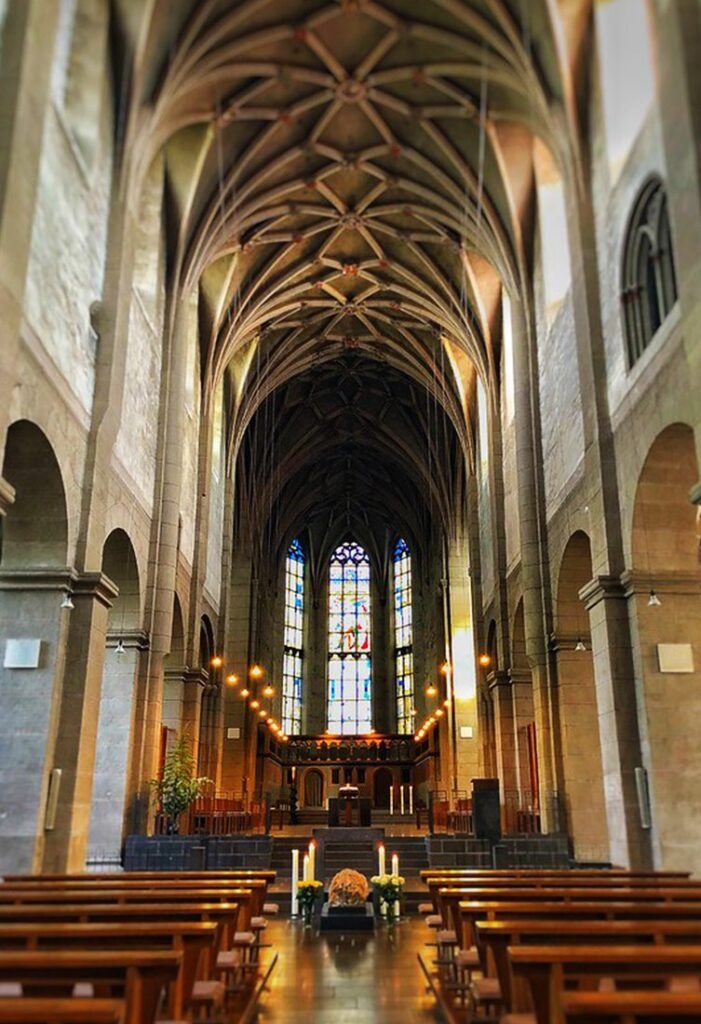
St. Matthias‘ Abbey is a monastery in Trier (Treveris), Rhineland-Palatinate. The abbey has its roots in the mid-5th century, when it was built by Cyrillus, the bishop of Trier, to honor the founders of the archdiocese of Trier, Eucharius and Valerius. That is why the monastery was originally called St. Eucharius‘ Abbey. The bones of […]