

Iglesia de Santa María de Tábara
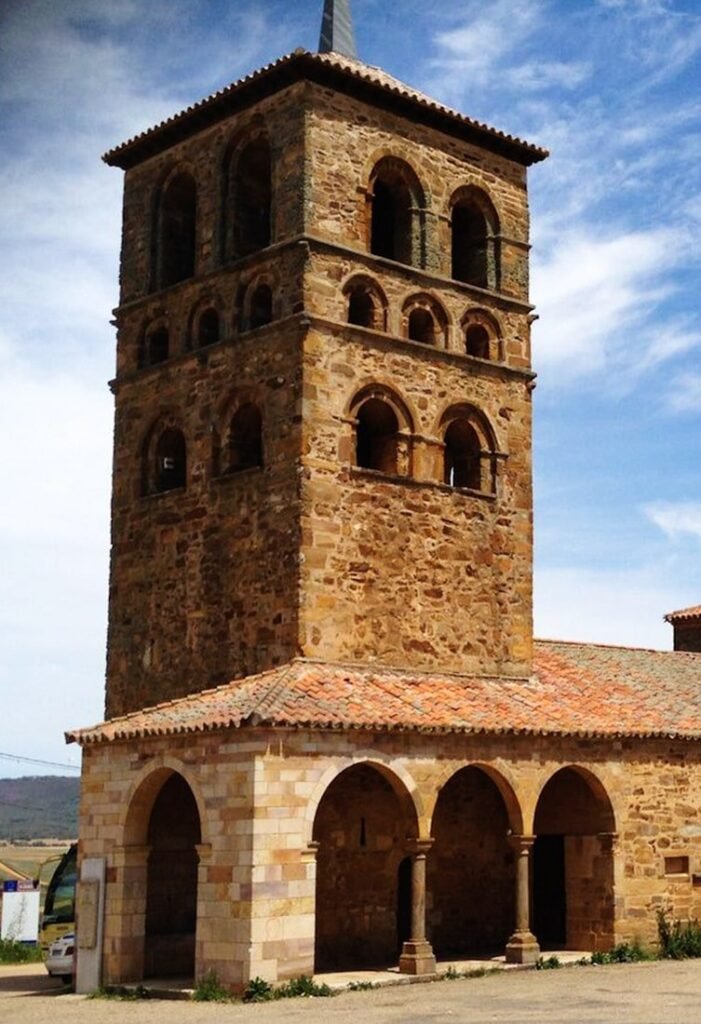
El primitivo monasterio de San Salvador (Tábara, Zamora) fue construido sobre una pequeña loma, en las últimas estribaciones de la Sierra de la Culebra y junto al arroyo del Casal. Su fundación se debió a la iniciativa de dos monjes, San Froilán y San Atilano, que años después fueron nombrados obispos de León y Zamora, […]
The Monastery of Saint John of Vazelon
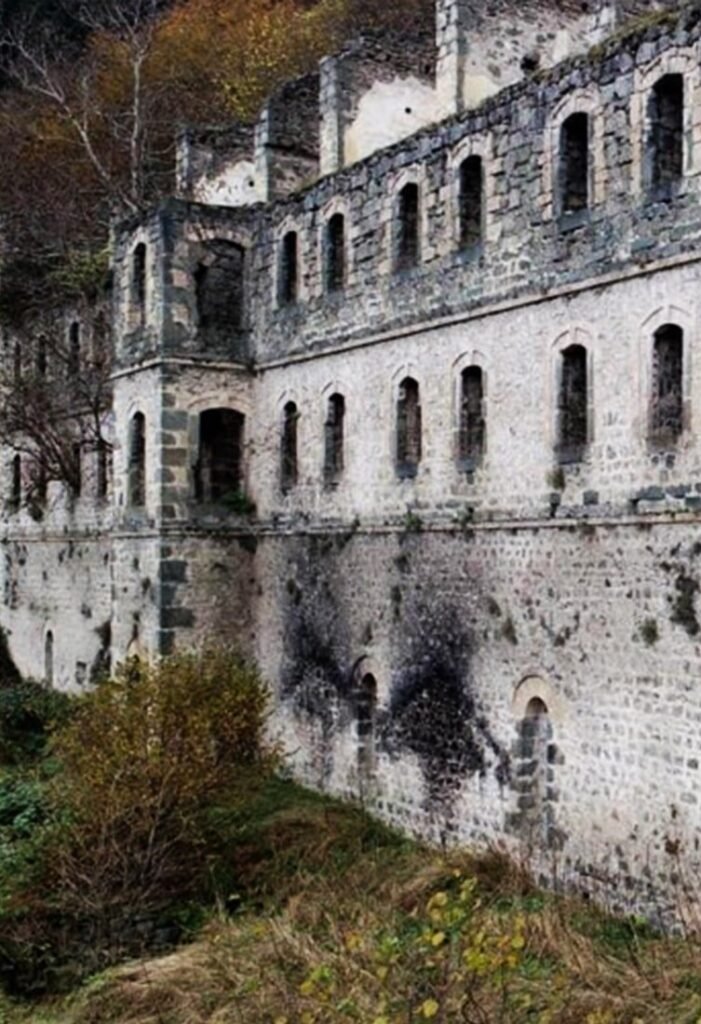
The Monastery of Vazelon (Μονή Βαζελώνος) is or the Monastery of Ioannes Prodromos (Αγίου Ιωάννου Προδρόμου) a ruin located in the Black Sea region of Turkey, which had been regarded as a center of Greek Orthodox life in Maçka area, retaining some control over surrounding villages until its disestablishment. Today, the monastery is accepted one […]
The Monastery of Soumela
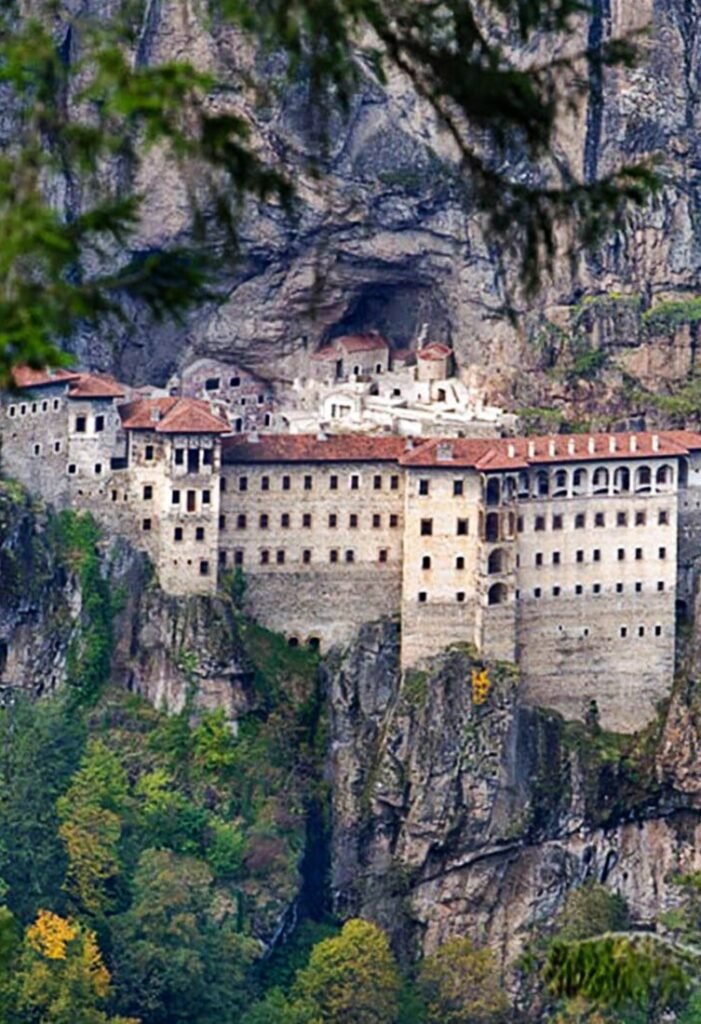
The Monastery of Soumela is a Greek Orthodox monastery which was dedicated to Theotokos. The monastic complex is located at Karadag (Black Mountain, Sou Mela) which is a part of Pontic Mountains and today in Maçka, Trabzon. Soumela is nestled in a steep cliff at an altitude of about 1200 meters, facing the Altindere Valley. […]
The Monastery of Mor Augin
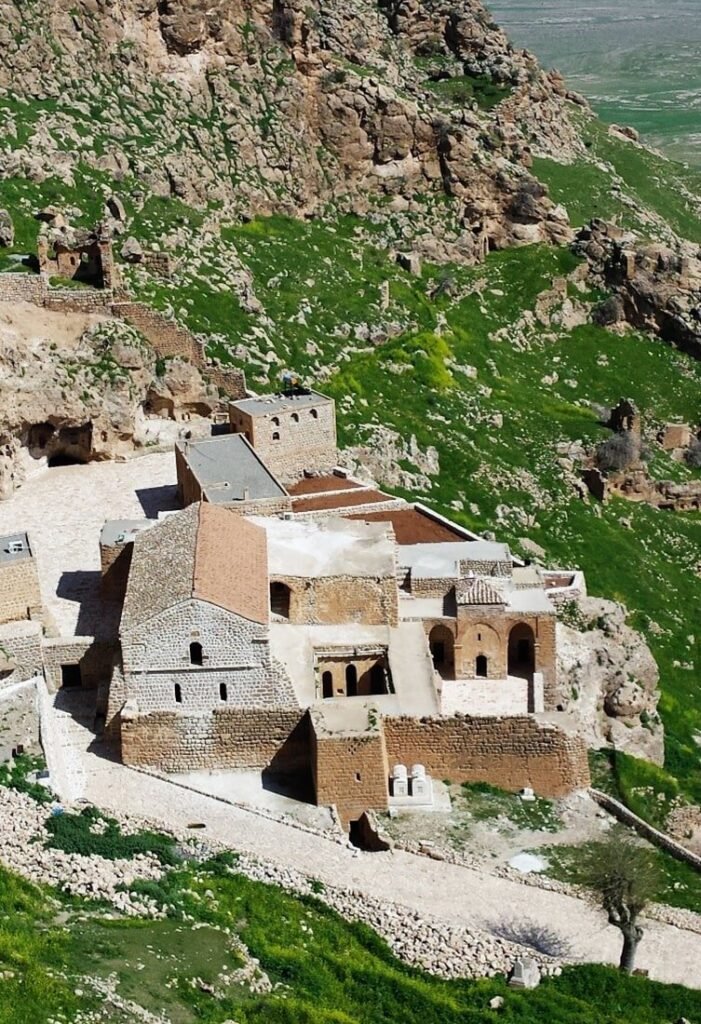
The monastic complex of Mor Augin lies high above the Plain of Nusaybin among the steep cliffs of Mount Izlo, part of the historical region of the Ṭūr ‘Abdīn and currently located in the Turkish Province of Mardin. According to the local tradition, this is the most ancient monastery in the area, founded in the […]
The Monastery of Mor Gabriel
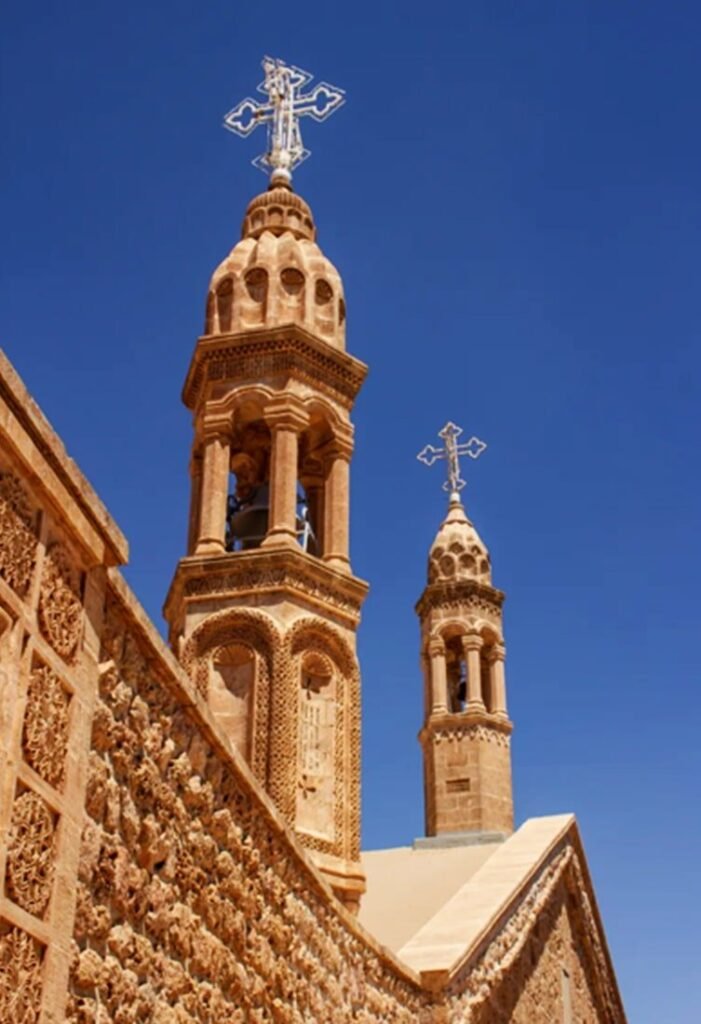
The Monastery of Mor Gabriel, historically near the village of Qartmin and presently located 22 kilometers S-E of city of Midyat (Mardin Prov.), is the seat of the bishop of Ṭūr ‘Abdīn. It is a large monastery with buildings dating to various periods. The foundation myth of the monastery, in the hagiographic text named “Qartmin […]
Serdica
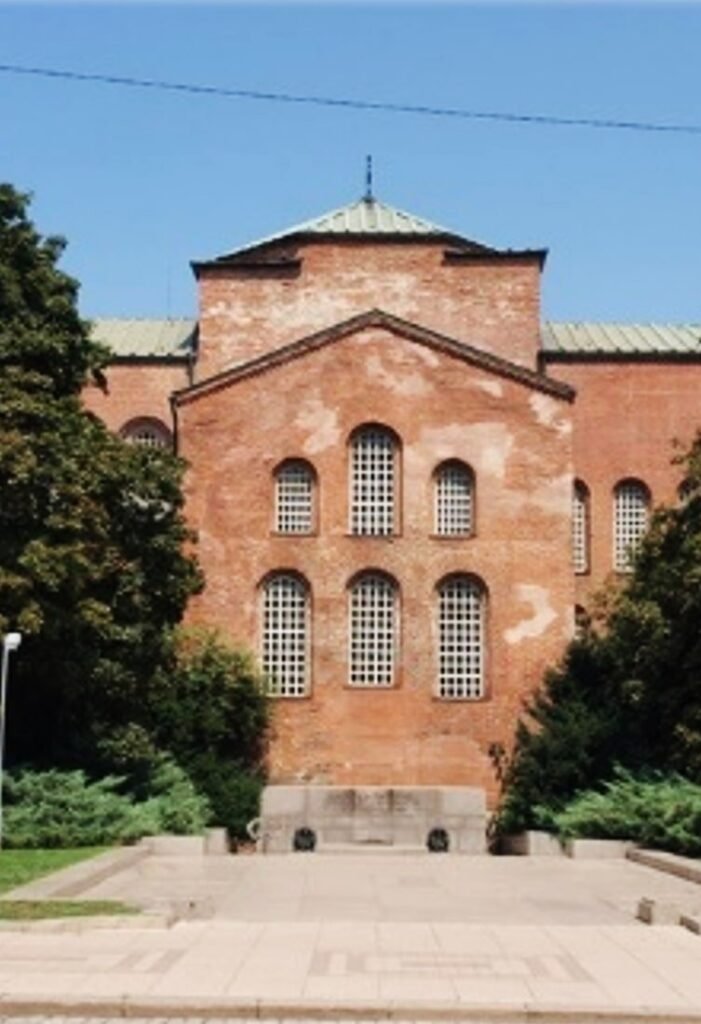
The birth of Serdica refers to the mid 1st century AD. It is likely that its foundation was connected with the annexation of the Thracian Kingdom of Rhoimetalkes III in 45 AD. The newly formed Roman province was named Thrace and submitted to the rule of a procurator. The archaeological evidence shows that the original […]
Novae Archaeological Site
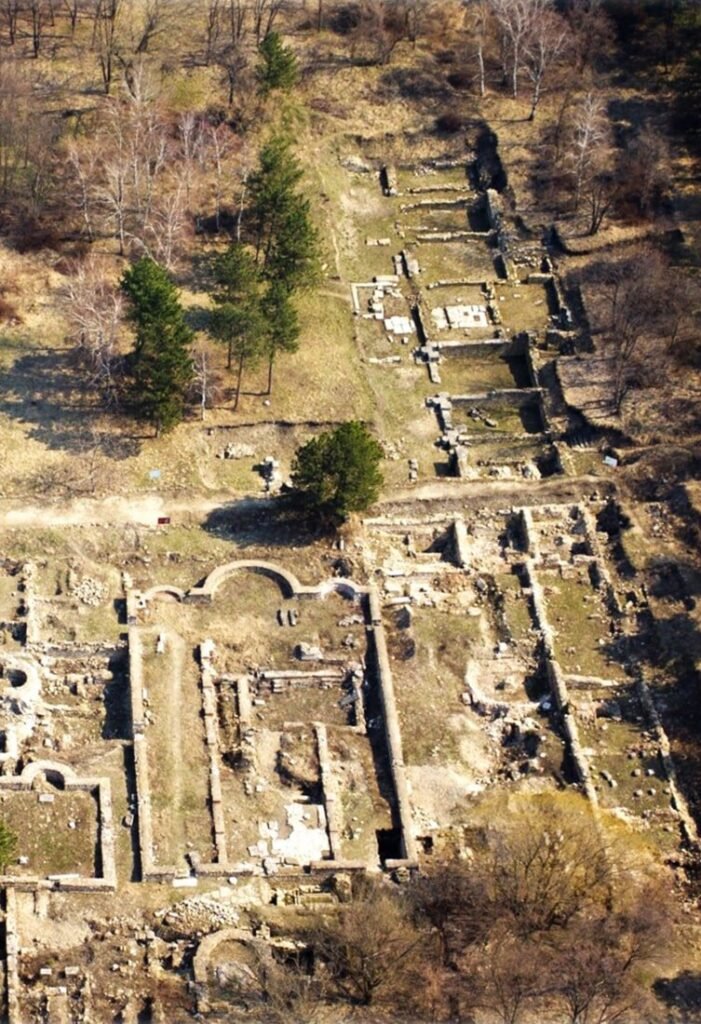
Novae is located next to the present-day town of Svishtov, on the banks of the Danube River. The archaeological research there began in the 1960s under the leadership of a Bulgarian-Polish team. It was originally organized as a military camp for the defense of the Limes along the Lower Danube. The Legio VIII Augusta was […]
National Architectural and Archaeological Reserve Durostorum
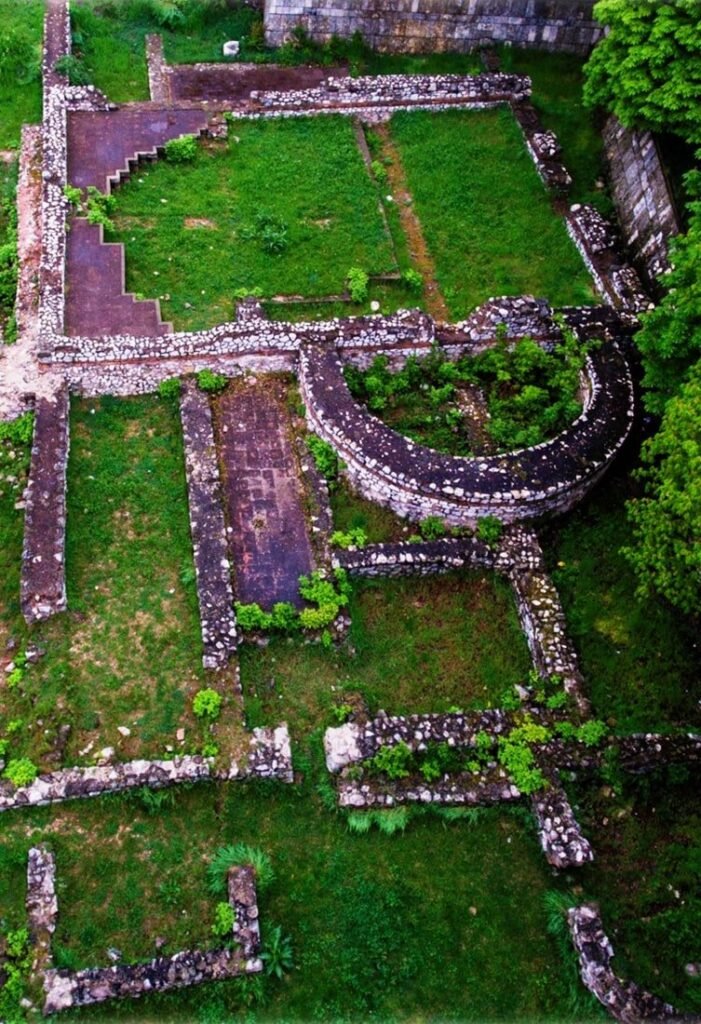
For the protection of the Lower Danube territories against the continuous raids of the Barbarians from the North, after the victory over the Dacians in 106 AD, one of the most capable military units of the Roman Empire was stationed there by order of Emperor Trajan (97 – 117) – Legio XI Claudia. According to […]
Archaeological site of Zaldapa
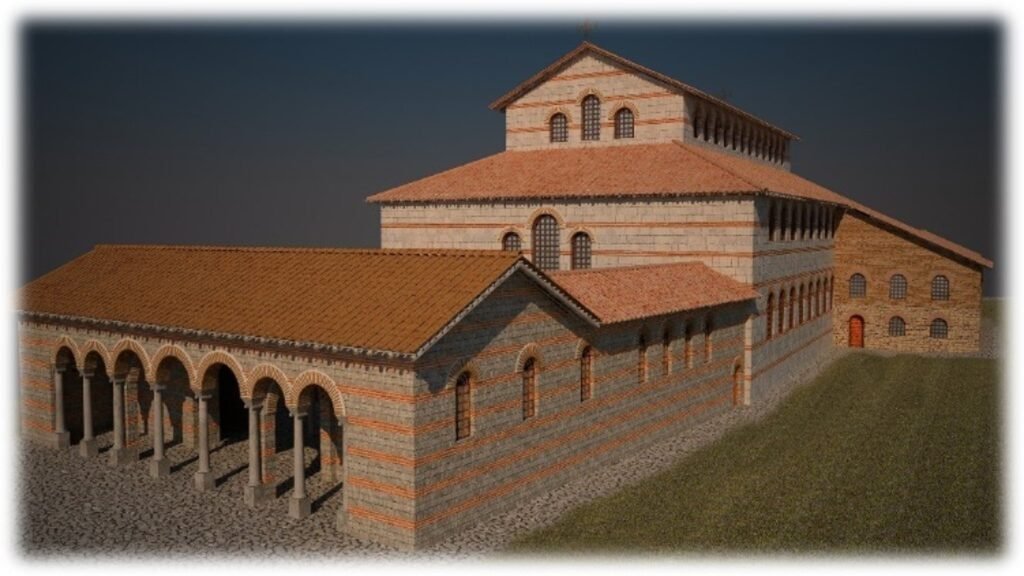
Zaldapa is the largest fortified Roman-Byzantine town in the interior of the Roman province of Scythia (Dobrudzha). The name Zaldapa itself (Zaldapa, Zeldepa, Zeldipas, Zardapa, Zelpa) is believed to be of a Thracian or Daco-Moesian origin and can literally be translated as «yellow (golden) cold (?) water / river (?)». Indeed, at the foot of […]
Marcianopolis
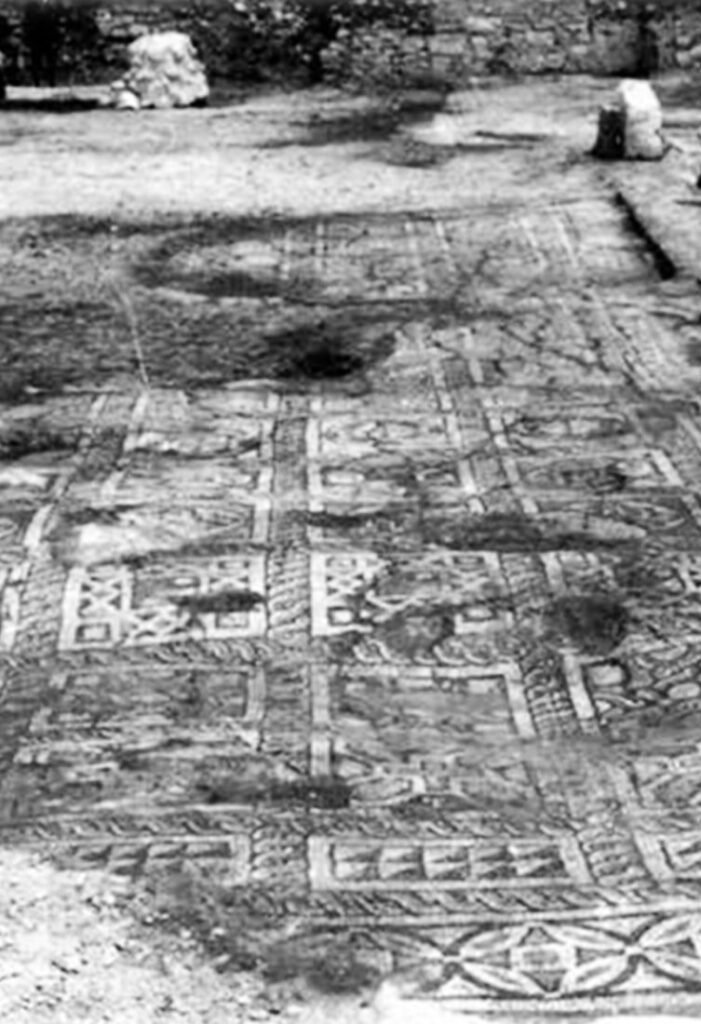
In 1829, the Russian archaeologist I. F. Blaramberg (1772–1831) identified the ruins near the springs of Reka Devnya village as Marcianopolis, a town well known from the ancient written sources. Later on, Hungarian ethnographer Felix Kanitz (1882), Czech historian Konstantin Jireček (1888) and Austrian epigrapher Ernst Kalinka (1906) also wrote about the town. The initial […]