

The Monastery of Mor Hananyo
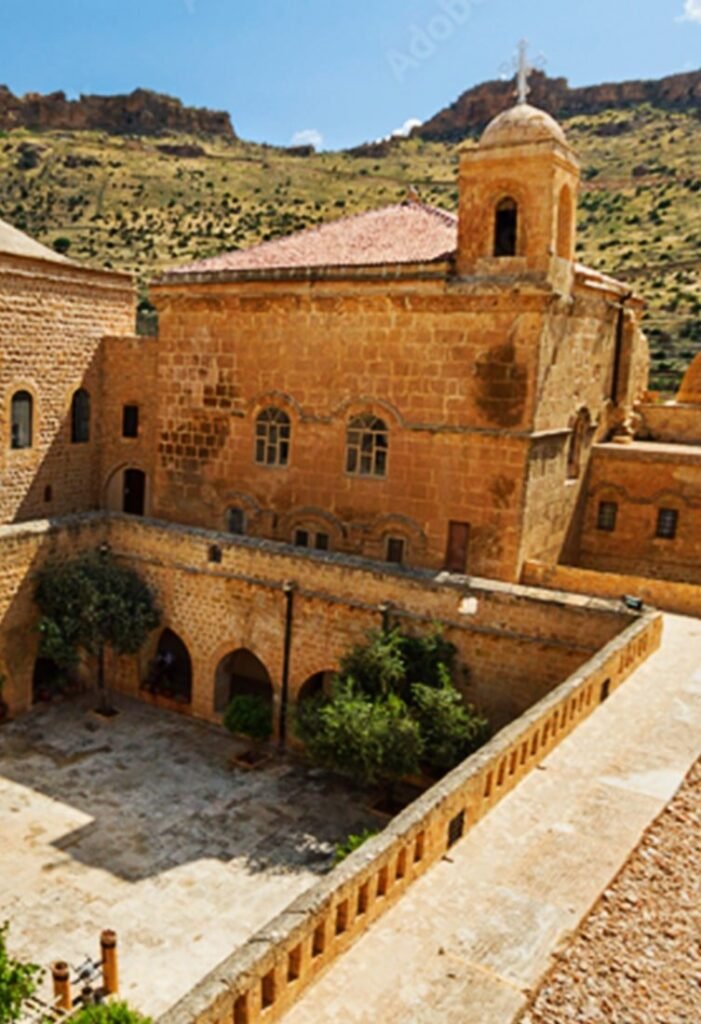
The monastic complex of Mor Ḥananyo is located 5 kilometers East of the Turkish city of Mardin, capital of the homonymous province. It lies in a shallow basin half-way up the side of the mountain ridge. It’s ancient name of “Monastery of St Ananias” was due to a bishop of Mardin, who rebuilt the monastery […]
The Monastery of Mor Lo´ozor
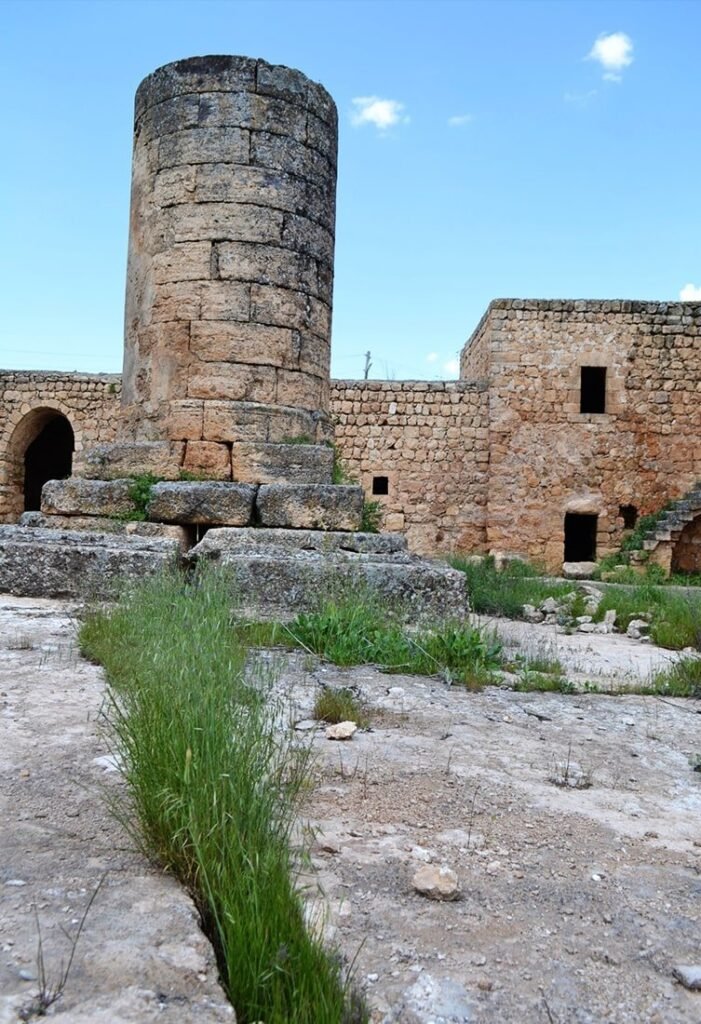
Mor Lo’ozor Monastery is on the top of a hill, few kilometers from the village of Mercimekli (Syriac Habsenas) north of Midyat. The British historian Andrew Palmer claims that it was founded by Shem‘un, the son of Mundar of Habsenas, who died in 734 (Palmer, Andrew. ‘La Montagne Aux LXX Monastères. La Géographie Monastique Du […]
The Monastery of Mor Yakub at Salah
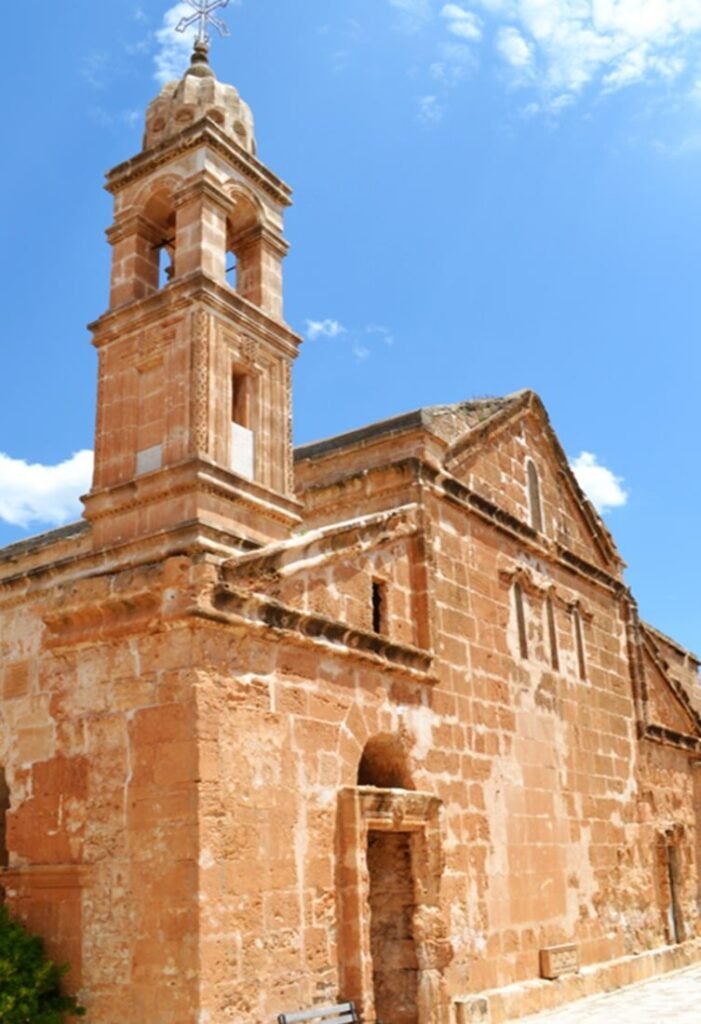
The Monastery of Mor Yakub lies in a valley West of the village of Ṣalaḥ. Its foundation dates back to the 5th or 6th century, based on comparisons with the plan of Mor Gabriel complex and to the tradition that it was founded on the site of the martyrdom of the Egyptian monk Mor Barshabo, […]
The Monastery of Saint Simeon Stylites The Younger
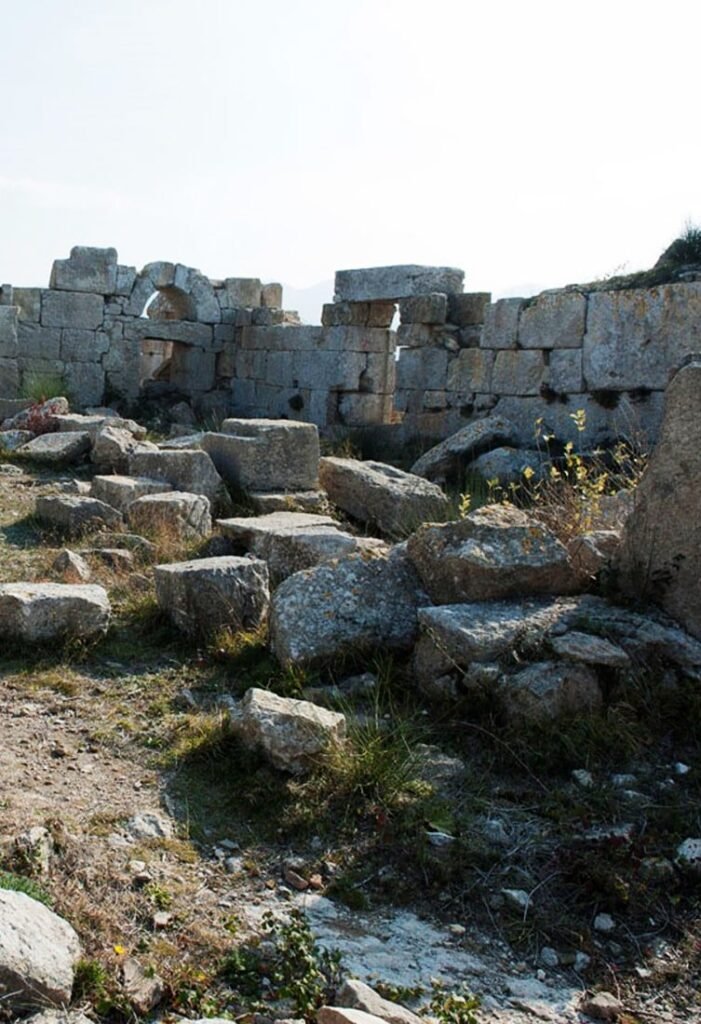
The Monastery of Saint Simeon Stylites the Younger (Turkish: Aziz Simon manastır) lies on a hill roughly 29 kilometers southwest of Antakya and 6 kilometers to the east of Samandağ, in the southernmost Turkish province of Hatay. This was said to stand on the «miraculous mountain», possibly because it was near Mt. Cassius which was […]
Serdica
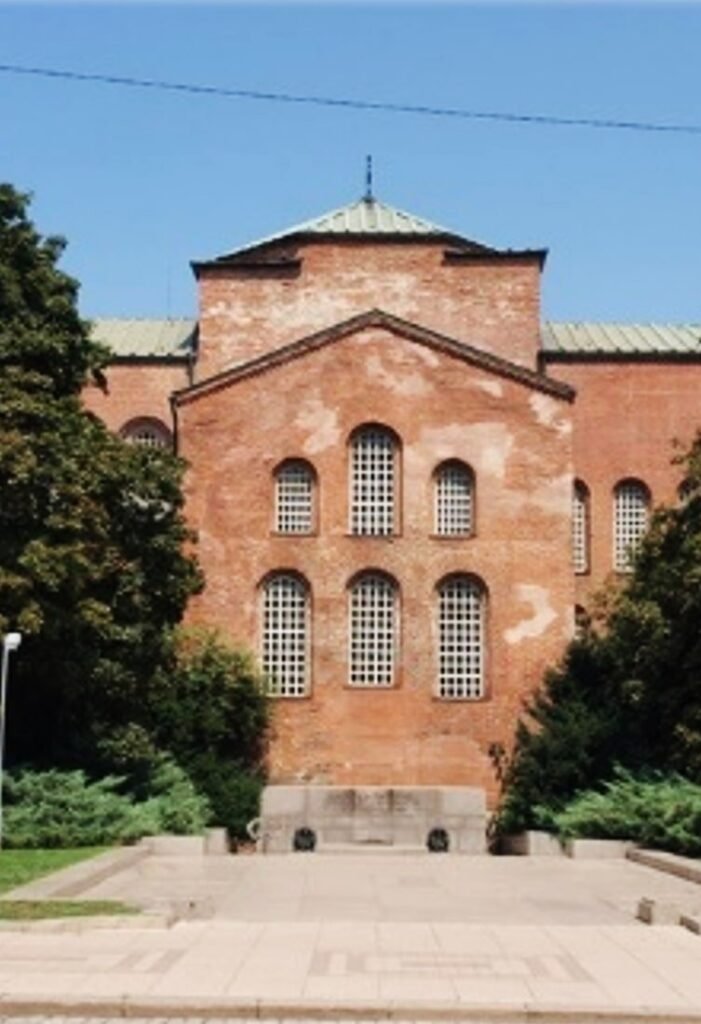
The birth of Serdica refers to the mid 1st century AD. It is likely that its foundation was connected with the annexation of the Thracian Kingdom of Rhoimetalkes III in 45 AD. The newly formed Roman province was named Thrace and submitted to the rule of a procurator. The archaeological evidence shows that the original […]
Novae Archaeological Site
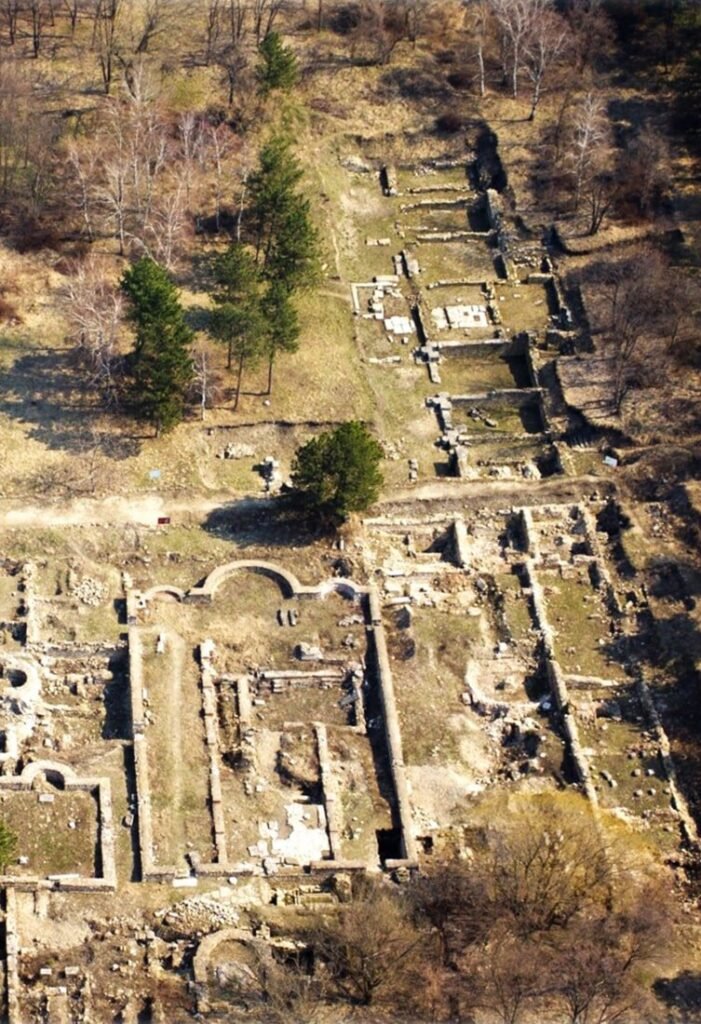
Novae is located next to the present-day town of Svishtov, on the banks of the Danube River. The archaeological research there began in the 1960s under the leadership of a Bulgarian-Polish team. It was originally organized as a military camp for the defense of the Limes along the Lower Danube. The Legio VIII Augusta was […]
National Architectural and Archaeological Reserve Durostorum
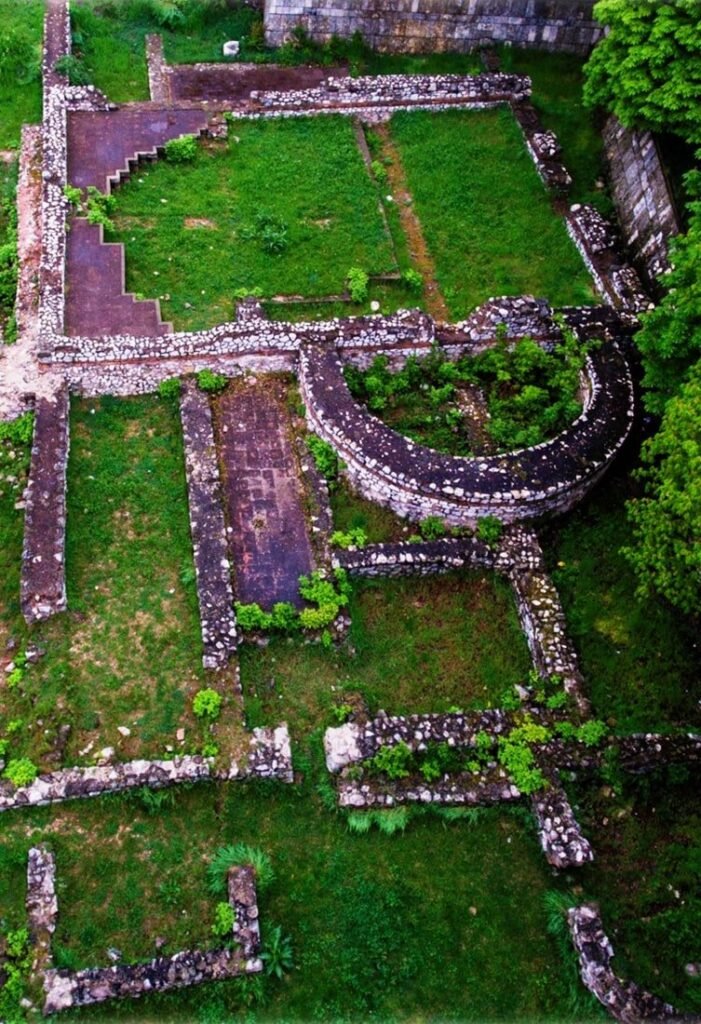
For the protection of the Lower Danube territories against the continuous raids of the Barbarians from the North, after the victory over the Dacians in 106 AD, one of the most capable military units of the Roman Empire was stationed there by order of Emperor Trajan (97 – 117) – Legio XI Claudia. According to […]
Archaeological site of Zaldapa
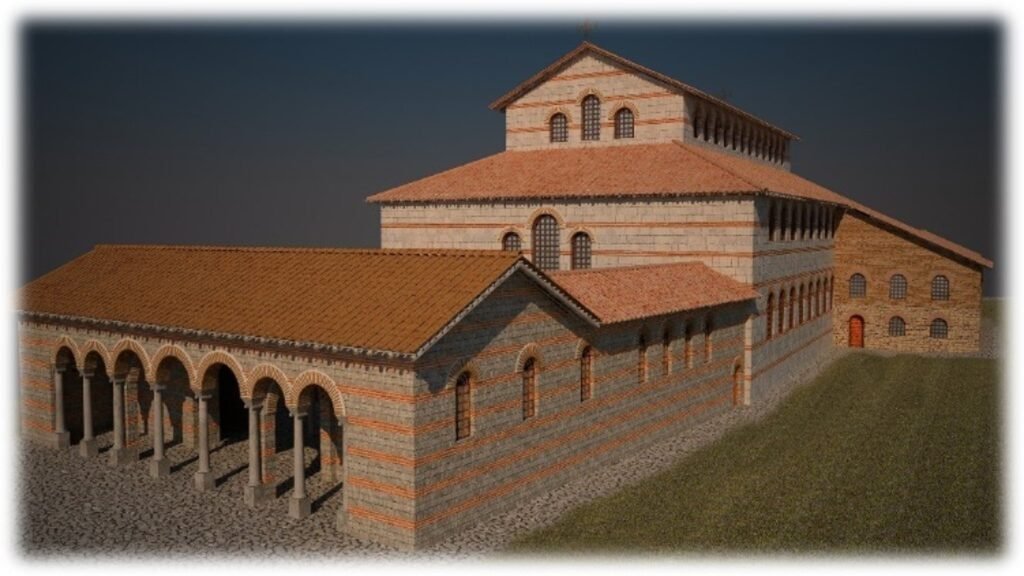
Zaldapa is the largest fortified Roman-Byzantine town in the interior of the Roman province of Scythia (Dobrudzha). The name Zaldapa itself (Zaldapa, Zeldepa, Zeldipas, Zardapa, Zelpa) is believed to be of a Thracian or Daco-Moesian origin and can literally be translated as «yellow (golden) cold (?) water / river (?)». Indeed, at the foot of […]
Marcianopolis
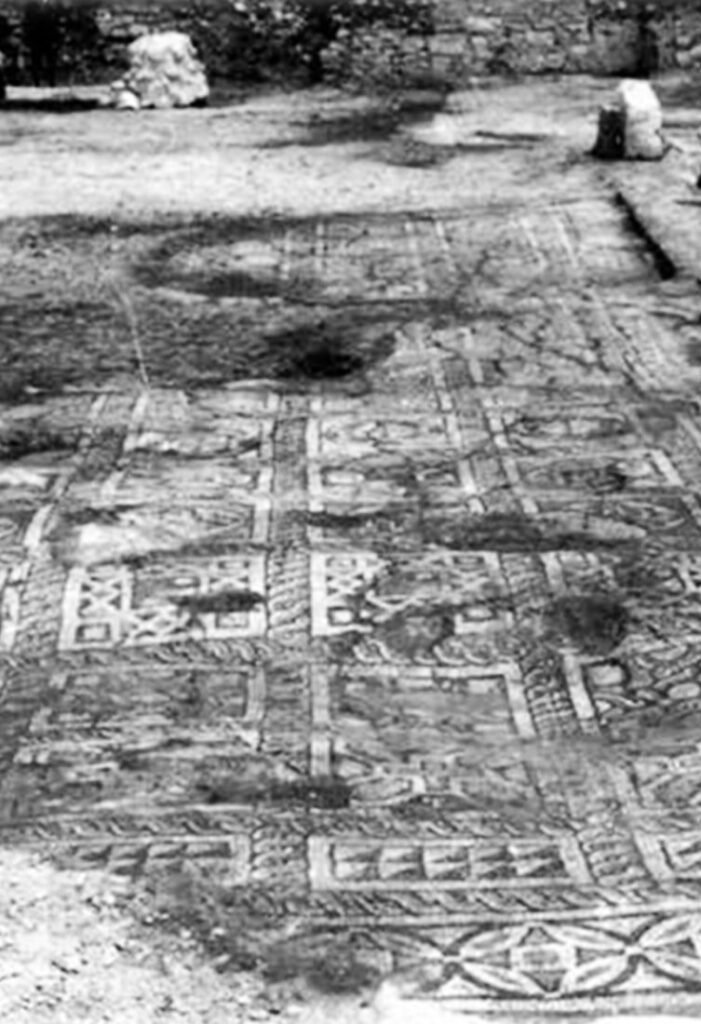
In 1829, the Russian archaeologist I. F. Blaramberg (1772–1831) identified the ruins near the springs of Reka Devnya village as Marcianopolis, a town well known from the ancient written sources. Later on, Hungarian ethnographer Felix Kanitz (1882), Czech historian Konstantin Jireček (1888) and Austrian epigrapher Ernst Kalinka (1906) also wrote about the town. The initial […]
Odessos
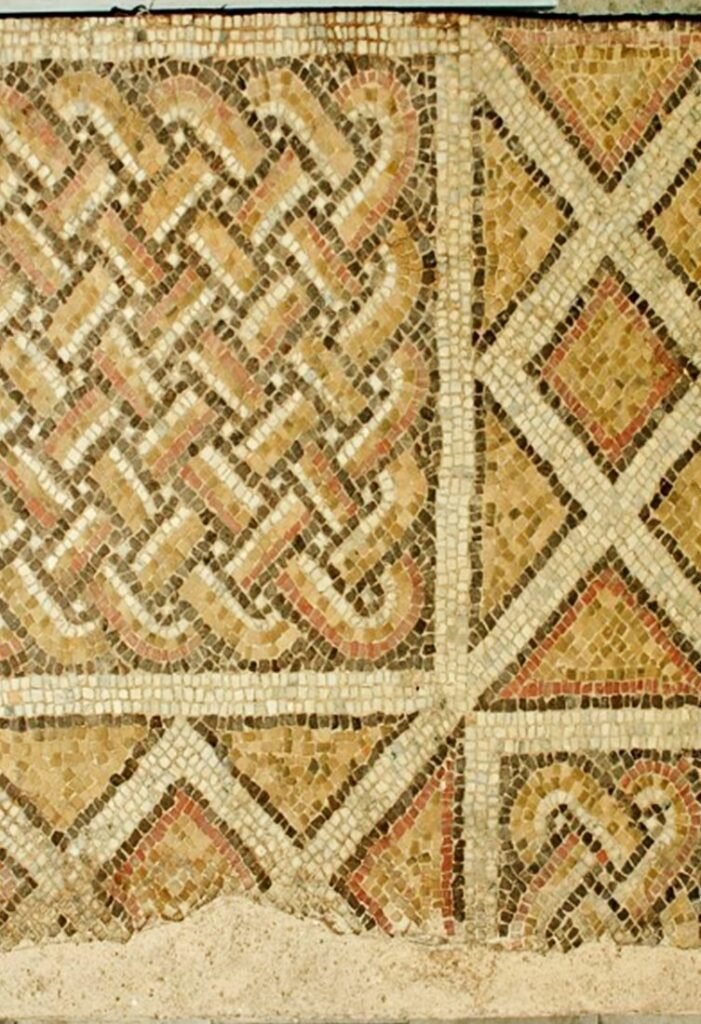
Odessos was established as an apoikia on the western coast of the Pontos Axeinos (the Black Sea). The founders of the polis arrived from Miletus as a result of the ancient Hellenic migratory activity. The town has been known under the same name from the second quarter of the 6th c. BC to the first […]