

El Yacimiento de València La Vella
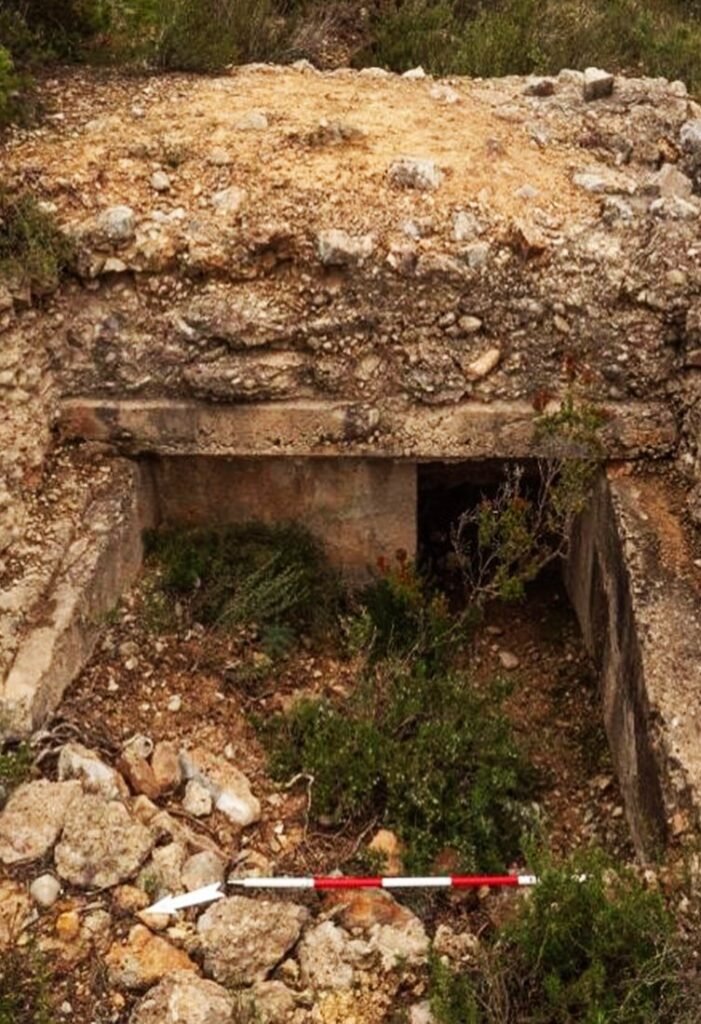
El patrimonio arqueológico hispánico aún es una fuente de grandes sorpresas a inicios del siglo XXI. El asombro es que nos referimos a un yacimiento extenso, de unas 5 hectáreas urbanizadas sobre una terraza elevada y escalonada entre la ribera derecha del río Túria y el Barranc dels Clavills, sólo accesible desde el lado occidental, […]
Yacimiento Arqueológico de El Monastil
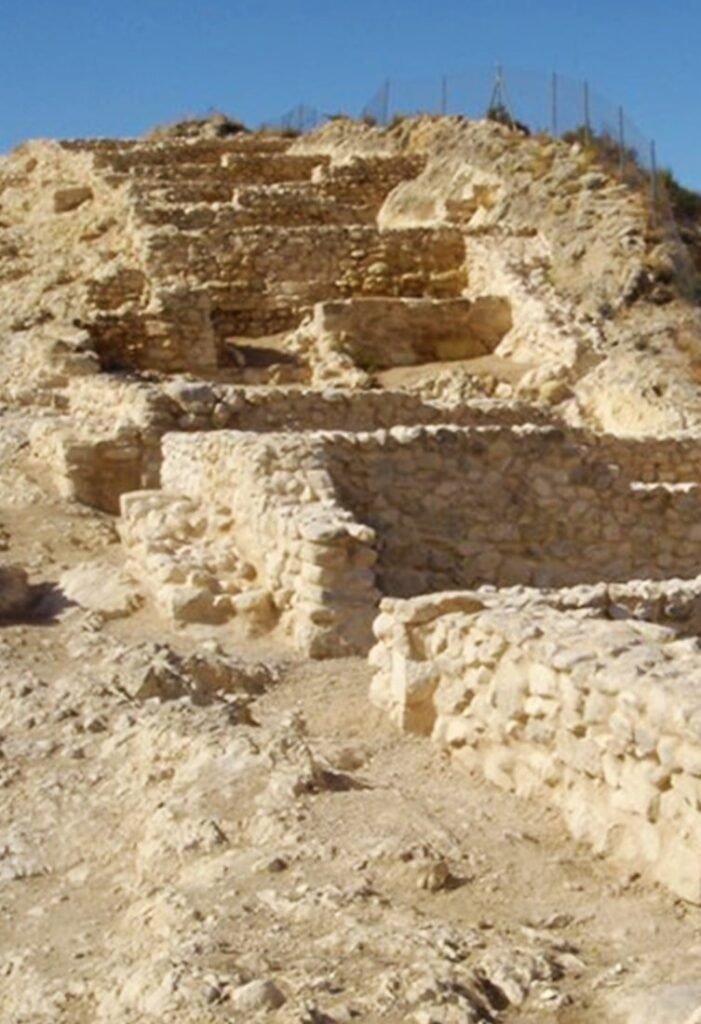
El yacimiento se encuentra ubicado a 1 km del centro histórico de Elda, en la salida a la autovía de Alicante-Madrid, en el extremo oriental de la sierra de La Torreta-El Monastil, rodeado por un amplio meandro del río Vinalopó.
Centro Arqueológico de L´Almoina
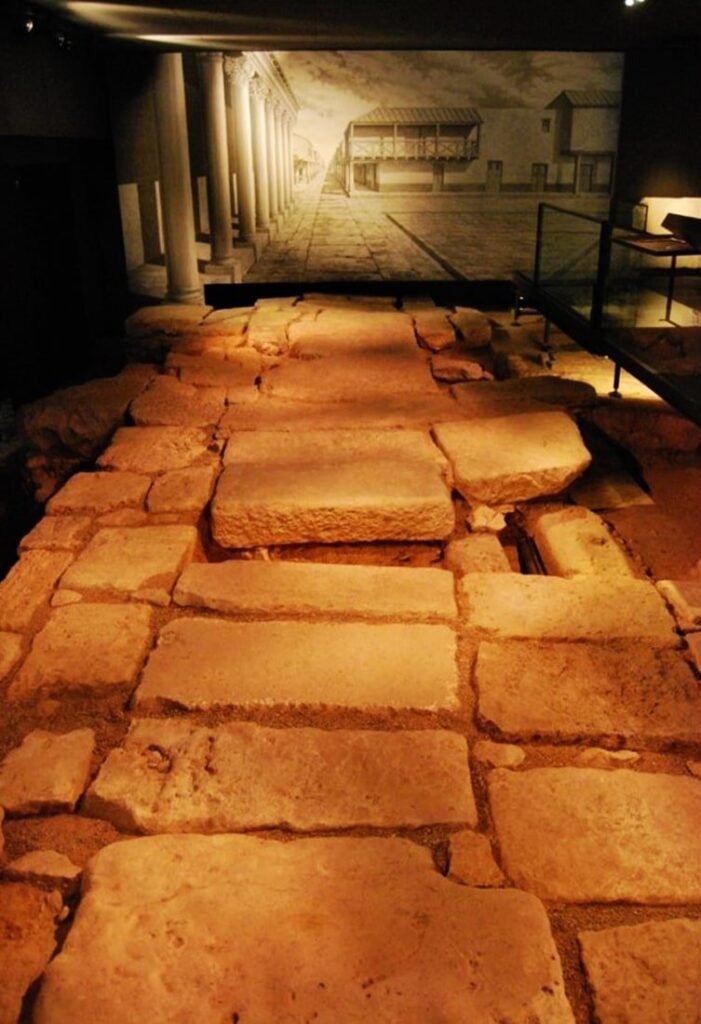
De los lugares de interés arqueológico de Valencia la zona de la plaza de l’Almoina es la más destacada, tanto por su riqueza, como por su estado de conservación. Conseguir su preservación ha sido un camino largo que ha concluido en un moderno centro acondicionado para los ciudadanos y visitantes. Está emplazado en pleno corazón […]
Pla de Nadal
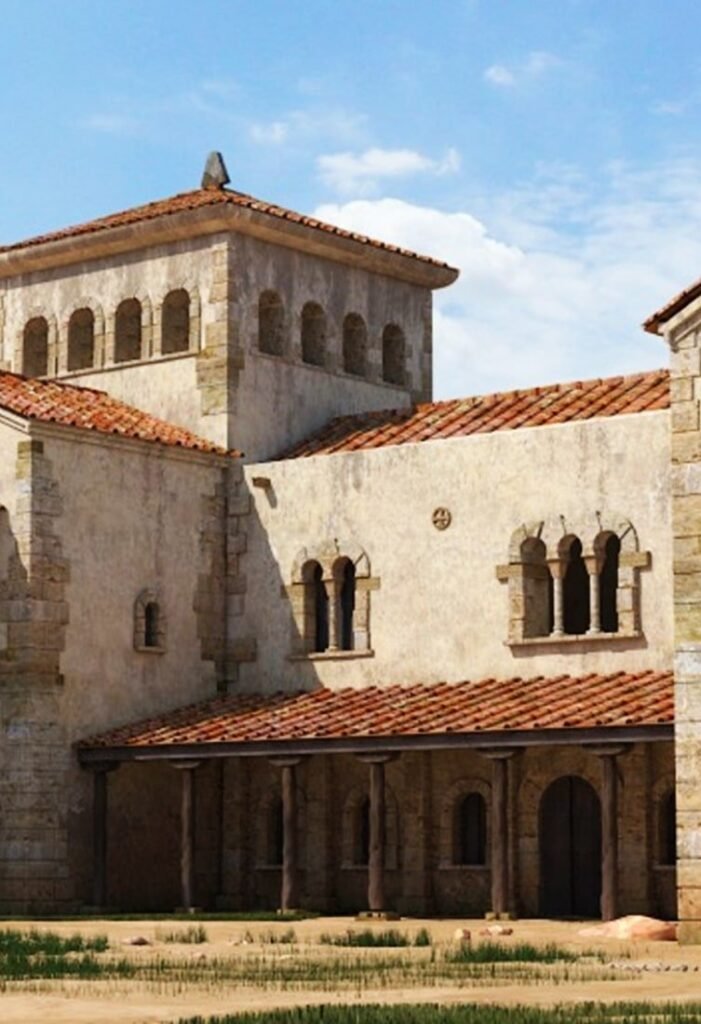
Pla de Nadal es un conjunto de edificios presidido por un complejo palatino excepcional que se construyó a 15 km. al oeste de Valentia.Su edificio principal responde al modelo de las villae con galería, torres angulares en los flancos, un espacio central abierto y la zona noble en el piso superior. Presenta una estructura compacta […]
Nicopolis ad Nestum

Nicopolis ad Nestum is a Roman town located in southwestern Bulgaria. The “Town of victory on the Nestos River” was founded in early 2nd c. by the Roman Emperor Trajan, in honour of his victory over the Dacians. Its position was strategic along the road connecting the Aegean coast with the main military road Via […]
Partikopolis
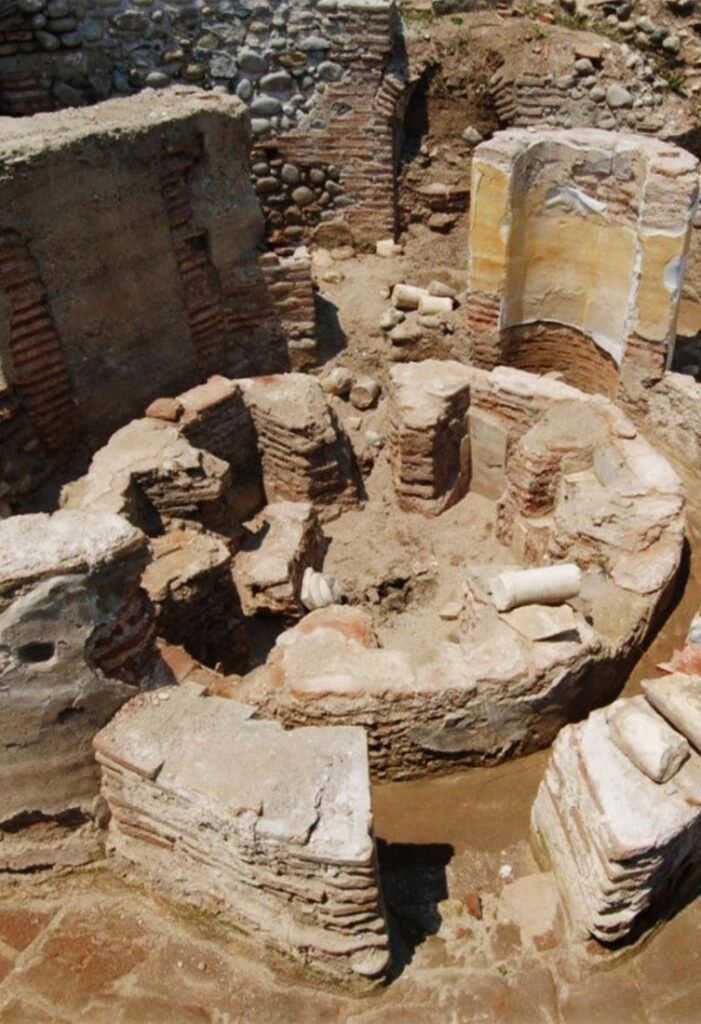
Located at the crossroads between the Middle East and Western Europe, Partikopolis (later Sveti Vrach, in honour of the holy inmercenaries Cosmas ans Damian, martyrs in Rome in 284) and the Middle Struma region lie about a hundred kilometers from the Aegean coast. They became the site of the special attention of Christ’s teaching and […]
Philippopolis
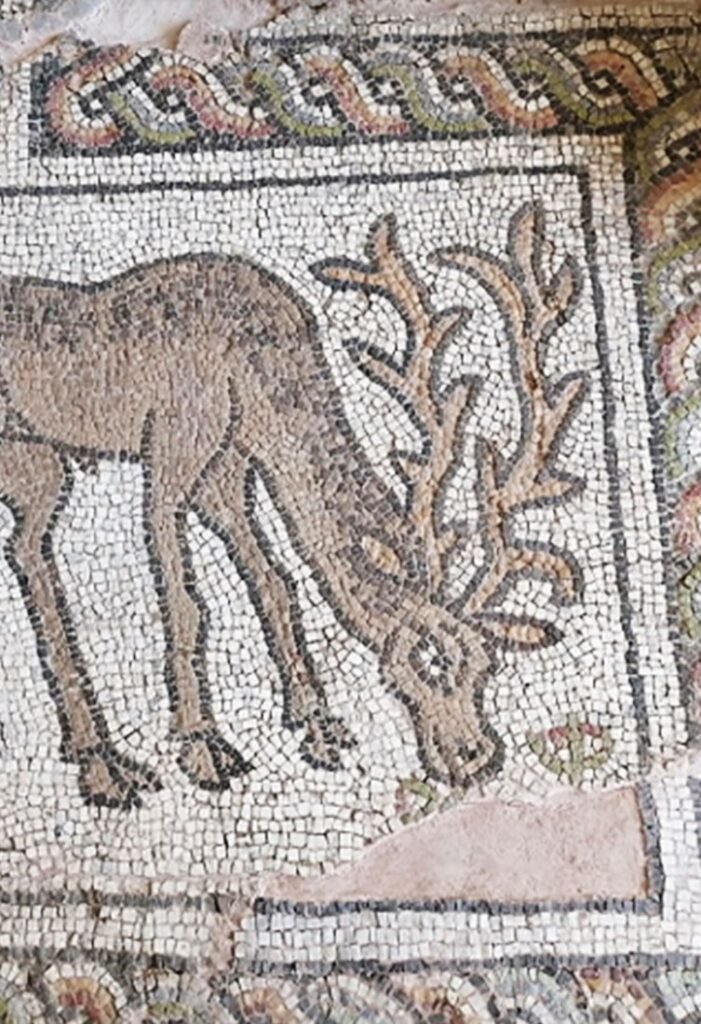
The history of Plovdiv began in the Neolithic – 6th millennium BC – to continue without interruption to this day. The town has had important religious, administrative and political functions throughout its existence. It is the main town of Thrace (or the southern Bulgaria of today) regardless of the historical periods and the administrative center […]
Diocletianopolis
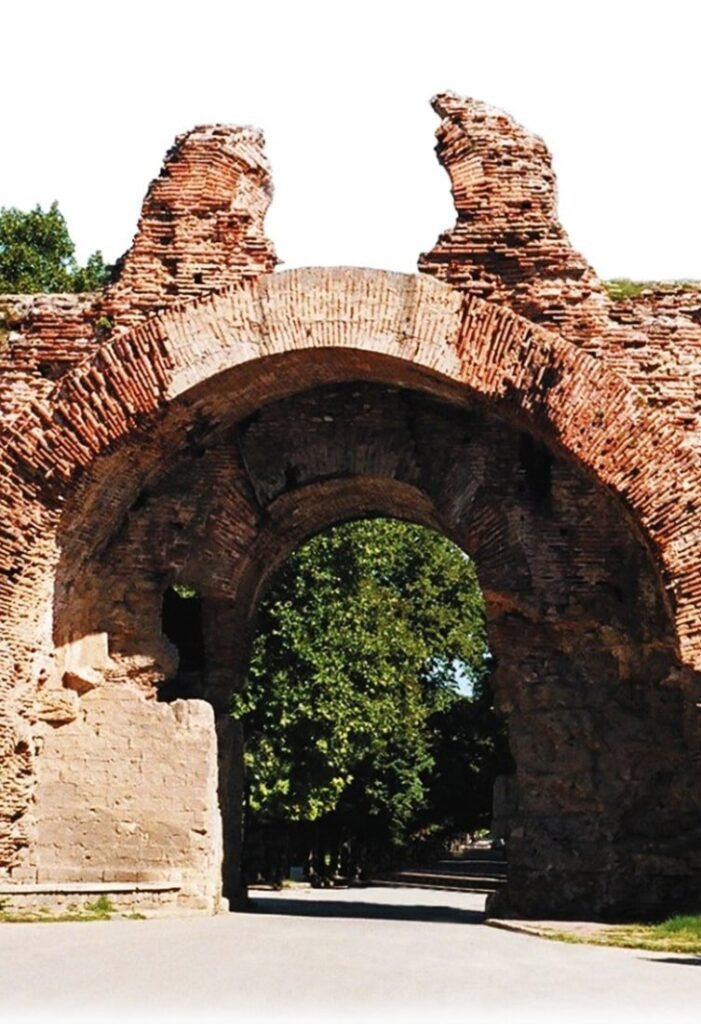
Hisarya is a small but very famous town in southern Bulgaria, 42 km north of Plovdiv. It is located on a sunny plain, a transition from the southern slopes of Sredna Gora to the Thracian Valley, at an altitude of 346 m above sea level. Its climate is transitional-continental, with mild winters. Its greatest wealth […]
Odessos
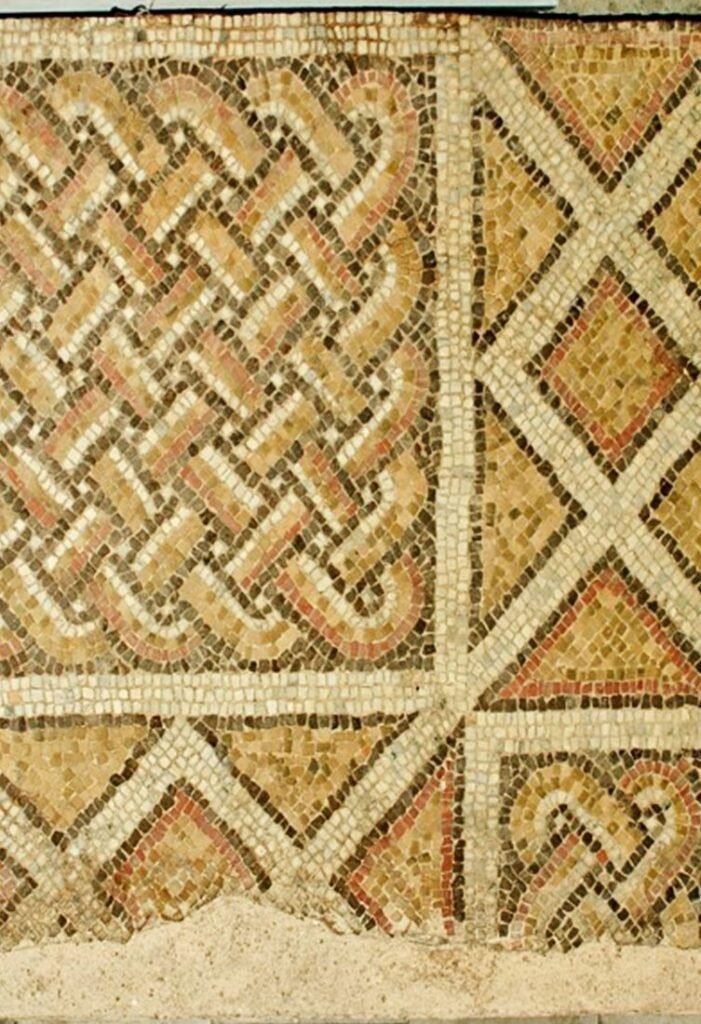
Odessos was established as an apoikia on the western coast of the Pontos Axeinos (the Black Sea). The founders of the polis arrived from Miletus as a result of the ancient Hellenic migratory activity. The town has been known under the same name from the second quarter of the 6th c. BC to the first […]
National Architectural and Archaeological Reserve Durostorum
For the protection of the Lower Danube territories against the continuous raids of the Barbarians from the North, after the victory over the Dacians in 106 AD, one of the most capable military units of the Roman Empire was stationed there by order of Emperor Trajan (97 – 117) – Legio XI Claudia. According to […]